Pokémon Mandates Facial Scans at Five Japan TCG Stores to Combat Scalping, Prompting Privacy Questions
Facial recognition aims to ensure fair access to Pokémon cards amid rising scalping concerns.
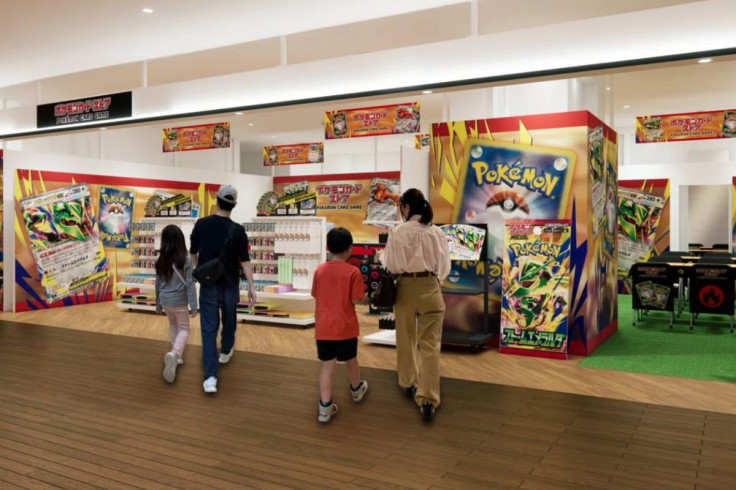
The Pokémon Company is bringing mandatory facial recognition to five official Pokémon Card Store locations in Japan, saying the system will help prevent scalpers from abusing entry queues and purchase limits.
The new rule will apply from 31 July through 16 August at five pop-up Pokémon Card Stores in Japan: AEON Mall Natori, Chofu PARCO, AEON Mall Higashiura, AEON Mall Hiroshima Fuchu and AEON Mall Chikushino. The stores are smaller, trading-card-focused outlets separate from full Pokémon Center locations.
🚨 BREAKING NEWS:
— ItsMeCooper (@ItsaMeCooper) July 26, 2026
Pokémon Stores in Japan to Roll Out Mandatory Facial Recognition to Block Resellers and Scalping
Pokémon Stores in Japan will begin requiring facial recognition for entry and queue-ticket collection starting with the next round of pop-up locations, a sharp… https://t.co/9uYTvcVoqA pic.twitter.com/UhqRcn2mgI
Anyone of elementary-school age or older must consent to facial recognition when entering the store or collecting a numbered queue ticket. Preschool children are exempt, but they must enter with a parent or guardian.
The system is intended to enforce a strict one-entry, one-ticket-per-person rule each day. If it detects that the same person has tried to enter again or collect a second ticket, staff will deny access. Temporary exits will also be monitored. Customers who leave without notifying staff may be blocked from re-entering that day.
Pokémon Says the Goal Is Fair Access
The Pokémon Company says the facial recognition system is intended to create a safer and fairer shopping environment while preventing unauthorised repeat entries and duplicate purchases.
The company says the measures are designed to discourage scalping and other attempts to bypass purchase restrictions. Pokémon cards remain in high demand, and limited-release products can sell out quickly when resellers purchase large quantities and list them online at higher prices. For many collectors and players, limited availability has made it more difficult to purchase products at retail prices.
The company says staff may also speak to groups of customers if they suspect people are working together to circumvent the rules. According to the policy, the facial recognition system will be used alongside staff monitoring to identify repeat entries and prevent duplicate queue tickets.
Privacy Concerns Follow Anti-Scalper Move
The new policy has already prompted privacy concerns online. According to the official notice, the stores will collect facial image data and visit counts from customers covered by the system. The Pokémon Company says the data will be managed securely and deleted after a set period in accordance with its privacy policy. However, some users on social media have questioned the use of biometric data for access to a retail store.
Others directed their criticism at resellers, arguing that years of botting, hoarding and queue abuse have contributed to companies introducing stricter anti-scalping measures.
One X user, @CocoaFox023, wrote: 'Scalpers have given corporations an excuse to start privatised mass surveillance.'
Imagine a company having to store your 8yr olds face because they wanted some cards
— instigator (@WWEOverMid) July 26, 2026
A Bigger Shift in Pokémon Retail
The facial recognition rollout follows another anti-scalping measure in Japan: Pokémon Center Online's move towards My Number-based account verification for selected purchases. That system links some online buying opportunities to government-issued identification, which the company says is intended to improve fairness for limited-product sales.
Together, the measures suggest The Pokémon Company is increasingly relying on identity verification to manage access to limited-edition products. Whether permanent Pokémon Center stores in Japan will adopt the same facial recognition system remains unclear. There has also been no confirmation that the policy will expand to overseas markets.
Pokémon Cards Are Now Big Business
The stakes are high because Pokémon cards are no longer just a childhood hobby. The global trading card game market was valued at approximately $14.12 billion in 2026, with The Pokémon Company remaining one of the industry's largest participants.
The Pokémon Company produced roughly 10 billion cards during the 2025 fiscal year, bringing lifetime production to more than 85 billion cards worldwide.
The introduction of facial recognition highlights how some retailers are adopting more advanced verification measures as demand for collectible products continues to grow. Whether similar systems become more common in the trading card industry will likely depend on how consumers respond and whether the measures prove effective at reducing scalping.
© Copyright IBTimes 2026. All rights reserved.
- Recommended For You