

Samsung Galaxy S26 Ultra Owners Demand Answers as Red Display Complaints Grow
Users report red tint on Galaxy S26 Ultra screens, raising concerns over Privacy Display technology.
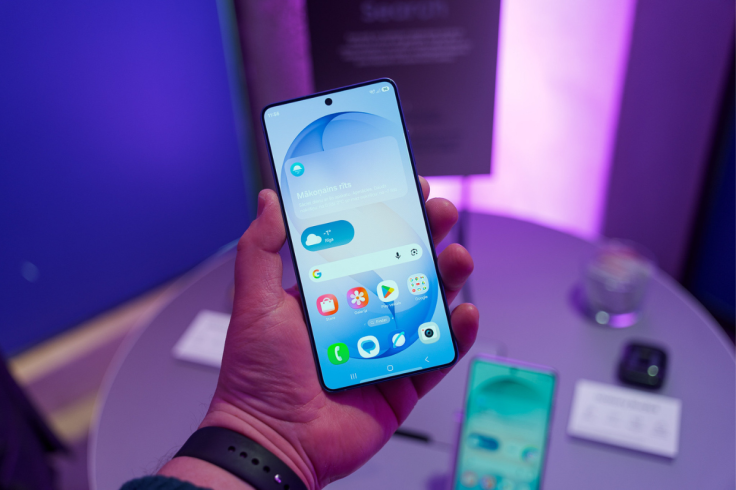
Samsung Galaxy S26 Ultra owners in South Korea and overseas are demanding answers after reports that their phone's display is developing a permanent red tint in the centre of the screen, just months after the flagship handset went on sale.
The Galaxy S26 Ultra, which launched earlier this year and is the only Samsung model to feature the company's new 'Privacy Display' technology, had initially drawn strong reviews.
According to reports, Samsung has launched an internal investigation into the red tint problem. A company official told the outlet, 'We are currently examining the matter internally to confirm the cause.'
In a separate statement, the company reiterated it is reviewing the issue but stopped short of naming Privacy Display or offering any remedies for customers.
Complaints Point To A Recurring Screen Issue
The first complaints surfaced on Korean forums and social media in recent weeks, before being picked up by local outlet Newsway and later highlighted by tech sites.
The posts describe a similar pattern, usually starting with a faint pinkish haze that gradually deepens into a red cast across the centre of the OLED panel. Many of the phones involved are only a few months old, which, if accurate, raises questions about the durability of Samsung's most advanced non-foldable flagship.
Screenshots shared by affected owners show everything from app menus to plain white backgrounds tinted in red, even after display settings are reset.
One user wrote that the middle of their screen 'looks like it has a permanent filter on it,' while another said photos and videos now appear 'washed in red' no matter what they do.
A poster on a Korean community site said they initially thought it was their eyes playing tricks on them, 'but the more I look, the more obvious it is, especially on grey backgrounds.' Some report noticing the tint after only light, everyday use rather than any obvious damage or overheating.
Has your Galaxy S26 Ultra developed a reddish tint in the center of the display?
— Ice Universe (@UniverseIce) July 14, 2026
This doesn't appear to be traditional screen burn-in. It seems more like a side effect of the new display technology. pic.twitter.com/GX6lvODatQ
Privacy Display Feature Under Question
The main suspect among users is the Galaxy S26 Ultra's headline feature, Privacy Display, a hardware-based system that darkens the screen for people viewing it from the side. It is unique to the Ultra variant, and so far the red tint issue also appears to be unique to that model, which has led to speculation that the two are connected.
Some users worry that the technology behind Privacy Display may be stressing or prematurely ageing specific pixels, causing them to 'burn in' and shift towards red over time.
One commenter summarised the mood bluntly: 'I paid extra for Privacy Display and now my screen looks cooked.' Others say they have disabled the feature in settings as a precaution, even though there is no official evidence yet linking it to the fault.
How Widespread Is The Galaxy S26 Ultra Screen Fault?
#Samsung is investigating reddish patches reported on some #GalaxyS26Ultra screens, with its unusual Privacy Display panel emerging as one possible explanation. https://t.co/3pUJWHAab5
— Digital Trends (@DigitalTrends) July 13, 2026
The Galaxy S26 Ultra review unit tested by Mashable reportedly has not developed the issue, suggesting that, if real, the problem might only affect a subset of devices or certain production batches.
There are no published figures yet on how many users are affected, and no recall or service programme has been announced.
That uncertainty is doing little to reassure owners who see the centre of their display turning red and expect a hardware fault. Some are already talking about pushing for free display or device replacements, arguing that a premium handset should not develop this kind of issue so early in its life.
Others are holding off visiting service centres until Samsung confirms whether the problem will be treated as a manufacturing defect.
For Samsung, the implications could go beyond a limited number of faulty panels. If Privacy Display is eventually found to be responsible, even partially, it could require the company to reconsider how, or whether, it rolls the feature out to future smartphones.
© Copyright IBTimes 2026. All rights reserved.