

Japan Eyes Regulating Pokémon Cards as $2.1B Market Fuels Counterfeiting and Money-Laundering Fears
The country's $2.1B domestic trading card boom is drawing scrutiny over fake cards, soaring prices and suspected money laundering.
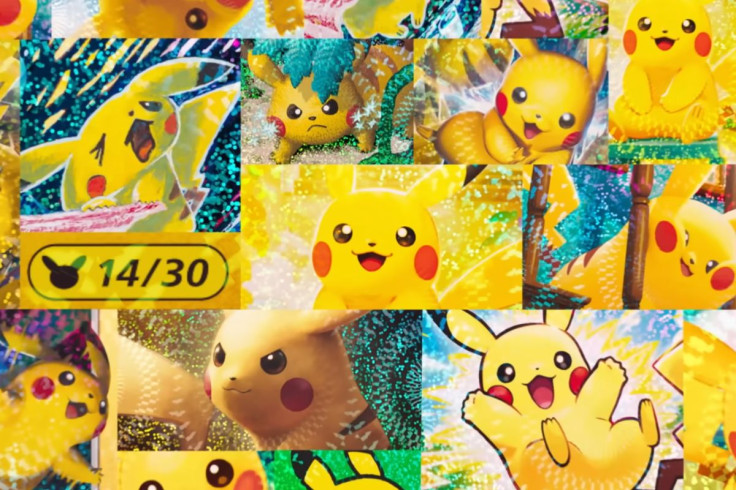
Japan is moving closer to regulating high-value Pokémon cards and other trading cards as a childhood hobby becomes a multibillion-dollar market shadowed by counterfeiting, scalping and money-laundering concerns.
A group within Japan's ruling Liberal Democratic Party has begun examining whether the booming trading card market needs clearer rules, according to reports. The move comes as Pokémon, Yu-Gi-Oh! and other collectable cards increasingly behave less like toys and more like financial assets.
'Trading cards are no longer simply consumer products,' the LDP group said in a statement. It warned that the rapid growth in card values had created problems that could no longer be ignored.
Japan's domestic trading card market grew by 90% in the four years to fiscal 2025, reaching ¥338 billion, or about $2.1 billion (£1.5 billion). That surge has transformed sealed boxes, rare cards and graded collectibles into speculative goods traded by investors as well as fans.
The global trading card industry is estimated to be worth roughly $13 billion to $15.8 billion (£11.85 billion), and Pokémon remains one of the most powerful brands in that wider market. More than 75 billion to 85 billion Pokémon cards have reportedly been printed worldwide, turning the franchise into a global collectibles giant as well as a gaming and entertainment brand.
Why Pokémon Cards Are Drawing Government Attention
The concern is not just that cards are expensive. It is that prices can move fast, ownership can be hard to trace and counterfeit items can circulate through shops, online marketplaces and private sales. Rare Pokémon cards now sit in the same conversation as watches, sneakers and art: portable, valuable goods that can be bought, stored and resold across borders.
In February, Logan Paul's PSA Gem Mint 10 Pikachu Illustrator card sold for $16,492,000 (£12.3 million), setting a Guinness World Record for the most expensive Pokémon trading card sold at auction. That kind of sale helps explain why Japanese lawmakers are paying attention. A single card can now carry the value of a luxury home, making authentication and transaction records more important than ever.
Counterfeits, Scalpers and Card Shop Theft
The boom has also attracted crime. In California, police have investigated a series of thefts targeting collectable card shops. In Colton, two hooded suspects broke into Into the Retroverse on 12 June and escaped with more than $16,000 worth of rare cards and merchandise, according to local reporting. A separate burglary in Corona saw thieves steal up to $20,000 in memorabilia, including Pokémon and sports cards, from a collectable card shop over the weekend.
Similar incidents have been reported outside the US. In Australia, a Moonee Ponds game store was hit twice, with thieves taking Pokémon and One Piece cards during the latest break-in. These cases show how trading cards have become attractive targets. Unlike bulky electronics, rare cards are small, easy to move and often valuable enough to justify organised theft.
Lawmakers Want Rules Without Killing the Market
Seiji Kihara, the LDP lawmaker chairing the new caucus, has said discussions should support Japan-originated intellectual property while avoiding overly strict regulation. He pointed to Japan's cryptocurrency sector, where heavy rules helped push parts of the industry overseas.
That balance will be difficult. Too little oversight could leave collectors exposed to fakes and manipulation. Too much could damage a market built on fandom, scarcity and fast-moving resale culture.
The caucus is expected to hear from manufacturers and industry participants before drafting policy recommendations on 'appropriate rule-making' and market promotion. For Japan, the question is no longer whether Pokémon cards are serious business. It is whether a market born from play can still operate without rules designed for money.
© Copyright IBTimes 2026. All rights reserved.