Trump Renews Call to Complete $1B White House Ballroom, Citing Nasire Best Shooting To Justify The Project
Debate reignites over Trump's $1bn White House ballroom project following recent security incident.
President Donald Trump has renewed his push for his controversial White House ballroom project, using a recent shooting involving 21-year-old Nasire Best as evidence that the presidential residence requires stronger security measures.
The renewed appeal has reignited fierce debate in Washington over public spending, historic preservation and the growing militarisation of the White House complex. The project requires about $1 billion (about £742 million) in taxpayers' funds to be completed.
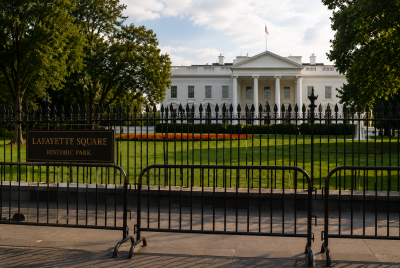
Trump argued that the proposed ballroom and underground security facilities would help protect future presidents after Best allegedly opened fire near a White House security checkpoint over the weekend before being shot dead by Secret Service officers. A bystander was also reportedly injured during the exchange.
Trump Cites Nasire Best Shooting
Speaking after the incident, Trump claimed the attack demonstrated why the administration's long-delayed expansion plans were urgently needed. The president has repeatedly described the ballroom project as both a 'beautiful addition' to the White House and a vital national security upgrade.
According to court filings from the US Justice Department, the administration is now seeking to lift legal restrictions that had partially halted construction on the project. Officials argued the Nasire Best shooting incident highlighted the need for 'top level, state of the art security' around the executive mansion.
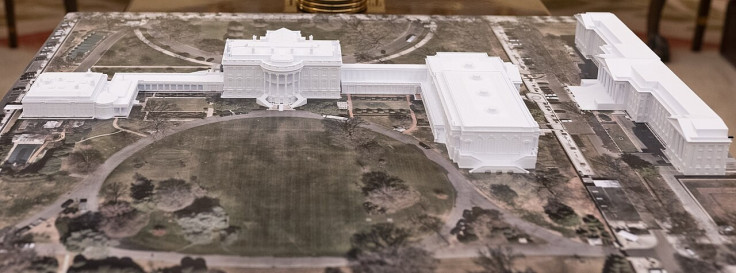
The development would reportedly include a large state ballroom, reinforced security infrastructure and a new underground military facility beneath the East Wing. Trump has insisted parts of the project would be privately financed, although congressional critics say taxpayers could ultimately shoulder much of the cost.
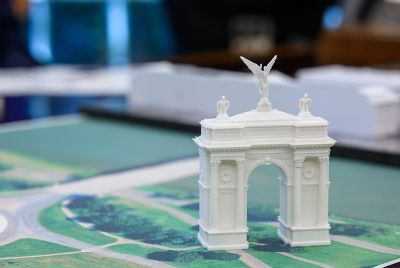
The proposed ballroom has become one of the most divisive construction projects in modern White House history. Plans involve demolishing parts of the existing East Wing and replacing them with a significantly larger structure featuring bulletproof glass, grand chandeliers and extensive security enhancements.
Legal Challenges Continue
The project has faced months of legal battles from preservation groups, particularly the National Trust for Historic Preservation, which argues the administration bypassed proper congressional approval and environmental review requirements.
Earlier this year, US District Judge Richard Leon temporarily blocked above-ground construction work while legal challenges proceeded. Although appeals courts later allowed some work to resume, the future of the project remains uncertain.
Critics have accused Trump of exploiting security fears to push through what opponents describe as an extravagant vanity project. Polling cited in recent reports suggests a majority of Americans oppose demolishing parts of the White House grounds to make way for the ballroom.
Democratic lawmakers have also questioned whether federal money should be directed towards the expansion at a time when broader government spending remains under scrutiny.
Republicans Rally Behind Proposal
Despite the criticism, many Republican figures have rallied behind Trump's renewed campaign. Several lawmakers have proposed legislation that would speed up construction or provide additional federal funding following recent security incidents around the White House.
Supporters argue the White House has become increasingly vulnerable after multiple security scares in recent years, including the recent checkpoint shooting and an earlier incident linked to the White House Correspondents' Dinner. Trump has repeatedly claimed existing venues used for official events are no longer secure enough for modern threats.
Construction is currently expected to continue through 2028 if the administration succeeds in overcoming its legal and political obstacles.
© Copyright IBTimes 2026. All rights reserved.
- Recommended For You