Royal Biographer Reveals the Secret to Kate Middleton and Prince William's Marriage Is Being 'In Tandem'
Royal watchers say the 'in tandem' approach has become a defining feature of the Waleses' public image
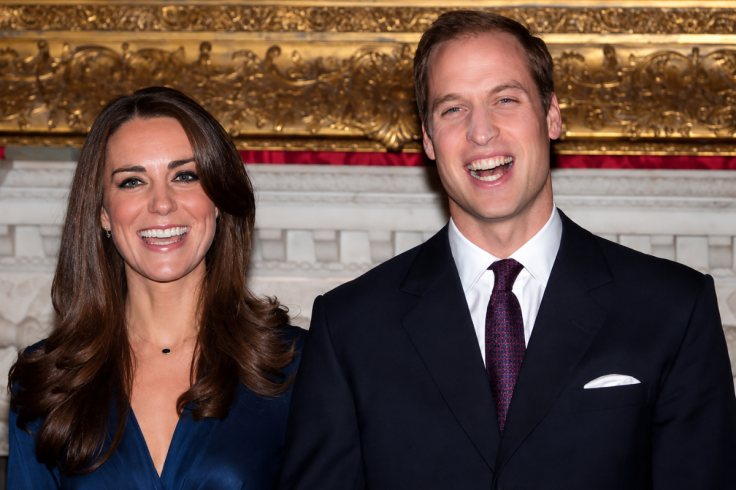
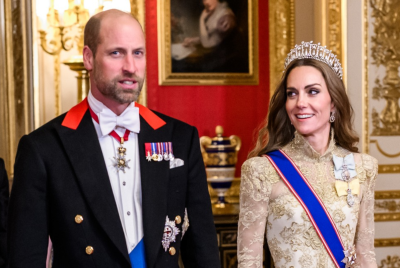
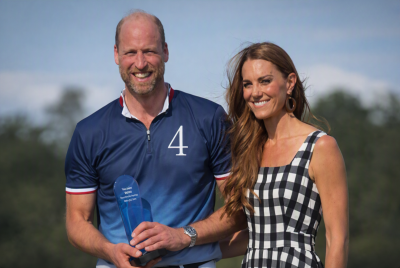
The secret to the enduring marriage of the Prince and Princess of Wales lies in their ability to operate 'in tandem' across both their public duties and private family life, according to royal biographer Russell Myers.
Myers, author of William and Catherine: The Monarchy's New Era: The Inside Story, said the couple's partnership is built not on romance or spectacle but on mutual support as working royals and parents to their three children.
'The secret to the Prince and Princess of Wales' marriage is support for one another throughout their roles as working royals and as parents to their three young children,' Myers told the Mirror.
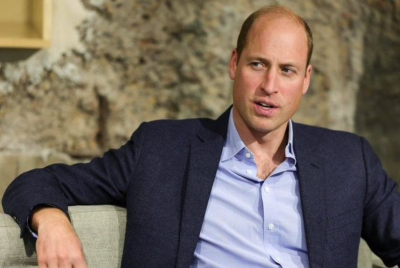
'Everything they do is in tandem, and this includes Catherine being the catalyst for William launching the Earthshot Prize when he doubted it could become the global success it has.'
How Kate Helped Shape Earthshot
Earthshot, launched in 2020, is one of the Prince of Wales's flagship projects. Billed as a ten-year mission to 'repair and regenerate the planet', it offers major prizes to innovators working on climate and conservation solutions, and has drawn high-profile collaborators including Gisele Bündchen and Cate Blanchett.
According to Myers, it was the Princess of Wales who encouraged her husband to pursue the project at a moment when he was uncertain it could achieve such scale, reflecting a partnership based on private encouragement rather than public displays of unity.
BBC royal correspondent Jennie Bond has offered a similar assessment, suggesting the couple's shared environmental focus stems from genuine conviction rather than assigned duty.
'They are completely aligned in their love of nature and their belief in the climate crisis facing the world,' she said, adding that concern for the natural world is 'just as key to Catherine as they are to William'.
From Early Break-up to Long-Term Team
The couple's current image of unity follows a more unsettled early history. William and Kate met at the University of St Andrews in the early 2000s, where they lived in the same halls of residence before later sharing a flat. Once their relationship became public, they faced intense press scrutiny, from photographers following them on ski trips to speculation over their future together.
They split in 2007, with friends at the time citing the pressures of media attention and William's military commitments.
Reflecting on the split during their 2010 engagement interview, William said the couple had been 'very young' and were still 'finding ourselves' as 'different characters'.
They reconciled within months, became engaged three years later and married at Westminster Abbey in 2011 in a ceremony watched by millions worldwide.
The couple went on to have three children: Prince George, born in 2013, Princess Charlotte in 2015, and Prince Louis in 2018.
Fifteen Years on and Still 'In Tandem'
This year marked the couple's 15th wedding anniversary, a milestone that has renewed public interest in the dynamics behind their relationship, particularly as other royal marriages have faced public difficulties.
While Myers's account offers one interpretation of the couple's success, drawn from years of observing them professionally, it aligns with public appearances that consistently show the pair operating side by side, whether at climate summits, state dinners or school runs.
Royal watchers say the 'in tandem' approach has become a defining feature of the Waleses' public image, distinguishing their partnership from the more hierarchical dynamics traditionally associated with royal marriages and highlighting their position as the monarchy's most visible working partnership.
© Copyright IBTimes 2026. All rights reserved.
- Recommended For You