

'He Needs Money and Brand': Royal Biographer Accuses Prince Harry of Sucking Up to King Charles
A fragile royal truce is colliding with hard questions about money, brand and the limits of family forgiveness.


Prince Harry has been accused of 'sucking up to King Charles' for money and exposure, as royal biographer Robert Jobson warned this week that the King should be wary of his younger son's renewed efforts at reconciliation following a rare family meeting in London.
Prince Harry, Meghan Markle and their children travelled to the UK last month for a private gathering with King Charles and Queen Camilla, the first time in years the monarch had seen his grandchildren Archie and Lilibet. The meeting, held in London and reportedly arranged at short notice, has been widely framed as a breakthrough in the long‑running rift between the Sussexes and the rest of the Royal Family.
Harry spent much of his week‑long visit in Britain alone, citing security concerns, before Meghan and the children joined him later for the family get‑together. It was a carefully watched return for the couple, who stepped down as senior working royals in 2020 and have since built a new life, and brand, in California.
Royal Biographer Questions Harry's Motives With King Charles
The latest row over Prince Harry's intentions exploded after comments from Robert Jobson, a long‑established royal biographer, on The Royalist podcast. Jobson argued that King Charles had been emotionally swayed by his illness and his desire to reconnect with his grandchildren.
'I think he's impacted by the fact that he's living with cancer, without doubt. And that the emotion is there to see his grandchildren,' Jobson said, referring to Charles's cancer diagnosis in 2024. The Palace announced the diagnosis at the time and said the King would step back from some public duties while undergoing treatment.

Jobson then went much further, saying the developing relationship between father and son had become a 'dangerous situation.' In his words, 'I think at this moment, I think that the king has got to wise up. Now, because he needs money, and because he needs brand and because he needs exposure, he's sucking up to his father again.'
It is a blunt charge, even in the crowded world of royal commentary. The suggestion is that Harry's renewed warmth toward his father is less about healing emotional wounds and more about shoring up his own finances and public profile as the glow from his post‑royal deals fades.
Harry and Meghan have previously signed high‑profile media and publishing agreements since leaving royal duties, but none of that, Jobson implies, removes the need to stay close to the royal brand that underpins their global appeal.
Public Mood and Pressure on the Monarch
Jobson's critique does not stop with Prince Harry. He also places responsibility squarely on King Charles to balance personal feeling with constitutional duty.
'His father has to realise he's not just Pa, he's not just grandpa, he is the King,' Jobson said on the podcast. 'And he is there as a guardian and also a steward to the crown for his other son, Prince William, who is the heir to the throne.'
That line taps into a deeper question that has stalked Charles's reign from the start, namely whether he can truly separate the demands of the Crown from his instincts as a father. The monarch's sympathy for Harry, especially while going through cancer treatment, is easy enough to understand. The optics of gradually re‑embracing a son who has publicly criticised 'the Firm' in interviews and in his memoir are far more complicated.
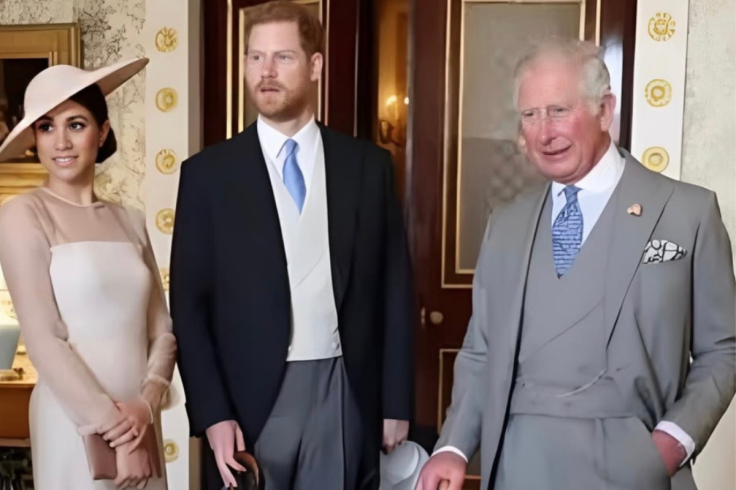
Jobson claims that a 'slow creep of allowing Harry back into the fold is not what the public in this country wants,' and further alleges that many people believe 'Harry has trashed the monarchy... cashed in on the monarchy.' He does not cite polling to support that view, but it chimes with a steady drumbeat of criticism from some commentators who argue that the Sussexes have monetised their royal status while attacking the institution that gave it to them.
There has been no public response from Buckingham Palace to Jobson's remarks. The Palace has consistently refused to be drawn into detailed comment on Harry and Meghan's accusations or on private family meetings, insisting that such matters remain personal.
Security Fights, Flying Visits and the King's Terms
Jobson's warning comes against a backdrop of ongoing practical disputes between Harry and the British state, most notably his legal battle over police protection when visiting the UK. The recent London visit, according to previous reporting by royal correspondents, included Harry's efforts to secure what he views as adequate security for his family on British soil.
Other royal commentators have suggested that Charles agreed to meet Harry at relatively short notice during that trip, a move presented as an exception rather than a template for future visits. The implication from those briefings is that any further family gatherings will have to happen on the King's terms, not Harry's, and not simply folded into his legal and media agenda.
Harry has nonetheless made clear that he wants to see more of his father. In recent public remarks, he has spoken about visiting Charles more often, particularly in light of the King's health. Supporters of the Duke say that, whatever his past criticisms, he has a right to rebuild ties and allow his children a relationship with their grandfather.
Critics, including Jobson, hear something more transactional in that ambition. When they talk about money, brand and exposure, what they are really pointing to is a simple truth, that the Sussex story sells, but only so long as it remains plugged into the House of Windsor.
Nothing in that equation is new, of course. What is new is a monarch with cancer, a son trying to re‑enter the room he once stormed out of, and a British public still deciding how much of this family drama it is prepared to bankroll or forgive.
© Copyright IBTimes 2026. All rights reserved.