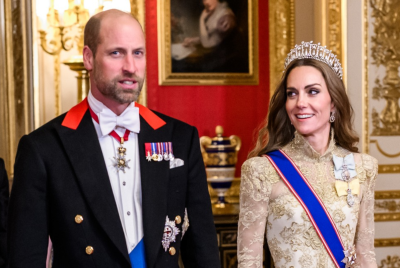
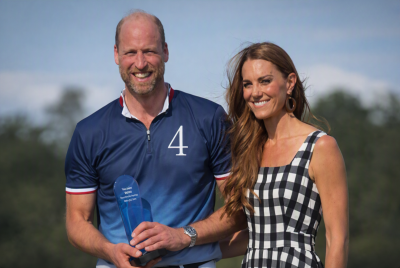
Prince William Allegedly 'Seething' After King Charles Demanded Kate Change Her Name to Katherine
A single letter in Kate Middleton's name became a battle line in the royal family's long war over image and identity.

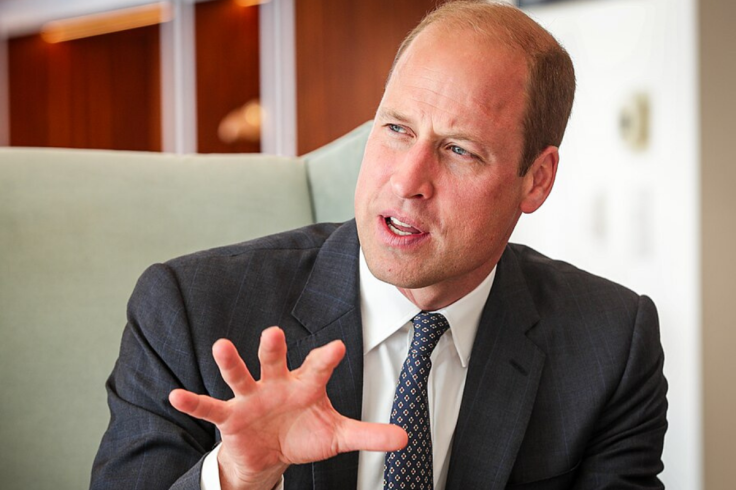
Prince William was reportedly left deeply unhappy after an alleged suggestion that Kate Middleton change the spelling of her first name before becoming a senior member of the Royal Family, according to a royal biography that has resurfaced online.
The claim appears in Kate! The Courage, Grace, and Power of the Woman Who Will Be Queen by royal author Christopher Andersen, who writes that the proposal was made during the early years of Kate's relationship with William, when King Charles III and Queen Camilla were still the Prince of Wales and Duchess of Cornwall.
According to Andersen, Charles and Camilla believed changing the spelling of Catherine to Katherine would help distinguish the future Princess of Wales within the Royal Family. The author claims they considered it a practical branding decision because several prominent royals already had names beginning with the letter 'C'.
Neither Buckingham Palace nor Kensington Palace has commented on the account, and the claims contained in the biography have not been independently verified.
Prince William and King Charles Clash Over Kate Middleton Name Change
According to Andersen's book, William rejected the suggestion almost immediately.
The author cites unnamed sources who claim the Prince of Wales viewed the idea as an unnecessary attempt to interfere with a deeply personal aspect of Kate's identity. One source quoted in the biography alleges William believed changing the spelling of his future wife's name purely for public relations purposes would have been inappropriate.
The book also claims William regarded the proposal as disrespectful to Kate and to her parents, Carole and Michael Middleton, who had chosen her name at birth.
According to Andersen, William's response effectively ended any discussion about altering the spelling, and Kate continued to use her given name, Catherine, while remaining widely known to the public by the nickname 'Kate'.
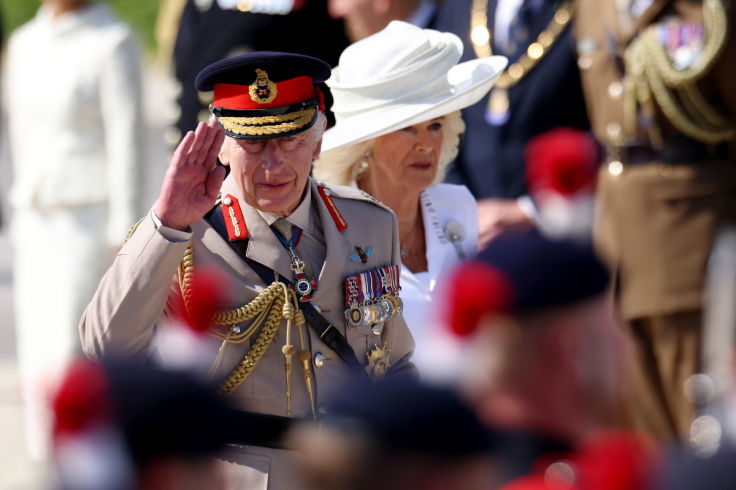
Andersen says the pair saw the proposed change as a 'logical progression,' particularly as the public and press had already settled on calling the future Princess of Wales simply 'Kate.' It was, in their eyes, a housekeeping detail, the sort of tidy-up the monarchy has been doing for generations.
Prince William, however, is said to have taken one look at the idea and shut down.
A source quoted in the book claims William viewed the proposal as 'disrespectful' and unnecessary, saying that, in his mind, altering his wife's name purely to create a pleasing set of royal initials was 'completely unacceptable.' He was, the source says, 'genuinely angry that anyone thought it appropriate to try to rebrand something as fundamental as her own name.'
Another insider cited by Andersen adds that William did not regard the tweak as a trivial detail, but as a point of principle. He has long been described as 'fiercely protective' of Kate and particularly respectful towards her parents.
In private, the Prince of Wales was reportedly 'unequivocal.' He made it clear there would be no change to his wife's name, and, according to the book, the clarity and firmness of his response ended the conversation abruptly. From the Waleses' perspective, one source says, asking Catherine to reshape her identity to fit a tidy set of initials 'was a step too far.'
No official record of the alleged conversation has been released, and the account relies on anonymous sources interviewed by the author.
Why the Kate Middleton Name Row Cut So Deep
The biography also claims Kate was personally affected by the reported proposal.
A royal insider said the suggestion was 'deeply upsetting' for the Princess of Wales, precisely because her name was chosen for her at birth by her parents and had shaped how she was known for her entire life. 'For Catherine, it felt like they were reaching into something incredibly personal, the name her parents chose for her and the way she has been known her entire life,' the insider said.
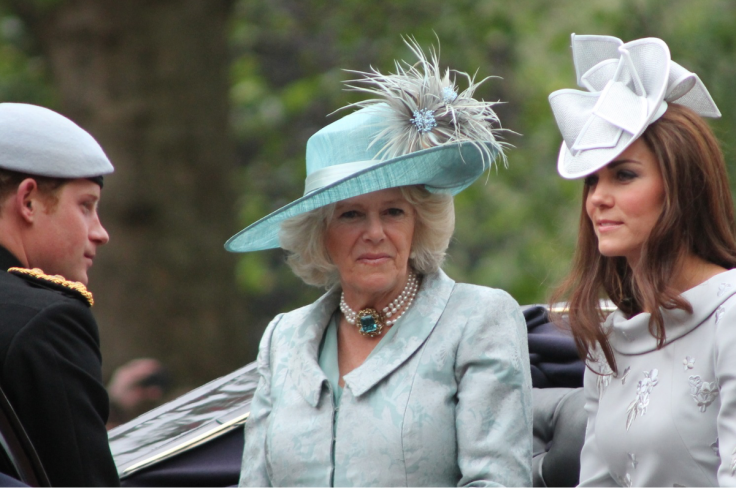
The demand stuck with her, the source claimed, because it was both 'strange' and 'quite intrusive,' particularly as the public already recognised her as 'Kate.' In other words, there was no obvious practical benefit, just a sense that the palace machine was trying to rewrite one more detail of who she was before she married into the Windsors.
According to unnamed sources cited by Andersen, she viewed the spelling of her name as something closely connected to her family and upbringing.
None of the parties involved has publicly commented on Andersen's account, and Kensington Palace and Buckingham Palace traditionally decline to respond to such biographical claims. Neither the Princess of Wales nor Prince William has also publicly commented on Andersen's account.
Royal Biographies Often Contain Unverified Accounts
The Royal Household rarely responds to claims made in biographies, particularly those based on unnamed sources.
As a result, many accounts of private conversations involving members of the Royal Family remain impossible to independently confirm.
Royal biographies have long offered differing versions of events behind palace walls, with authors frequently relying on interviews with current or former staff, friends or other unnamed sources. While such books often generate headlines, they do not represent official accounts of royal events.
In this case, Andersen presents the alleged disagreement as an example of William's determination to protect Kate's personal identity as she prepared to take on royal duties.
Although the biography was first published several years ago, the claims have recently attracted renewed attention online, with social media users revisiting the reported disagreement following increased public interest in the Prince and Princess of Wales.
Modern royal watchers have often noted how determined William and Kate are to protect pockets of normality within their life, from school runs to first names.
The story has prompted debate over whether members of the Royal Family are ever encouraged to make subtle changes to their public image after marrying into the monarchy.
However, there is no public evidence that any formal request was ever made, nor have Charles, Camilla, William or Catherine addressed Andersen's version of events.
Without confirmation from those directly involved, the alleged disagreement remains an unverified account contained in a royal biography. While it offers an insight into how one author interprets the family's private dynamics, it should not be treated as an established historical fact.
© Copyright IBTimes 2026. All rights reserved.
- Recommended For You