Ditch Your E-Reader? Major Study Reveals Kindle Users Fail to Remember Plot Timelines in Stories
Research shows that reading printed books improves memory retention and comprehension compared to digital devices like Kindles.
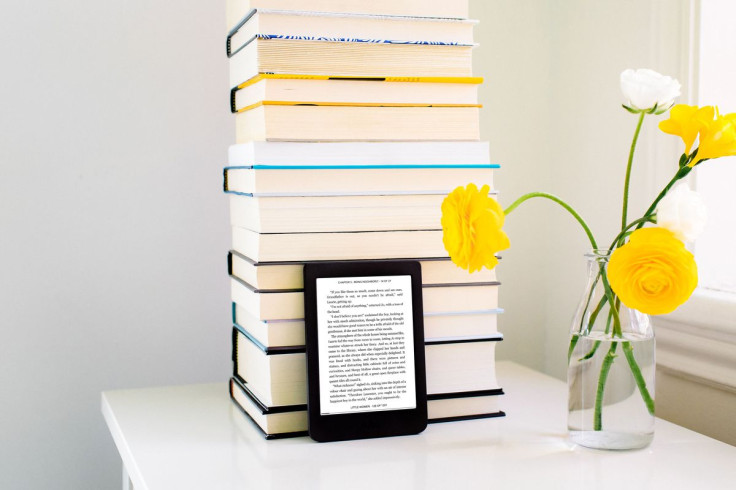
A Europe-wide research study looked at the impact of digitisation on the reading experience and found that readers using a Kindle were significantly worse at recalling events in a mystery story than paperback readers.
The study had 50 readers read the same short story by Elizabeth George. Half of the study read the 28-page story on a Kindle, and the other half read a paperback copy. Readers were then tested on different parts of the story, including objects, characters, and settings.
'The Kindle readers performed significantly worse on the plot reconstruction measure, i.e, when they were asked to place 14 events in the correct order,' reported by the lead researcher of the study.
Tactile Feedback Needed, Research Finds
Researchers suggest that the 'tactile feedback of a Kindle does not provide the same support for mental reconstruction of a story as a print pocket book does.' A research study by Elizabeth George found that students preferred to read textbooks on paper, rather than on iPads.
A study gave 72 Norwegian 10th graders texts to read in print or a PDF version on a computer screen. The research found that 'students who read texts in print scored significantly better on reading comprehension tests than students who read the texts digitally.'
Research and evidence-based knowledge are needed to understand if different devices, such as an iPad or a Kindle, make a difference to understanding and comprehension compared to print media.
One expert theorises that the difference between a page-turner and a light read could depend on which reading platform is used. A light read could be excellent to read digitally, while a 500-page, complex novel would be a challenging read that would require more focus throughout the book.
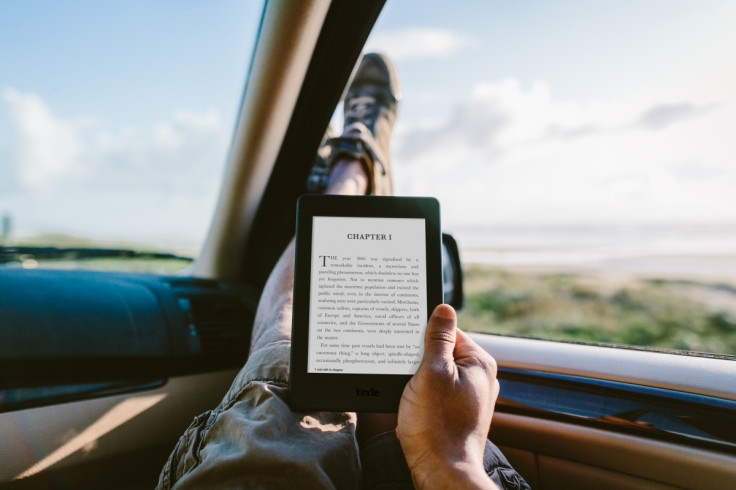
Why Does a Physical Book Work Better for Recalling Information
Researchers can't explain why people did better when reading from a paperback book than from a reading device, but it could be because we read printed material more slowly.
Another study revealed that people think they are better at comprehending information when they read it on a digital screen. This resulted in those readers reading the text much faster than those reading the text in paper format,' reports Michael Grothaus.
A reason printed material is absorbed better could be that we read printed material more slowly. Another study revealed that people think they are better at comprehending information when they read it on a digital screen. This resulted in those readers reading the text much faster than those reading the text in paper format.
There is a point of convenience to ordering e-books and carrying around a small library without straining your back by carrying three to four books at a time, but there is a price to pay for this convenience. You don't retain as much information by reading digitally as a paper-backed book.

How Memory Prefers Printed Pages
But that's not the only advantage of buying an actual paper book. According to Norwegian research written by Fast Company's Michael Grothaus, reading a physical book can help you remember more of what you read, especially when it comes to the chronology of events in a text.
The satisfaction from turning the page allows the brain to feel accomplished when finishing a book that a digital book wouldn't provide.
Research proves that reading a paper-copy book is better for comprehension than reading off digital devices, such as a Kindle.
© Copyright IBTimes 2026. All rights reserved.
- Recommended For You