

New Law Could Force AI Chatbots To Admit They're Not Human and Cannot Pretend To Be Licensed Experts
H.R. 7757 seeks to ensure AI chatbots disclose their non-human nature and avoid false professional claims.
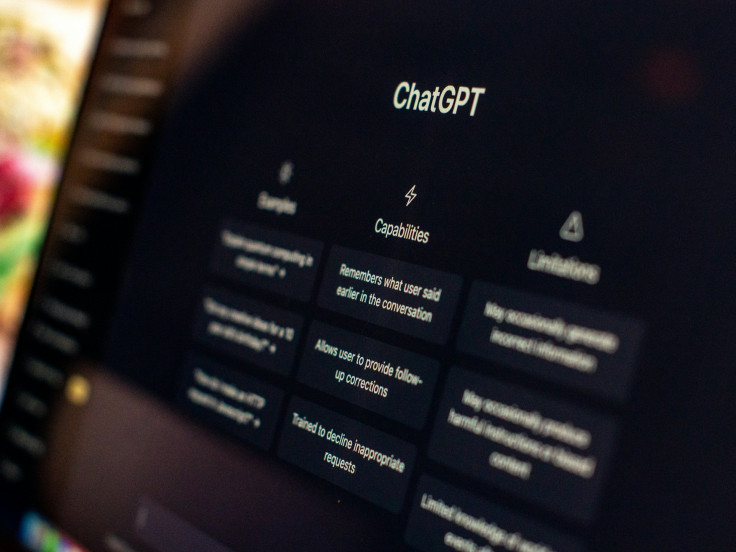
A proposed US law could force AI chatbots to clearly tell users they are machines, not people, and stop them from falsely claiming to be licensed professionals. The bill, H.R. 7757, would require chatbot providers to add clear disclosures, provide crisis support information in certain situations, and prevent AI systems from telling users they are doctors, lawyers, or other licensed experts unless that claim is actually true.
The proposal comes as AI chatbots become increasingly common in everyday life, with people using them for advice, information, and personal conversations. Supporters of the bill argue that users, especially younger people, should not be left confused about whether they are interacting with a real person or an artificial intelligence system.
AI Chatbots Would Have To Say They Are Artificial Intelligence
Under the proposed law, chatbot companies would have to clearly inform users that the chatbot is an AI system and not a human being.
A new bill package in the House that’s up for a vote soon would mandate the inclusion of design elements for chatbots, require disclosures, and prohibit them from claiming to be licensed professionals, even in fictional scenarios. pic.twitter.com/T632hwRA1D
— John Coleman (@FreeSpeech_AI) June 22, 2026
The disclosure would need to appear at the beginning of a user's first conversation with the chatbot. It would also have to appear again if a user directly asks whether the chatbot is artificial intelligence.
The bill states that these notices must be written in plain language and in a way that minors can understand.
The legislation also includes specific requirements for conversations involving mental health crises. If a user mentions suicide or suicidal thoughts, chatbot providers would be required to provide information about crisis intervention resources.
The aim is to make sure users understand the limits of AI systems during sensitive conversations, where a human response or professional help may be needed.
AI Chatbots Could Be Banned From Claiming To Be Experts
Another key part of H.R. 7757 would prevent chatbot providers from allowing their systems to claim they are licensed professionals unless that statement is true.
In simple terms, an AI chatbot could not tell someone, 'I am a licensed doctor' or 'I am a qualified lawyer' if it is not actually a human professional with those credentials.
The bill does not ban AI tools from providing information about medical, legal or other professional topics. Instead, it focuses on stopping systems from pretending to have qualifications they do not possess.
Lawmakers behind the proposal argue that the difference matters because users may treat a chatbot's confident answers as professional advice, even when the system has no licence, legal responsibility, or real-world experience.
New Rules Focus On Trust Between Humans And AI
The proposed law also directs chatbot providers to create policies and procedures designed to protect users. One requirement mentioned in the bill involves encouraging users to take breaks from chatbot interactions in certain situations.
The legislation is particularly focused on protecting minors and preventing situations where users could become overly dependent on AI systems.
However, the proposal does not attempt to remove AI chatbots from public use. Instead, it sets rules around transparency, requiring companies to be more open about what their technology is and what it cannot do.
As chatbots become more realistic and conversational, the law ensures people know when they are speaking with software rather than another person.
For now, H.R. 7757 remains a proposal and would still need to pass the legislative process before becoming law. If approved, it could introduce some of the clearest requirements yet for how AI chatbots identify themselves and communicate with users.
© Copyright IBTimes 2026. All rights reserved.