

'One-in-a-Million' Yellow Fish Caught in New York Has Cancer and Multiple Skin Lesions
The fish's unusual xanthochromism drew attention during a wildlife survey
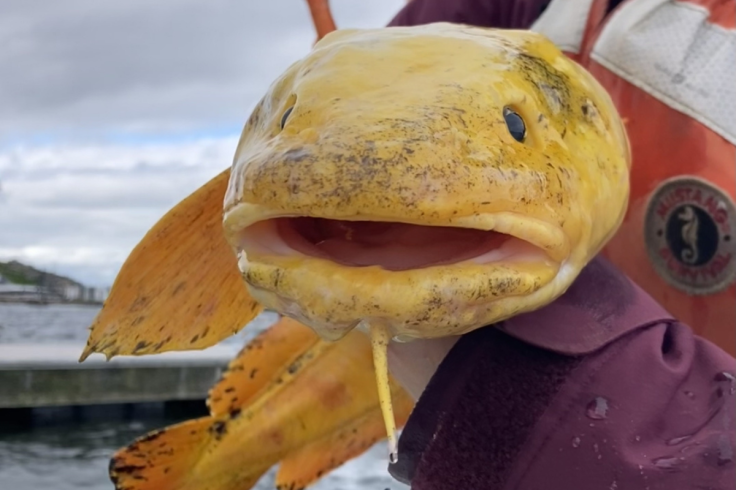
A fish caught during a routine wildlife survey in New York has turned out to be an extraordinary discovery for reasons extending well beyond its striking appearance. The bright yellow burbot, described by the US Fish and Wildlife Service (FWS) as a 'one-in-a-million' find, was later found to have cancer, multiple skin lesions and a parasite infection.
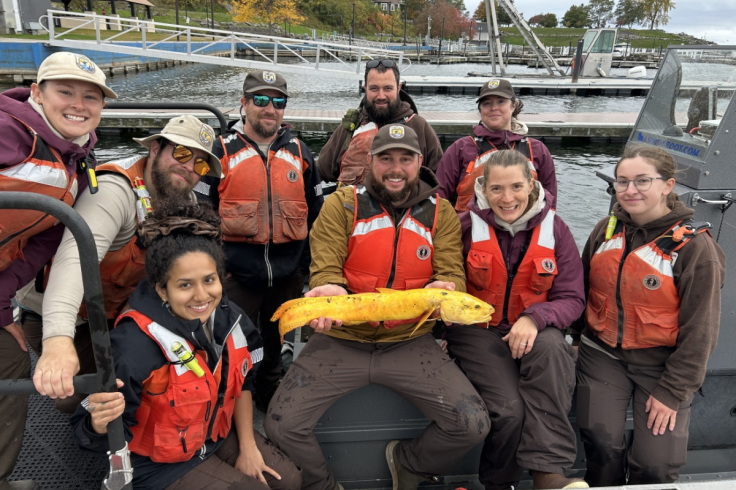
The fish was captured in October by members of the FWS Aquatic Invasive Species survey team in Oswego Harbor, on the south-eastern shore of Lake Ontario. Its unusually vivid colouring immediately stood out, with the agency saying it could 'make even the brightest fall foliage look pale in comparison'.
Burbots (Lota lota) are freshwater members of the cod family. They generally have dark olive or brown backs and sides with mottled markings, alongside a white or pale-yellow belly. The New York specimen, however, displayed an exceptionally bright yellow-orange appearance caused by a rare condition known as xanthochromism.
Cornell Examination Reveals Cancer and Multiple Lesions
The unusual pigmentation was not the only reason the fish attracted attention. US Geological Survey fisheries biologists noticed it was emaciated and appeared to be in poor health while the team was processing the catch.
It was subsequently sent to Cornell University College of Veterinary Medicine for further examination. In an update published on 17 November, the FWS said a post-mortem examination, known as a necropsy, found that the fish had not been feeding properly and was in 'overall poor body condition'. It also had 'multiple skin lesions'.
Further histopathological testing identified carcinoma, a form of cancer that develops in epithelial cells, which line the surfaces of organs and the body. Researchers also detected a mild parasitic infection in the fish's kidneys.
The findings have raised questions about the animal's overall health, although officials have not established whether its cancer, skin lesions and unusual pigmentation were connected. Xanthochromism is associated with a genetic change affecting normal pigmentation; the diagnosis does not, by itself, indicate that a fish has cancer.
The FWS hopes the examination will provide useful information about the species' health and help scientists investigate why burbot numbers in the Lake Ontario population remain low.
Unusual Colouring and Other Rare Fish Discoveries
Xanthochromism occurs when changes in pigmentation produce an unusually yellow or orange appearance. The FWS said the condition is considerably less common in wild fish than albinism or melanism, making the discovery particularly unusual. The fish's colour should not be confused with albinism, which involves a lack of melanin.
The location also made the catch noteworthy. Burbots generally favour deeper, colder water, and the FWS described this as the first documented detection of the species during a fisheries survey in Oswego Harbor, although anglers had previously reported catching them there.
Other unusual fish discoveries have involved similar pigmentation anomalies. In 2024, an orange nurse shark with unusually pale eyes was documented off Costa Rica, with researchers identifying a combination of xanthochromism and albinism.
It was an exceptionally rare example, but not an identical case: it involved a different species and did not establish the same combination of cancer and skin lesions found in the New York burbot.
The latest discovery could therefore prove valuable beyond its rarity. Scientists may be able to use the findings to investigate health concerns affecting burbot populations across the Great Lakes basin.
© Copyright IBTimes 2026. All rights reserved.