

Royal Navy Faces Security Questions After £12M Drones Sent Data to China
Investigation probes China data link on Navy drones
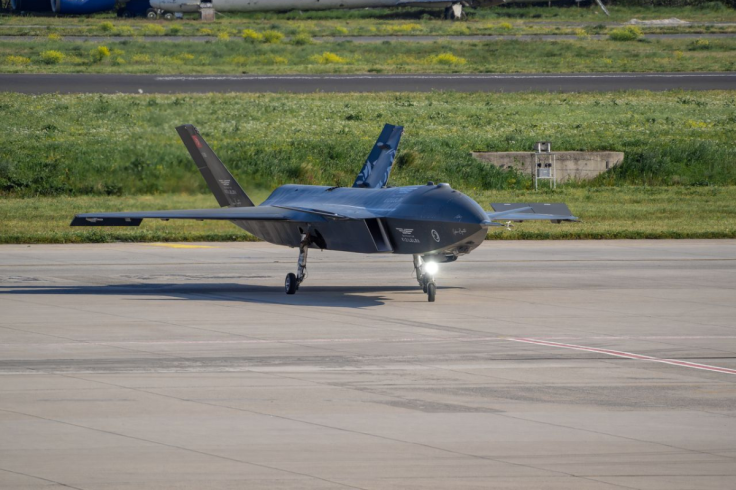
The Royal Navy is facing fresh security scrutiny after it emerged that components installed on a fleet of £12.3 million unmanned vessels were transmitting data to an internet address in China, prompting an investigation by the Ministry of Defence.
The issue was discovered on cameras fitted to K3 Scout uncrewed surface vessels, which form part of the Royal Navy's Project Beehive programme. The vessels are used by the Coastal Forces Squadron and 47 Commando Royal Marines for surveillance, training and operational activities. Following the discovery, the MoD removed internet connectivity from the affected equipment and launched a review of the system.
The revelation comes at a time when the UK is investing heavily in autonomous military technology as part of its transition towards a more digitally connected and drone-enabled force.
How the Data Transfers Were Discovered
According to reports, a security assessment found that cameras installed on the K3 Scout vessels were sending so-called 'heartbeat communications' to an IP address in China.
Heartbeat communications are automatic signals transmitted by connected devices to confirm that systems are online and functioning correctly. While these signals are generally routine, the discovery raised concerns because the communications were being sent to servers located in China rather than remaining within approved networks.
The cameras reportedly contained components sourced through a third-party supplier. Following the discovery, internet access was disabled on the devices while investigators examined whether any sensitive information had been transmitted.
MoD Says No Sensitive Data Was Compromised
The Ministry of Defence has strongly disputed suggestions that operational or classified information was exposed.
Officials said a thorough investigation found no evidence that Ministry of Defence systems were accessed, compromised or externally transmitted. The department stated that the issue related to communications generated by the camera subsystem rather than the vessels themselves.
Kraken Technology Group, the British company behind the K3 Scout programme, also said audits conducted alongside the Royal Navy identified and closed potential vulnerabilities. The company maintained that no sensitive information had been shared outside authorised channels.
Why the Incident Matters
Although officials insist no military data was compromised, the incident is likely to intensify debate over supply-chain security within the defence sector.
The Royal Navy has increasingly embraced uncrewed systems as part of its 'Hybrid Navy' strategy, which seeks to integrate drones, autonomous vessels and advanced digital networks into future operations. The K3 Scout fleet was acquired specifically to help expand these capabilities and support surveillance and maritime security missions.
Security experts have long warned that modern military platforms can be vulnerable through seemingly minor hardware and software components embedded deep within supply chains. Even where no classified information is exposed, unexpected communications with overseas servers can trigger concerns about system integrity and trust.
Growing Focus on Defence Technology Security
The incident comes amid wider scrutiny of Chinese-made technology and concerns about cyber security risks in critical infrastructure and defence systems.
As the UK accelerates investment in autonomous platforms, officials are likely to face renewed pressure to ensure every component used in military equipment undergoes rigorous vetting and testing before deployment.
While the MoD maintains that no sensitive information was compromised, the discovery has raised uncomfortable questions about how overseas-linked components found their way into equipment used by frontline Royal Navy and Royal Marines units. As Britain's reliance on autonomous systems grows, ensuring the security of those technologies is likely to remain a top defence priority.
© Copyright IBTimes 2026. All rights reserved.
- Recommended For You


