UK Solar Eclipse 2026: Will You Be Able to See It? Met Office Forecast Explained
Met Office forecast shows where skies could stay clearest
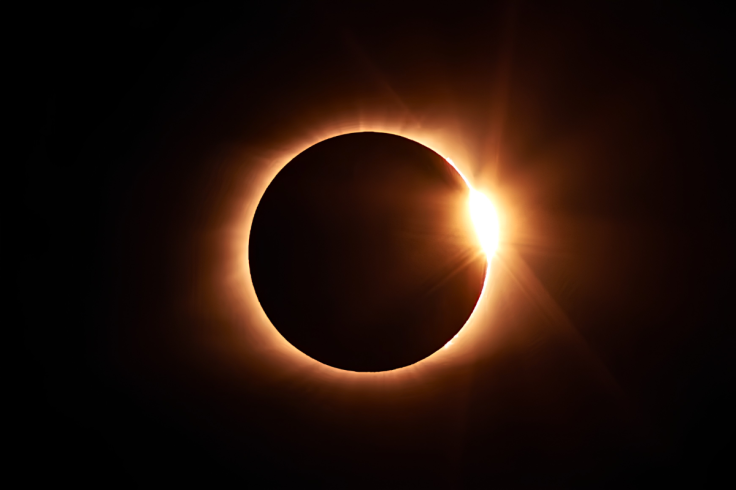
The UK will see a deep partial solar eclipse on Wednesday, 12 August 2026, with around 90% of the Sun covered across much of the country.
According to reports, the eclipse will be visible from Britain between roughly 6pm and 8pm BST, but the latest weather outlook suggests clouds could determine how much of the event people actually see. Southern England currently has some of the more favourable conditions, while parts of northern England and Scotland face a greater risk of clouds.
UK Solar Eclipse 2026 Timing
According to reports, the eclipse will begin at slightly different times depending on location. In London, the Moon will start moving across the Sun at 6.17pm, with the maximum eclipse at 7.13pm before the event ends at around 8.06pm.
Manchester and Liverpool will reach maximum eclipse at about 7.10pm, while viewers in Edinburgh and Glasgow can expect the peak at around 7.05pm. In Cornwall, the maximum eclipse will come later, at approximately 7.16pm.
It should be noted that the UK will experience a partial rather than total solar eclipse. The amount of the sun covered will generally increase towards the south-west, reaching roughly 95% in Cornwall and about 90% in London.
Met Office Forecast for the Solar Eclipse
Weather conditions could be the biggest obstacle for UK eclipse watchers.
The latest Met Office outlook for southern England points to largely dry and bright conditions through Wednesday, with sunshine expected and temperatures rising during the week.
However, conditions further north are less certain, with cloud and possible showers creating a greater risk of obstructing the eclipse. Forecasts remain subject to change, particularly several days before the event.
The Royal Observatory Greenwich also warns that viewers will need a clear western horizon because the Sun will be relatively low in the sky as the eclipse reaches its maximum.
Where Is the Best Place To Watch the Eclipse?
The south-west of England offers the highest eclipse coverage, with Cornwall seeing around 95% of the sun obscured. Whereas London will see about 90%, while other parts of Britain will fall between those levels.
A location with an unobstructed view towards the west will be particularly useful. Experts suggest that a higher ground or an open coastal location could offer a better view if local cloud remains patchy.
For anyone unable to find clear skies, the Royal Observatory Greenwich will also provide a free livestream of the partial solar eclipse from 6.10pm.
How To Watch The Solar Eclipse Safely
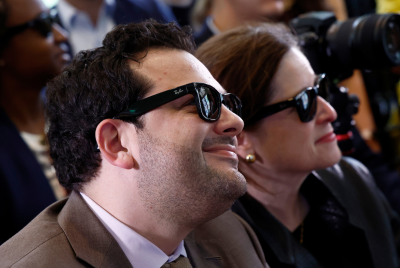
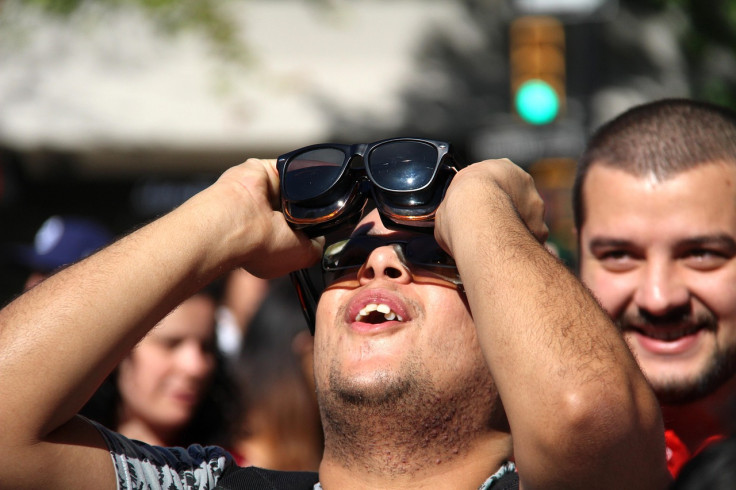
The eclipse should never be viewed directly with the naked eye. Ordinary sunglasses are not suitable because they do not provide sufficient protection from the Sun's rays.
The Royal Observatory recommends certified eclipse glasses carrying the ISO 12312-2 safety standard. Special solar filters should also be used with telescopes, cameras and binoculars.
The 12 August event is expected to be the deepest partial solar eclipse visible from the UK since 1999, although Britain will have to wait until 2090 for its next total solar eclipse.
As long as clouds don't obstruct the view, the majority of people in the UK should be able to witness the solar eclipse in 2026. It will be crucial to check the most recent Met Office forecast on Wednesday.
© Copyright IBTimes 2026. All rights reserved.
- Recommended For You