

California Water Scare Leaves 516 Homes Under 'Do Not Drink' Alert Amid Fears of 'Unknown Substance' in Tank
San Luis Obispo crews drained the Serrano tank and flushed nearby pipes as residents awaited the water test results
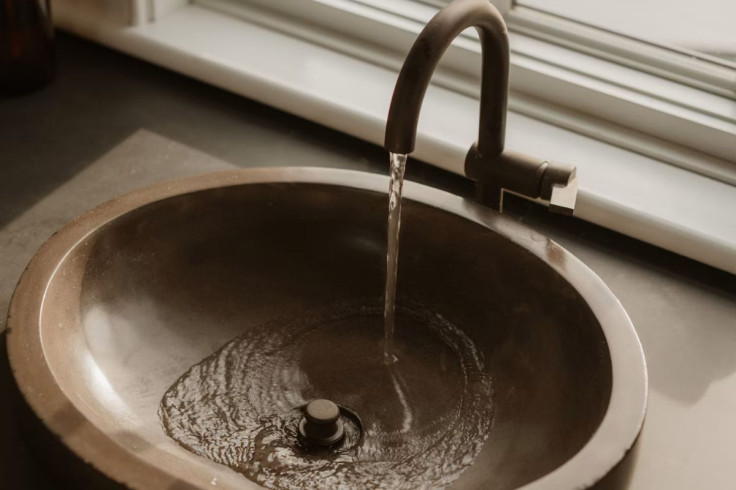
San Luis Obispo issued a 'do not drink' alert for 516 homes at 3:30 a.m. local time on Monday 23 November, citing concerns that an unknown substance may have entered a water storage tank in the coastal California city.
An alarm on Sunday night indicated that the access hatch on the Serrano tank had been lifted. In a statement on Instagram, city officials described 'trespass and possible tampering'. They had yet to establish whether the water was contaminated.
Most of the affected homes were in the Serrano and Patricia neighbourhoods. The city expected any contamination to remain within the two zones the tank supplied. Officials expected to resolve the issue within 72 hours, by Thursday 26 November, but the warning would remain in effect until testing confirmed the water was safe.
San Luis Obispo Issues Safety Guidance and Provides Bottled Water to Affected Residents
For residents unsure whether the notice applied to their home, the city provided an interactive map and a list of affected addresses. Anyone who needed bottled water could collect it from Bishop's Peak Elementary School at 451 Jaycee Drive in San Luis Obispo.
Officials told residents to use bottled water for drinking, cooking and preparing baby formula. The guidance also covered brushing teeth, making ice and washing dishes. A commenter on Instagram wanted to know whether residents could still shower. They could, the city replied.
The city's notice warned residents against trying to treat tap water at home. 'Boiling, freezing, filtering, adding chlorine or other disinfectants, or letting water stand will not make the water safe if contamination exists.'
Tank Security and the 'Do Not Drink' Alert
Greg Pierce, an associate professor at UCLA who directs its Water Resources Group, suggested the city had acted out of caution. He noted that the water in a storage tank would dilute any substance that might have entered it.
Water suppliers generally monitor their tanks with cameras and alarms, Pierce explained, and the sites are usually fenced. He described break-ins as unusual, though he cited occasional reports from Southern California of young people climbing or vandalising tanks.
Across the US, Pierce pointed to a separate concern for water suppliers as cyberattacks became more frequent. In a July 2026 bulletin, the FBI and the Environmental Protection Agency reported incidents at water and wastewater utilities in at least seven states. Some of those incidents, the agencies stated, 'degraded water operations'.


Where 'Do Not Drink' Fits Among Water Warnings
Pierce explained that drinking water advisories have three levels. The least restrictive, 'boil water', often follows pressure drops over microbial contamination fears. San Luis Obispo's notice is one level higher, while 'do not use' is the most restrictive.
Nine Los Angeles-area water systems issued 'do not drink' notices over contamination fears after the Eaton and Palisades fires. Las Flores Water Co. lifted the last notice in May 2025, four months after issuing it.
In San Luis Obispo, crews drained the Serrano tank and flushed nearby pipes 'to remove any potentially contaminated materials'. Officials told residents the notice would stay in force after the pipes had been flushed, until tests confirmed that the water reaching their taps was safe to drink.
© Copyright IBTimes 2026. All rights reserved.