Trump Wants Canada To Pay For Wildfire Smoke, but Even Republican Senators Aren't Buying It
Bipartisan Senators Criticise Trump's Suggestion for Tariffs on Canada Due to Wildfire Smoke

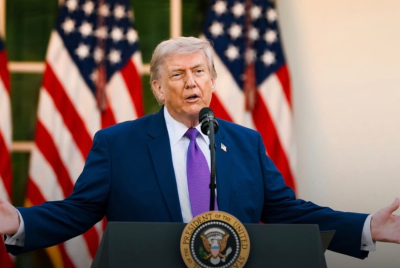
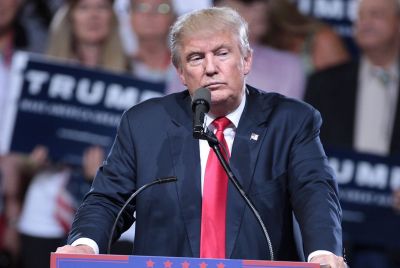
President Donald Trump's suggestion that Canada should pay the United States over wildfire smoke drifting across the border has drawn criticism from both Republican and Democratic senators. Trump argued that smoke from hundreds of wildfires burning across Canada had 'poisoned' the air in many American cities and even suggested Canada could face tariffs or be asked to pay damages.
However, lawmakers from both parties dismissed the proposal, saying wildfire smoke is driven by weather conditions that are beyond anyone's control. While some senators said both countries should improve forest management to reduce the risk of large wildfires, others stressed that the fires were naturally caused.
The comments came as nearly 900 wildfires continued burning across Canada, sending smoke into parts of the United States and affecting air quality in cities including Chicago, Detroit, Minneapolis and New York City.
Senators Reject Trump's Proposal
Trump raised the issue after speaking with Canadian Prime Minister Mark Carney during the FIFA World Cup final. Recalling the conversation, Trump told reporters at Joint Base Andrews that he urged Canadian officials to stop the smoke from crossing into the United States.
'I told them, I mean, "You got to stop these fires from coming in and, you know, poisoning our air,"' Trump said.
He added that while the United States was willing to help Canada if needed, there should also be consequences.
'If we can help them, we'll help them. But maybe they should pay us some damages or something, or we should do some tariffs.'
Trump also repeated the idea on Truth Social in recent weeks, claiming he warned Carney during a phone call that tariffs could increase because wildfire smoke had created hazardous air quality in parts of the United States. According to Trump, cities including Chicago, Detroit, Minneapolis and New York City had been affected.
The proposal was not well received by senators from either party.
Democratic Senator Tammy Duckworth of Illinois dismissed the suggestion outright.
'I think the president's being ridiculous,' Duckworth told Fox News Digital.
Democratic Senator Peter Welch of Vermont also rejected the idea, pointing to the role of weather in carrying smoke across international borders.
'Nobody can control the direction of the wind,' Welch said. 'Even President Trump can't do that.'
Welch later added that the fires were naturally occurring events.
'Those are natural-caused fires, you know, we're getting wildfires all over the world,' he said. 'Beyond anyone's control, it's the weather.'
Calls for Better Forest Management
Although most senators interviewed disagreed with Trump's proposal to seek damages from Canada, some argued there were lessons for both countries when it comes to managing forests.
Republican Senator Roger Marshall of Kansas said the United States shares responsibility for failing to reduce wildfire risks through active forest management.
'I'm mostly just interested in active management of the forest, and America is just as guilty,' Marshall said.
He continued, 'We have not actively managed our forests, and that's why in Canada and America both have led to these large fires. We haven't properly managed them.'
Democratic Senator Gary Peters of Michigan also rejected the idea that Canada should be blamed financially for the smoke reaching the United States.
'I don't think the Canadians want those fires any more than we do,' Peters said.
While most senators questioned Trump's proposal, Republican Senator Bernie Moreno of Ohio is taking a different approach. According to the report, Moreno is introducing legislation aimed at holding Canada accountable for the impact its wildfires have had on air quality in the United States.
The debate comes as Canada continues to battle nearly 900 active wildfires. The blazes are believed to have started after thousands of lightning strikes hit parts of North America in early July. As the fires continue to burn, smoke has spread south across the border, reducing air quality in several major American cities.
Although lawmakers remain divided on how the issue should be addressed, there was little support among the senators interviewed for Trump's suggestion that Canada should compensate the United States or face tariffs because of the smoke. Instead, many argued that wildfires are a natural event shaped by weather conditions, while others pointed to forest management as an area where both countries could do more to reduce the risk of future fires.
© Copyright IBTimes 2025. All rights reserved.
- Recommended For You