

What Is Causing Chicago's Dangerous Air Quality, and When Will It Be Safe to Go Outside?
Residents urged to limit outdoor activities as wildfire smoke causes severe air quality issues
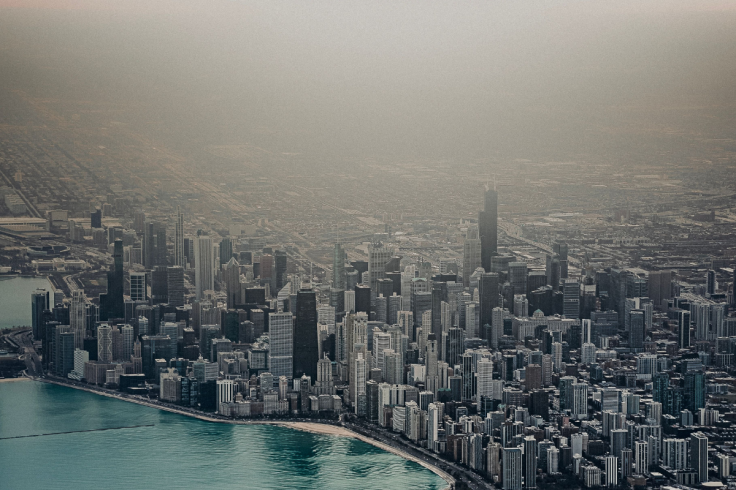
Meteorologists are advising Chicago residents to limit outdoor activities after parts of the city's Air Quality Index (AQI) reached as high as 753 on Thursday afternoon, a level considered 'extremely hazardous'.
'Everyone should reduce prolonged activities or heavy exertion outdoors. Active children, older adults, and people with pulmonary or respiratory disease such as asthma should avoid prolonged activities or heavy exertion outdoors,' the National Weather Service advised.
Officials warn conditions could remain unhealthy until at least Friday afternoon because of thick haze caused by large wildfires burning in Canada and northern Minnesota.
Visibility has also been reduced across the Midwest in what officials are calling the worst air quality in the region since regulatory monitoring began nearly 30 years ago.
What Caused Chicago's Extremely Hazardous Air
According to forecasters, Chicago's AQI surged into hazardous territory because wildfire smoke became trapped near ground level by prevailing weather patterns.
@sayan.zd Crasy scenes from Canadian wildfires in Chicago today! #chicago
♬ A Time of Quiet Between the Storms - Hans Zimmer
'North to northeasterly winds will continue to transport dense wildfire smoke from Canadian wildfires into the region,' the National Weather Service said.
The thick haze blanketing the city is largely caused by PM2.5 — fine particulate matter that is small enough to penetrate deep into the lungs and bloodstream, increasing the risk of heart and respiratory problems.
Exposure can also irritate the eyes and throat. Vulnerable groups are urged to stay indoors, as PM2.5 can worsen asthma, trigger breathing difficulties and increase the risk of cardiovascular complications.
Meteorologists' Advice on When to Head Outside
According to a local meteorologist, the 'extremely hazardous' smoke could linger until Friday morning.
By Friday afternoon, shifting winds are expected to push the smoke eastwards, gradually improving air quality.
By Friday evening, most of the hazardous air is expected to have cleared.
In the meantime, health officials are urging residents to stay indoors, keep windows closed, use HEPA air purifiers where possible and run air conditioning in recirculation mode.
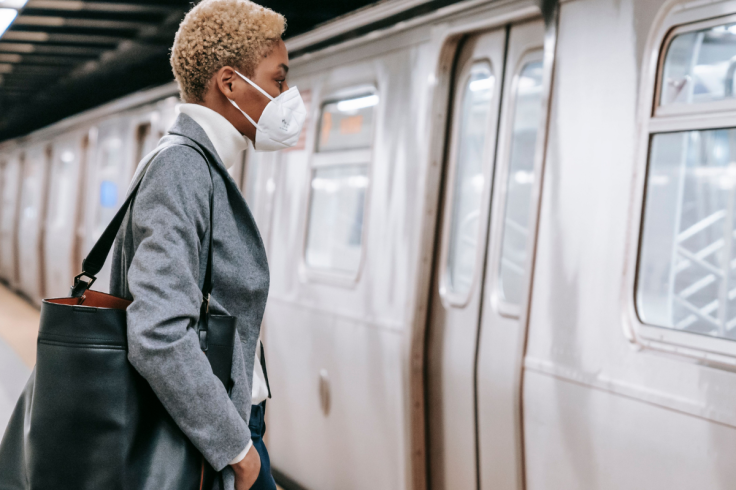
Wearing an N95 mask is also recommended if outdoor travel is unavoidable.
The City of Chicago also advised: 'Avoid strenuous outdoor activities. Keep outdoor activities short. Consider moving physical activities indoors or rescheduling them.'
AirNow recommends checking the Air Quality Index daily, as conditions can continue to fluctuate depending on wildfire activity and changing weather patterns.
Chicago Isn't Suffering Alone
Chicago is one of several major cities affected by the expanding smoke plume from ongoing wildfires in Canada and northern Minnesota.
More than 20 US states have experienced deteriorating air quality, disrupting schools, sporting events and other outdoor activities.
With AQI readings reaching record levels in parts of the US, the event marks one of the most widespread smoke outbreaks since the devastating 2023 wildfire season.
Beyond the immediate health risks, the episode serves as a reminder that the effects of major wildfires extend far beyond the flames themselves.
As the Canadian wildfires are expected to continue burning for months, experts warn that although air quality is likely to improve over the coming days, similar smoke events could return depending on weather conditions.
© Copyright IBTimes 2026. All rights reserved.