

Did the Simpsons Predict a Blackout on 17 November? Here's What's Really Happening
A planned nationwide Emergency Alert System test was unrelated to viral claims about a worldwide power and internet shutdown
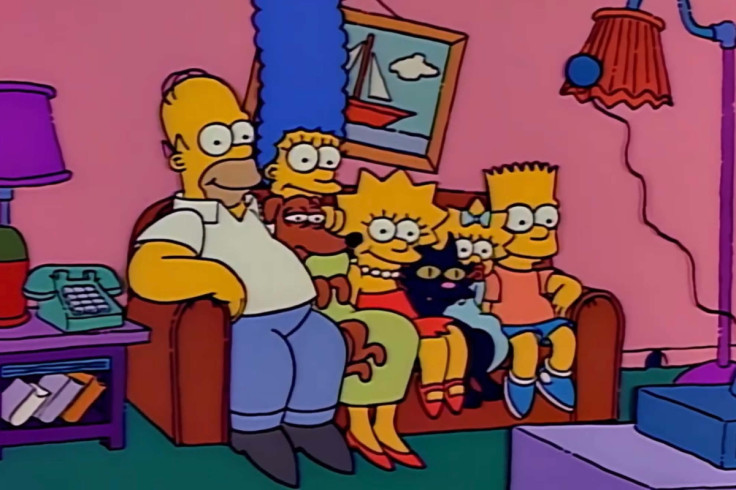
Rumours that The Simpsons predicted a global blackout on 17 November 2026 spread across social media. However, no verified announcement warned of a planned nationwide power shutdown in the United States. The date has now passed, and the supposed prediction was not evidence of a real-world emergency.
The real event scheduled for Tuesday was a nationwide Emergency Alert System (EAS) test organised by the Federal Emergency Management Agency (FEMA), in coordination with the Federal Communications Commission (FCC). It was scheduled for 2.20pm Eastern Time and was designed to test public warning communications, not electricity supplies.
The test was expected to interrupt radio and television programming briefly with a message identifying it as an exercise. FEMA said the public did not need to take action. The FCC's notice also listed 3 December 2026 as a backup date if conditions prevented the November test.
Online posts linked the test to claims of a global power and internet shutdown. However, no credible evidence established that such an event had been planned. The alert test was not evidence of a threat to the power grid.
Where the Simpsons Blackout Prediction Came From
The rumour centres on 'It's a Blunderful Life', an episode from The Simpsons' 35th season that first aired on 19 November 2023. In its Thanksgiving storyline, an older Lisa recalls a fictional blackout in Springfield. Her diary shows 17 November alongside a reference to an approaching storm.
The episode does not identify 2026 as the year or describe a worldwide outage. The date appears in a fictional diary entry and does not establish a real-world forecast.
The New York Post reported on the viral claim on 17 November, as the scene circulated again on social media. USA Today also noted that the episode does not identify 2026 as the year of the fictional blackout.
Recent Technology Disruptions Added to the Speculation
The rumour gained attention amid genuine technology and transport disruptions. On Monday, 16 November, customers reported problems accessing online services at Chase, Bank of America, Wells Fargo and other financial institutions. Chase confirmed a technical issue that delayed some transactions, while Bank of America said its systems had operated normally.
Those reports followed a Microsoft outage that affected Outlook, Teams and other services from 12 November. Microsoft said services had recovered by 14 November. There is no verified evidence linking the incidents to a planned blackout.
On 13 November, the Federal Aviation Administration (FAA) issued a nationwide ground stop after communications problems affected air traffic control facilities. Operations resumed that evening, although delays and cancellations continued. The FAA later reported about 12,462 flight cancellations that day, not all directly caused by the ground stop.
These incidents show that technical failures can disrupt essential services, but do not demonstrate that a blackout was imminent. There is no evidence connecting these separate technical incidents to the viral prediction.
Local power cuts remain possible because of severe weather, equipment failures or other emergencies. Keeping a torch, charged power banks and essential supplies is sensible household preparation. It is not a reason to panic-buy generators because of a cartoon scene.
The supposed prediction rests on a fictional diary date, a routine US alert-system test and unrelated service disruptions. The Simpsons did not confirm a global blackout for 17 November 2026. The real story is how an old television gag became attached to genuine but separate events.
© Copyright IBTimes 2026. All rights reserved.