US Seniors Could Lose Half Their Social Security Cheques Under Tougher Overpayment Clawback Rules
The Social Security Administration's fluctuating overpayment recovery policy impacts millions of retirees and disabled beneficiaries.

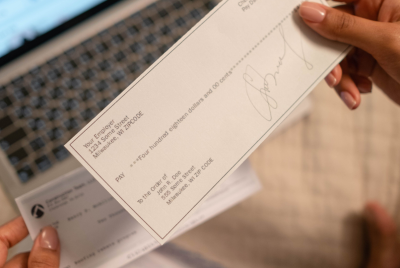
Millions of American retirees and disabled beneficiaries now risk losing half of each monthly Social Security cheque whenever the agency decides it paid them too much.
The Social Security Administration quietly fixed a default withholding rate of 50 per cent for new benefit overpayments through an internal emergency message dated 25 April 2025, and that rate still governs recovery today. It replaced a short-lived 100 per cent clawback the agency had reinstated only weeks earlier, which itself had undone a 10 per cent cap brought in under President Joe Biden.
Beneficiaries, advocates, and front-line field staff have spent more than a year tracking a policy that lurched in three directions inside thirteen months.
A Withholding Rate That Swung Three Times In Thirteen Months
In March 2024, then-commissioner Martin O'Malley capped Title II clawbacks at 10 per cent of a monthly benefit, or £7 ($10), whichever was greater, ending a long-standing habit of seizing whole cheques to recover money. Justice in Aging later reported that O'Malley had branded the older practice 'clawback cruelty,' and the agency cast the cap as a way to restore humanity to the process.
The reprieve did not hold. On 7 March 2025, the agency announced it would return to full 100 per cent withholding for overpayments issued on or after 27 March, citing fiscal responsibility. Acting Commissioner Lee Dudek said it was the agency's 'duty to revise the overpayment repayment policy back to full withholding, as it was during the Obama administration and first Trump administration, to properly safeguard taxpayer funds.'
That decision carried a price tag, with the Office of the Chief Actuary estimating full recovery would yield about £5.2 billion ($7 billion) over a decade. Less than two months on, the agency reversed itself yet again, setting the default at 50 per cent through the April emergency message and issuing no press release to announce it.
Richard Fiesta of the Alliance for Retired Americans summed up the whiplash, telling CNBC that in 100 days the rate had gone 'from as low as 10 [per cent] to 100 and now to 50'. Some campaigners read the climbdown as progress, with AARP's Bill Sweeney welcoming it as 'a step in the right direction' while arguing the underlying errors were often the agency's fault, not the beneficiary's.
Who The Fifty Percent Default Hits
The halved cheque applies to new overpayment notices covering Title II benefits, the umbrella for retirement, survivors, family, and disability insurance payments. Supplemental Security Income overpayments stay capped at 10 per cent, and most Title II debts flagged before 25 April 2025 remain under the gentler terms in place when the recipient was first notified. A carve-out exists for fraud, where cases sit outside the default and follow separate recovery rules.

The stakes for everyone else are far from abstract. Disability Insurance recipients draw an average of roughly £1,139 ($1,538) a month, a figure cited by the National Committee to Preserve Social Security and Medicare, so a 50 per cent reduction lands hard on households already living close to the edge.
Watchdogs also stress that the sums clawed back are a sliver of total spending, with an inspector general review finding improper payments make up less than 1 per cent of benefits paid out.
Kate Lang, director of federal income security at Justice in Aging, warned that the cut could prove ruinous. She told CNBC that losing half of one's income would be 'devastating and can still result in people becoming homeless' for anyone leaning on benefits to cover rent, a mortgage, or groceries.
The Ninety-Day Window Beneficiaries Cannot Afford to Miss
A notice does not trigger an instant cut. Recipients generally have 90 days to respond before withholding starts, and the SSA's own guidance confirms it will not collect while a timely appeal or waiver request is pending, provided that request lands within the first 30 days. They can contest the overpayment, request a waiver if the error was not their fault, or ask for a repayment rate they can actually afford.
The errors are frequently the agency's own. CBS News reported that the inspector general traced tens of thousands of 2022 overpayments to Social Security's faulty calculations rather than any mistake by the beneficiary. Recovering that money years later can still wreck a household budget.
O'Malley, who designed the 10 per cent cap, framed the human cost bluntly. In an April 2025 interview with KFF Health News, he said that for anyone depending entirely on a Social Security cheque, 'having half of it interrupted' could mean going 'without your medicine instead of buying medicine and food.'
For the roughly one in three recipients who rely on their cheque to cover the basics, a single overpayment notice can now halve a household's income within three months.
© Copyright IBTimes 2026. All rights reserved.
- Recommended For You