'I Was In A F**king Class I Didn't Want!' — Vince Vaughn Rips Into Political Late-Night Shows
Vince Vaughn's Bold Critique of Late-Night TV's Political Shift
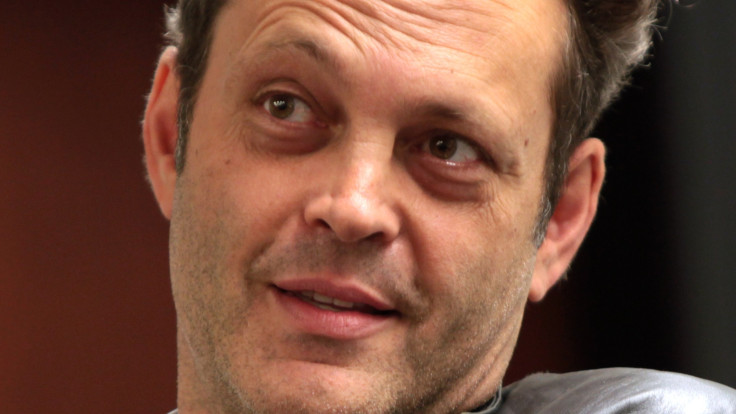
Hollywood actor Vince Vaughn has never been one to shy away from speaking his mind, and his latest comments about late-night television have stirred fresh debate about the state of modern comedy. Appearing on comedian Theo Von's podcast, Vaughn delivered a blunt critique of what he sees as a growing problem across the genre.
According to him, late-night shows have drifted away from humour and into political messaging, leaving audiences disengaged. His frustration was summed up in a striking remark, where he said watching such programmes felt like being 'in a f**king class I didn't want'.
The comments arrive at a time when traditional late-night formats are facing declining ratings and increased competition from podcasts and digital platforms.
Vaughn's critique taps into a broader cultural conversation about whether entertainment has become overly politicised, and whether audiences are now seeking authenticity over scripted commentary.
'It Stopped Being Funny': Vaughn Takes Aim at Late-Night TV
Vaughn's criticism centres on what he describes as a shift in tone across late-night television. Speaking candidly, he argued that many shows have become 'agenda-based', prioritising political viewpoints over comedy. This, in his view, has eroded the very essence of what made the format successful in the first place.
He suggested that audiences have grown tired of being lectured rather than entertained. The actor noted that instead of delivering humour, many hosts now appear to be 'evangelising' their beliefs, which creates a disconnect with viewers.
His now-viral comparison to being stuck in an unwanted class captures that frustration, framing the experience as more of a scolding than a source of enjoyment.
The issue, Vaughn added, is not just political content itself, but the uniformity across shows. He claimed they have all become 'the same show', with similar viewpoints and predictable punchlines. This lack of variety, he believes, has contributed significantly to falling ratings in the late-night space.
His remarks also touched on a broader industry concern. Vaughn hinted that creative risks are increasingly avoided in favour of safe, formula-driven content. While not limited to late-night television, this trend reinforces his argument that authenticity is being sacrificed for conformity.
Podcasts, Politics, And A Changing Audience
Vaughn's critique did not stop at late-night television. He contrasted the format with the rise of podcasts, which he believes offer something audiences are craving: genuine conversation.
According to him, viewers are turning away from scripted monologues and towards platforms where discussions feel unscripted and real.
This shift reflects a larger transformation in media consumption. Podcasts hosted by figures like Theo Von and others have gained traction precisely because they allow for longer, less filtered exchanges. At the same time, his remarks are likely to lead to pushback.
Late-night hosts such as Stephen Colbert and Jimmy Kimmel have built large followings by blending humour with political commentary, particularly in recent years. For many viewers, that blend is precisely what makes the shows relevant.
Still, Vaughn's intervention highlights a growing divide in audience expectations. While some embrace politically charged comedy, others appear to be seeking something lighter or more balanced.
As the media landscape continues to change, the success of podcasts and alternative formats suggests that the appetite for authenticity is not just a passing trend, but a defining feature of modern entertainment.
© Copyright IBTimes 2026. All rights reserved.
- MOST POPULAR IN Entertainment