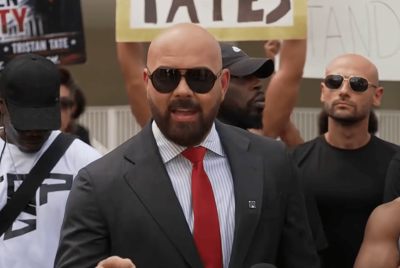
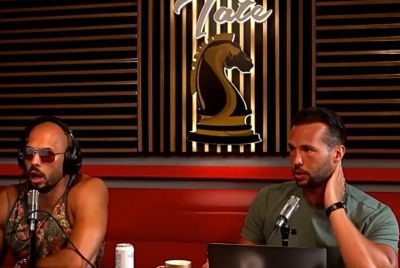
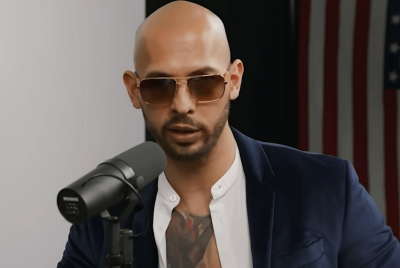
Tate Brothers Extradition Case: Prosecutors Argue for Detention Due To 'Heightened Risk of Flight'
Federal prosecutors in Miami push to keep Andrew and Tristan Tate behind bars as the controversial influencers fight extradition to the United Kingdom over severe sex trafficking and rape charges
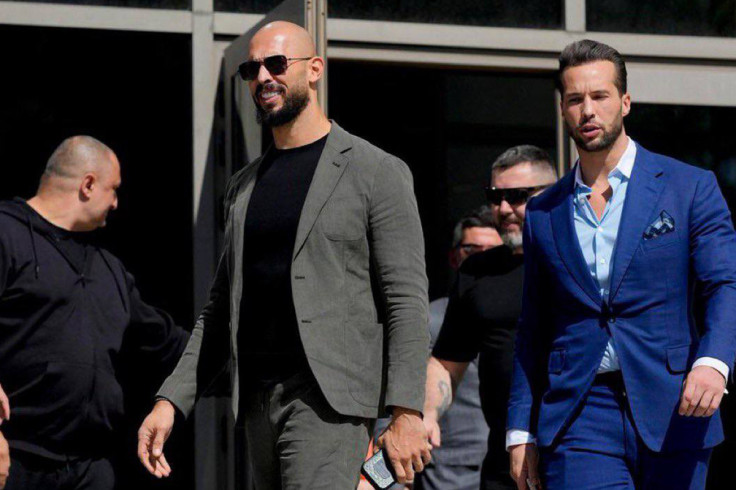
Prosecutors in Miami asked a federal judge on Monday to keep the Tate Brothers in custody, arguing there is a 'heightened risk of flight' as Andrew and Tristan Tate fight extradition to the United Kingdom over rape and sex trafficking charges dating back more than a decade.
They argued that the defendants' immense global wealth, access to multiple passports, and influence across multiple jurisdictions create an overwhelming incentive to flee that no financial bond could possibly mitigate.
The request landed three days after defence lawyers filed a motion seeking the brothers' release from the Federal Detention Centre in downtown Miami.
The unfolding battle highlights the complex realities facing transnational public figures as courts weigh the strict legal presumptions governing international extradition requests.
Both are wanted by British authorities over a string of allegations involving multiple women, while separate proceedings in Romania remain unresolved.
Tate Brothers Extradition Case Centres on Flight Risk
The Miami case is not a trial on the underlying charges but an extradition process that could stretch on for months.
A hearing on Thursday will decide whether the Tate Brothers stay behind bars or are allowed out on bond while the United States considers the UK's request to send them back.
In a filing to the court, the US Attorney's Office leaned heavily on the standard presumption against bail in international extradition cases and argued the Tates fall squarely within that logic.
Prosecutors said the seriousness of the pending UK allegations, which include human trafficking, 'violent rapes' and assaults against multiple complainants combined with claims from Romania that the brothers tried to intimidate witnesses, create an obvious public safety concern.
They went further, telling the judge that the brothers' lifestyle and resources make any release unacceptable.
'That the Tates also claim to maintain multiple passports and identities, have access to excessive wealth and influence in numerous countries, and are stridently unwilling to voluntarily return to face prosecution in the United Kingdom, collectively demonstrate a heightened risk of flight that no amount of bond could overcome,' the filing states.
Defence lawyers see it differently. In their motion on Friday, they conceded there is a presumption against bond in extradition cases but said courts can depart from that presumption in 'special circumstances.'
They argued that the Tate Brothers' notoriety, rather than being an advantage, actually makes it nearly impossible for them to disappear.
Their clients, they said, are globally recognisable social media figures who routinely broadcast their locations online.
The defence also pointed to the brothers' conduct in Romania, where they were arrested in 2022 after moving to the country in 2016. There, prosecutors accuse them of luring women into sexual exploitation schemes.
The Tates deny the allegations, and the case has stalled over what their lawyers describe as legal and procedural complications. According to the Miami motion, the brothers complied with all pretrial restrictions during that process, which their legal team says undercuts any suggestion they would suddenly bolt from US jurisdiction.
No date has been set for a full extradition hearing, and the UK has until mid‑September to submit its evidence package to the US State Department. Until then, the Tate Brothers remain in a protective unit inside FDC Miami.
Fresh UK Charges Deepen the Tate Brothers' Legal Troubles
UK charges that underpin the extradition request involve four additional women and allegations spanning from 2010 to 2017.
British prosecutors say the case covers rape, assault, trafficking and offences linked to 'indecent images of a child and extreme pornography,' after receiving material from police in Bedfordshire in south‑eastern England. These sit on top of existing charges in Britain, where the Tate Brothers are already accused of rape, causing bodily harm, human trafficking and controlling prostitution for gain relating to three other complainants between 2012 and 2015.
The brothers have consistently denied any wrongdoing across all jurisdictions.
Andrew Tate, 39, first emerged into mainstream UK consciousness through the reality show Big Brother a decade ago, until he was ejected after footage appeared to show him assaulting a woman.
Since then, he has rebranded himself online as an ultra‑wealthy, hyper‑masculine life coach, amassing more than 10 million followers on X while being banned from YouTube, TikTok and Instagram for violating hate‑speech policies.
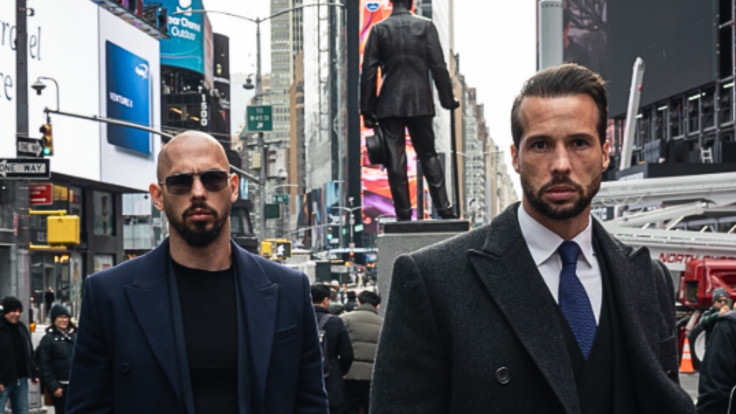
He has made comments widely condemned as misogynistic, including claims that women who are sexually assaulted should bear some responsibility and graphic descriptions of how he might attack women.
He and his brother Tristan, 38, insist their most inflammatory statements are jokes, fragments taken out of context or part of an exaggerated 'character.'
In the current US proceedings, none of those cultural arguments will count for much.
The judge on Thursday will be looking at more prosaic questions: the weight of the evidence presented by the UK, the scope of the allegations already on record in Britain and Romania, and whether any conditions electronic monitoring, house arrest, financial sureties could realistically neutralise the risks prosecutors have outlined.
Nothing has been proved in court about the latest UK allegations, and no extradition order has been made, so all claims remain formally untested and should be treated with caution.
With the UK holding until mid-September to submit its final evidence package to the US State Department, the legal showdown over their detention continues to unfold.
© Copyright IBTimes 2026. All rights reserved.
- Recommended For You