UN Links Andrew Tate to 'Harmful Masculinity' as UK Extradition Battle Intensifies: End of Manoshphere?
Andrew Tate extradition battle intensifies after UN criticism
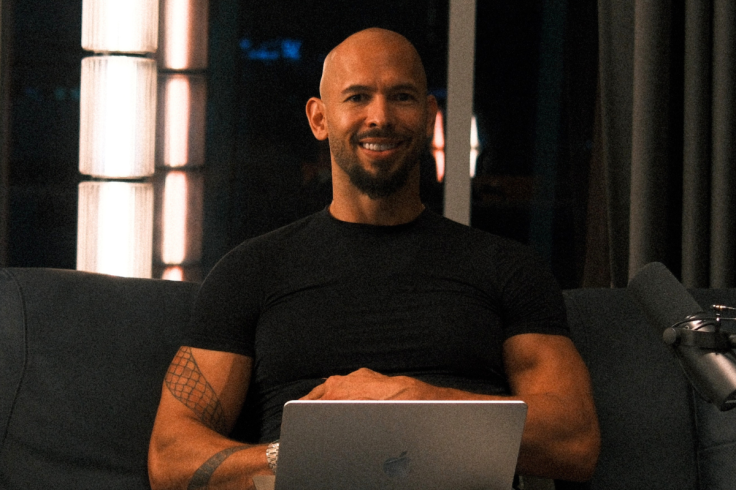
Andrew Tate's influence has come under fresh international criticism after a United Nations expert linked the controversial influencer to 'harmful models of masculinity' while he and his brother Tristan fight extradition to the UK from the United States.
Reem Alsalem, the UN Special Rapporteur on violence against women and girls, welcomed the proceedings on Wednesday, 5 August, saying the brothers' global reach made accountability increasingly urgent as British prosecutors pursue dozens of criminal charges.
UN Expert Condemns Tate's Online Influence
Alsalem described the extradition proceedings as an 'important step' towards accountability over allegations involving violence against women and girls.
She cited both the 'scale of the alleged offences' and the brothers' global influence in 'promoting misogyny and harmful models of masculinity.'
The independent UN expert also urged authorities in the US, UK and Romania to ensure that anyone who allegedly aided or profited from the brothers' purported activities is investigated.
'No one should be above the law regardless of their status, influence or international reach,' she said.
UN special rapporteurs are independent experts appointed by the UN Human Rights Council, meaning Alsalem's comments do not represent an official position adopted by the United Nations as a whole.
Andrew Tate Fights Extradition to UK
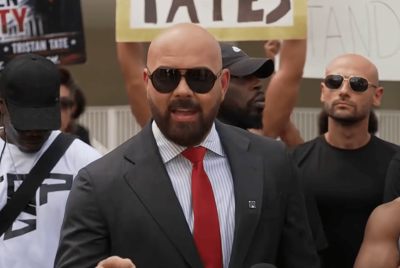
Andrew and Tristan Tate, who hold British and American citizenship, were arrested in Miami on 18 July following a UK extradition request.
The Crown Prosecution Service is seeking their return to Britain, where the brothers face 59 criminal charges in total. Andrew faces 42 charges, while Tristan faces 17.
The allegations include rape, sexual assault, assault, arranging or facilitating trafficking for sexual exploitation and offences involving indecent images of a child and extreme pornography.
Both men deny wrongdoing and are expected to contest extradition. Their lawyers have indicated that the US process, including potential appeals, could continue for months.
Separate criminal proceedings involving the brothers also remain active in Romania.
Tate's Manosphere Influence Faces Decline
The legal pressure comes as evidence suggests Andrew Tate's standing among some young men has weakened.
A YouGov survey published on 14 October 2025 found that favourable views of Tate among young men had fallen substantially compared with 2023. Commentators studying teenage audiences have also reported that some younger viewers increasingly regard his persona as outdated rather than aspirational.
The response to his July arrest offered another indication of that shift. Although supporters continued to portray Tate as the victim of institutional persecution, online reaction also included widespread jokes, memes and AI-generated mockery.
Some newer male self-improvement influencers have, meanwhile, moved away from overtly aggressive rhetoric while retaining themes of fitness, dating, money and masculinity.
Is This Really Manosphere's End?
However, Tate's declining appeal does not necessarily mean the wider manosphere is disappearing.
Researchers have identified tens of thousands of YouTube channels reposting or remixing Tate-related material, allowing his messages to circulate beyond his own accounts. Posts connected to Tate have also continued attracting millions of impressions following his arrest.
More importantly, the manosphere extends far beyond one influencer. Communities centred on male loneliness, dating frustrations, anti-feminism, status and traditional gender roles remain spread across multiple platforms.
The UN intervention therefore represents another significant challenge to Tate's public image, particularly alongside the escalating UK extradition battle. But while his personal influence may be losing some of its cultural pull, evidence of the manosphere's broader demise remains far less clear.
© Copyright IBTimes 2026. All rights reserved.
- Recommended For You