Andrew Tate Lawyer Says Trump Could Pay a Political Price for Not Helping Tate Brothers
Joseph McBride claims Andrew Tate helped propel Trump back to the White House, then warns Republicans could lose young conservative voters if the administration refuses to back the Tate brothers.
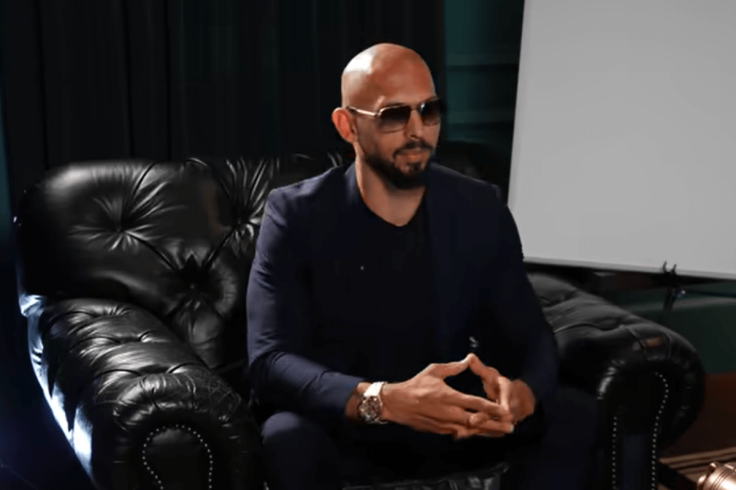
Andrew Tate's lawyer has argued that President Donald Trump could face political consequences if his administration refuses to support the Tate brothers as they continue fighting extradition to the United Kingdom, claiming the influencer played a significant role in mobilising younger conservative voters during the 2024 election.
The remarks, made by attorney Joseph McBride during a recent interview, represent one of the strongest attempts yet to connect the brothers' legal battle with national Republican politics. McBride alleged that Andrew Tate helped energise a generation of young male voters who ultimately backed Trump, warning that ignoring the brothers now could alienate part of the president's political base.
The lawyer did not provide evidence to support that claim during the interview, and there is no publicly available data demonstrating that Tate's online influence directly affected the outcome of the presidential election.
Even so, the comments have shifted attention away from the courtroom and towards the White House, adding a political dimension to an extradition case that has largely centred on criminal proceedings in Europe.
McBride Links Tate to Trump's Election Victory
The most widely discussed moment of the interview came when McBride argued that Tate's online reach extended far beyond internet culture.
'Andrew Tate was a material participant in ensuring President Trump's victory,' McBride said. He suggested Tate's podcasts, livestreams and social media content helped motivate younger conservative men to engage with politics and ultimately support Trump's campaign.
Tate Threatens Trump with Blackmail pic.twitter.com/LHABuwPuxj
— Adam Mockler (@adammocklerr) August 3, 2026
McBride further argued that if the administration declined to support the brothers now, Republicans risked damaging their relationship with that same demographic. Those assertions remain McBride's opinion rather than established fact.
Political scientists have identified numerous factors that contributed to Trump's electoral victory, including economic concerns, immigration, inflation and voter turnout patterns, but there is no consensus that any single online personality played a decisive role.
Extradition Fight Becomes a Political Battle
Until recently, public discussion surrounding the Tate brothers had focused largely on the legal proceedings themselves. Andrew and Tristan Tate continue contesting efforts to extradite them to the United Kingdom while also facing separate criminal investigations in Romania.
Both brothers deny wrongdoing. McBride's latest comments suggest a broader strategy that extends beyond legal arguments.
Andrew Tate says the elites who offered him $50 million also met with Trump.‼️🚨
— Prime Tate (@primetateHQ) August 2, 2026
🗣️“Mr. Trump, you can do your tariffs, and you can kick out a few migrants, but there are limits to what you can and can’t do.”
Is this why Trump isn’t helping the Tate's in their extradition case? pic.twitter.com/NBsnJdThFf
Rather than focusing solely on court filings and judicial procedures, the lawyer appears to be appealing directly to conservative voters and elected officials, framing the case as one with wider political implications.
That approach reflects a growing trend in high-profile legal disputes, where public opinion campaigns often develop alongside courtroom proceedings. Whether the strategy ultimately influences policymakers remains unclear.
Rubio Remarks Draw Fresh Attention
McBride also discussed Secretary of State Marco Rubio while outlining why he believes the Trump administration possesses influence over international extradition matters. During the interview, he referenced Rubio's son while discussing the long-term consequences of public allegations against young people.
The comments generated significant discussion online, with some critics interpreting them as an attempt to pressure senior administration officials. McBride presented the remarks as part of a broader argument about reputational harm rather than a personal attack.
Neither Rubio nor the State Department has publicly responded to McBride's comments.
White House Shuts Down Calls for Intervention
Despite McBride's public appeal, the administration has given little indication that it intends to become involved. During a White House press briefing, Press Secretary Karoline Leavitt was asked whether President Trump planned to intervene on behalf of the Tate brothers.
Her response was brief, 'No.' That answer effectively closed the door, at least publicly, on suggestions that the White House was preparing to assist the brothers in their legal fight.
McBride has also suggested that diplomatic channels could influence the extradition process, although governments typically avoid intervening directly in ongoing judicial proceedings involving allied countries.
Marco Rubio has similarly indicated that he is not closely involved with the matter, reportedly saying he was unfamiliar with the details and suggesting the legal process should proceed independently.
Politics and Legal Process Remain Separate
McBride's argument rests on the broader claim that politicians should recognise the influence certain online personalities now hold over younger voters. Andrew Tate has built one of the largest audiences in the online 'manosphere,' attracting millions of followers across multiple platforms before many of his accounts were suspended.
His supporters often describe him as an influential commentator on masculinity, entrepreneurship and politics. Critics argue that his content promotes misogyny and harmful attitudes toward women. Those competing views have made Tate one of the most polarising internet figures of the past several years.
McBride appears to believe that political leaders ignore that influence at their own risk. Whether that assessment accurately reflects voter behaviour is difficult to measure.
While younger male voters have become an increasingly important Republican constituency, political researchers generally caution against attributing electoral outcomes to individual influencers without supporting evidence.
A Legal Fight with Political Consequences
The Tate brothers' extradition proceedings continue independently of the political debate now surrounding them. Courts, rather than elected officials, will ultimately determine whether the legal requirements for extradition have been satisfied.
For now, McBride's comments have succeeded in reframing public discussion around the case.
Instead of focusing exclusively on criminal allegations and international legal procedures, the conversation now includes broader questions about online influence, conservative politics and whether prominent internet personalities deserve political backing from the leaders they publicly support.
Whether that strategy changes anything in court remains uncertain. What is clear is that the White House has publicly declined to intervene, leaving McBride to continue making his case in the court of public opinion while the legal proceedings move forward separately.
© Copyright IBTimes 2026. All rights reserved.
- Recommended For You