

Indecent Images of a Child: Andrew Tate Complains About Florida Jail as Extradition Battle Begins
Andrew Tate has complained about Florida custody after his Miami arrest, as he and brother Tristan prepare to contest extradition to face UK charges.
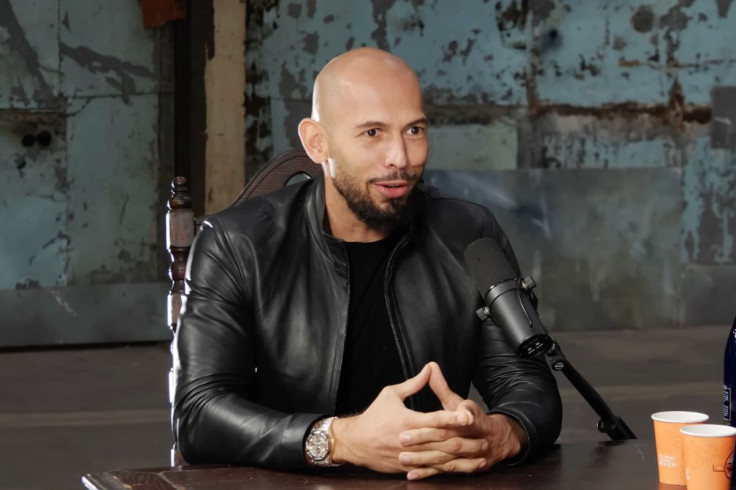
Andrew Tate has complained online about conditions in Florida custody after US Marshals arrested him and his brother Tristan in Miami over the weekend, as the brothers prepare to fight a British extradition request linked to charges including offences relating to indecent images of a child.
For context, the case escalated after the Crown Prosecution Service said it had authorised further charges against the brothers following a new file of evidence from Bedfordshire Police. Andrew and Tristan Tate now face more than 40 charges in the UK, according to the report, including human trafficking, rape and arranging or facilitating trafficking for sexual exploitation.
The latest US arrest puts the long-running allegations back into sharper focus. It also begins a legal fight on American soil, where the brothers can contest whether they should be sent to Britain to answer the accusations.
Indecent Images of a Child Charge Adds to UK Case
The CPS said it had decided to prosecute Andrew and Tristan Tate for 'further offenses including rape, arranging or facilitating trafficking for sexual exploitation and offenses relating to indecent images of a child.'
It added: 'These charging decisions followed receipt of a further file of evidence from Bedfordshire Police and bring the total number of alleged victims in this case to seven.'
That last figure is important. It shows the prosecution case is not confined to a single allegation or complainant, although the brothers have not been convicted and are entitled to contest every charge in court.
The allegations are grave, and the legal language is necessarily dry. Still, the reference to indecent images of a child is the kind of accusation that changes the temperature around a case immediately.

The CPS also issued a clear reminder that the criminal proceedings remain active. 'It is extremely important that there be no reporting, commentary or sharing of information online which could in any way prejudice these proceedings,' it said.
That warning matters in a case involving two men whose public profile has been built, in part, on constant and confrontational social-media output. Their supporters and critics have followed developments intensely online, but the court process is not a running public poll. It is evidence, procedure and the rights of both defendants, however messy the conversation around them becomes.
The prosecution service said it had requested the brothers' extradition from the United States and confirmed that they had been arrested pending extradition proceedings in the UK.
Andrew Tate's Florida Jail Complaint Leaves Key Details Unclear
On Thursday, Andrew Tate used social media to complain about his conditions in Florida custody. The supplied report does not specify where he was being held, what precisely he alleged, or whether a US authority responded to the complaint.
Those gaps are worth stating plainly. A complaint posted by a defendant is not, on its own, evidence that detention conditions breach any rule or legal standard. IBTimes UK cannot independently verify the claims about the conditions described in Tate's post, so they should be treated cautiously.
I am being held in SHU, the highest level of security which exists.
— Andrew Tate (@Cobratate) July 23, 2026
No commissary.
No visits.
No contact with the outside world.
My neighbor is a cannibal who screams throughout the night.
What is confirmed by the CPS statement is the broader legal position. The agency said: 'The CPS has requested the extradition of the Tates from the US. They have been arrested and await extradition proceedings to the UK.'
Tate's lawyer, Joe McBride, said the brothers would oppose the request. 'We are of course objecting to extradition because Andrew and Tristan are innocent,' McBride said.
He added: 'They've never done anything wrong. They shouldn't be extradited for crimes they did not commit.'
That is the defence position, expressed without qualification. It is also a familiar one at the opening of a contested extradition case, where the immediate question is not guilt or innocence but whether the legal requirements for transfer to another jurisdiction have been met.
The eventual proceedings could test issues including the scope of the British request and the brothers' objections to being returned to the UK.
None of that has been set out in the supplied material, and no hearing date is provided. For now, the central facts are more limited but consequential: the Tates are in US custody, British prosecutors say they want them extradited, and the defence says it will resist.
Meanwhile, the CPS's warning remains unusually relevant. A viral post about a Florida cell may make noise. The criminal allegations, and the evidence behind them, are what will matter in court.
© Copyright IBTimes 2026. All rights reserved.