

New York Times Subpoena Fight Marks Latest Clash in Trump's Legal War with US Media Over Air Force One Probe
Legal Battle Over FBI's Pursuit of Journalists' Phone Records Raises Press Freedom Concerns
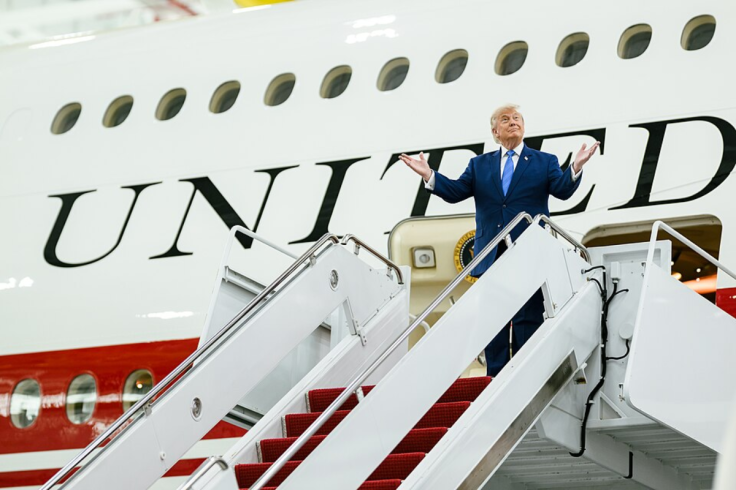
The New York Times will square off against the Trump administration in a Manhattan federal courtroom on Thursday. The paper argues that the FBI's pursuit of its reporters' phone records amounts to an abuse of the justice system designed to unmask sources and intimidate the newsroom.
The clash is the latest flashpoint in a string of legal battles between President Donald Trump and major US news organisations. It centres on stories the paper published about security concerns surrounding the new Air Force One jet, which was gifted to the United States by the Qatari government.
FBI Subpoenaed Reporters' Families
According to court filings in the Southern District of New York, FBI agents visited the homes of several New York Times reporters on Friday, 10 July, just two days after the paper's first story ran. The agents delivered subpoenas compelling testimony before a grand jury.
The Times says the FBI also pursued phone records belonging to reporters' spouses and one reporter's mother.
Katherine Marsh, wife of Times reporter Julian E. Barnes, said the visit left her family shaken. She said they almost felt as though they were being treated as enemies of the state, even though they were simply reporters and reporters' families.
Marsh, an author, said her own phone records were later sought by the FBI as well, despite containing nothing relevant to the case. She described the experience as deeply unsettling.
Donald Trump's Justice Department will withdraw subpoenas issued to New York Times' journalists who reported on security concerns about the president flying on a Qatari-donated Air Force One, a prosecutor said at a court hearing https://t.co/nS7cqfEwfd pic.twitter.com/3O5lgqDmXo
— Reuters Legal (@ReutersLegal) July 23, 2026
Times Points to Kash Patel's Role
The Times' legal team, led by David A. O'Neil of Debevoise & Plimpton, argues the subpoenas were politically motivated. The filings state that the government's actions violate the most basic First Amendment protections for newsgathering activity.
Central to that claim is the paper's own reporting on FBI Director Kash Patel. The Times has reported that Patel personally oversaw the subpoenas while at the White House, citing sources with knowledge of the administration's involvement. The Times' lawyers describe the record as replete with glaring indications of bad faith.
The Justice Department disputes that characterisation. In a statement, it said any subpoena it issues is done in full compliance with federal law and internal department policy.
US Attorney Jay Clayton, the top federal prosecutor for the Southern District of New York, told the Senate last week that his office had sought to limit to the greatest extent possible any intrusion into the operation of the free press. Clayton has been nominated by Mr Trump to become the next director of national intelligence.
A memo filed by Clayton's office this week acknowledged the government had delayed telling the Times' lawyers about the phone record subpoenas, but maintained its underlying case was sound.
Trump's Broader Legal Campaign Against the Press
The subpoena fight follows months of tension between Mr Trump and the paper. Mr Trump filed a $15 billion defamation lawsuit against the Times in September 2025 over its coverage of his 2024 campaign. A federal judge initially struck down that suit as overly long and tedious and burdensome, before it was refiled a month later.
The Times has separately sued the Trump administration over Pentagon press restrictions, while the president has pursued legal action against other outlets, including the Wall Street Journal, CBS and the Des Moines Register.
Thursday's hearing could set a precedent for how far federal investigators can go in seeking journalists' sources, including the records of family members not involved in reporting. Press freedom groups have long warned that using family members' phone data to identify sources risks discouraging whistleblowers and chilling investigative journalism more broadly, regardless of the political party in power.
© Copyright IBTimes 2026. All rights reserved.