Trump's 'Biggest Summit' Backfires Spectacularly as China Refuses Deals and Treats Visit Like 'Afterthought'
US-China Summit concludes with routine discussions and no breakthroughs
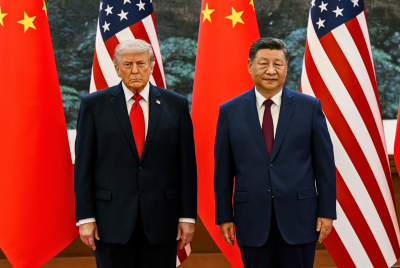
Donald Trump's highly anticipated trip to Beijing has ended in what officials and analysts describe as a clear diplomatic setback, with China refusing to offer any major concessions and reducing the entire summit to routine, tightly controlled discussions. What was promoted as a defining moment in US-China relations instead concluded without agreements, without breakthroughs, and without the symbolic momentum Washington had expected.
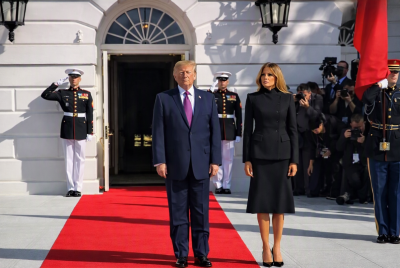
The tone of the visit was set immediately upon arrival when Trump was not greeted by President Xi Jinping or senior Chinese leadership. Instead, the reception was handled by lower-ranking officials, a detail widely interpreted by diplomatic analysts as a deliberate signal of Beijing's restrained priorities.
No 'Top-Level' Welcome from Xi Jinping
Observers note that in high-stakes state visits, the level of leadership presence is often a key indicator of political importance. In this case, the absence of Xi and top ministers suggested that China was not positioning the summit as a transformational negotiation, but rather as a managed diplomatic interaction with limited expectations.
Originally framed as a major diplomatic engagement covering trade tensions, Taiwan security concerns, and Iran-related geopolitical issues, the summit was reportedly scaled down even before negotiations fully began.
Instead of pursuing new agreements, both sides focused on maintaining stability and managing ongoing tensions. Officials familiar with the discussions described the format as procedural rather than outcome-driven, with emphasis placed on continuity rather than change.
Analysts say this shift reflects a broader recalibration in US-China relations, where expectations of sweeping breakthroughs have been replaced by cautious, incremental engagement. The absence of a clear agenda for major concessions further reinforced the sense that the summit was designed to avoid escalation rather than produce headline agreements.
China Holds Firm on Trade, Iran, and Strategic Issues
Despite US efforts to push discussions on trade imbalances, Iran-related policy coordination, and broader regional security concerns, China reportedly maintained a firm and consistent position throughout the talks.
No major economic commitments were announced, and no policy shifts were signalled by Beijing at any point during the summit. Analysts point out that China's expanding global trade networks and energy relationships have strengthened its ability to resist external pressure in bilateral negotiations.
This firm stance meant that key US priorities remained unresolved, with discussions ending without formal agreements or joint declarations of progress. The outcome reinforced perceptions that Beijing entered the summit with limited intent to negotiate on Washington's terms.
Washington Leaves Empty-Handed
By the conclusion of the visit, the lack of tangible outcomes had become the dominant narrative. With no signed agreements, no major concessions, and no breakthrough announcements, critics argue that the summit fell short of its stated diplomatic ambitions.
US officials have not issued a detailed public readout, adding to speculation over what, if anything, was achieved behind closed doors. China's controlled approach to the meeting highlights a shift in global negotiating dynamics, where Beijing is increasingly able to set the tone and pace of high-level talks.
Supporters of continued engagement argue that dialogue remains essential in preventing escalation between the world's two largest economies. However, the absence of visible progress has intensified debate over whether Washington overestimated its leverage heading into the summit and returned with little to show beyond procedural diplomacy.
© Copyright IBTimes 2026. All rights reserved.
- Recommended For You