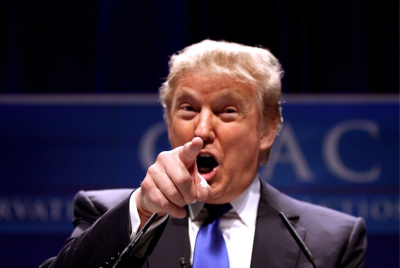
Why Was Donald Trump and Brazilian President Lula da Silva's Meeting Abruptly Closed to the Press?
When a summit built for the cameras suddenly goes dark, the silence can be louder than whatever was said in the room.

Donald Trump and Brazilian President Luiz Inácio Lula da Silva held a closely watched White House meeting on Thursday in Washington to discuss trade and security, but the session, which had been billed as open to cameras, was abruptly closed to the press, prompting fresh questions over why the Trump and Lula meeting was handled so opaquely.
The two leaders have spent months trying to repair a strained relationship shaped by tariffs, clashing political alliances and parallel controversies at home. The Trump administration has hit Brazilian goods with successive import duties, threatened to label Brazil's biggest criminal gangs as foreign terrorist organisations and clashed with Lula over everything from former president Jair Bolsonaro's legal troubles to the war in Iran. Against that backdrop, Thursday's bilateral meeting had been expected to showcase a reset. Instead, it left observers guessing.
Why The Press Was Shut Out
The original plan, according to US networks, appeared straightforward. Trump and Lula were expected to meet in the Oval Office, deliver brief remarks and take a few questions from reporters before moving into a private discussion. That is familiar White House choreography when major partners meet.
Instead, hours after cameras had been told to expect a photo opportunity, a NewsNation anchor told viewers: 'The Brazilian president has just left the White House after meeting with President Trump. This was a meeting that was supposed to be opened to the press. But that did not happen ... we'll have to see what the White House says.'
Neither leader appeared at the podium. Lula left the White House complex without speaking to journalists. No on camera explanation was given for the late change, and at the time of writing there had been no detailed readout beyond a short message from Trump on his social media platform.
'Just concluded my meeting with Luiz Inácio Lula da Silva, the very dynamic President of Brazil,' Trump wrote on Truth Social. 'We discussed many topics, including Trade and, specifically, Tariffs.'
President Trump posts on TruthSocial: Just concluded my meeting with Luiz Inácio Lula da Silva, the very dynamic President of Brazil.
— Donald J Trump Posts TruthSocial (@TruthTrumpPost) May 7, 2026
We discussed many topics, including Trade and, specifically, Tariffs. The meeting went very well. Our Representatives are scheduled to get… pic.twitter.com/6c8ZYHVRSx
He added that 'the meeting went very well' and that representatives from both sides were now 'scheduled to get together to discuss certain key elements', with 'additional meetings' planned over the coming months.
That upbeat summary did little to calm speculation online about why the Trump and Lula meeting was closed to the press at the last moment. 'I bet that the President of Brazil wasn't very nice to Trump. Trump wouldn't go on TV with him,' one user posted on X. 'It didn't go as planned,' another wrote.
A third summed up the concern among transparency advocates: 'If the meeting was supposed to be open to the press, shutting cameras out at the last second only fuels more questions. Transparency matters, especially when world leaders are discussing issues that affect millions.'
Nothing in the available reporting confirms that the talks were tense or that any specific confrontation took place. Without an official explanation, claims of a bust up or walkout remain speculation.
Tariffs, Crime And Iran
Behind the drama over media access sits a hard and politically sensitive agenda that made the Trump and Lula meeting difficult for both governments.
Brazil's finance minister, Dario Durigan, had tried to strike an optimistic tone before the trip, saying on Wednesday: 'The goal is to protect Brazil's population, prioritise the country and maintain constructive dialogue. Expectations for the trip are very positive.'
The economic backdrop, however, remains fraught. The Trump administration imposed a 10 per cent tariff hike on Brazilian products, then followed in July with a further 40 per cent levy, citing what Trump called an 'economic emergency' linked to Brazil's domestic policies and its criminal prosecutions of Bolsonaro.
Under pressure at home to ease consumer prices, Trump later relaxed some of those tariffs. Even so, Brazilian exports still face an additional 10 per cent duty due to expire in July, and the future of that surcharge remains a live bargaining point.
President @realDonaldTrump welcomes President Lula of Brazil to the White House 🇺🇸🇧🇷 pic.twitter.com/rZXMBcEgGH
— Margo Martin (@MargoMartin47) May 7, 2026
Analysts say that alone would have made an open press appearance awkward. Any hint that Trump was softening on tariffs could be seized on by critics in Washington, while Lula cannot afford to appear at home to be yielding to a US president who has repeatedly used trade as a political weapon.
Security is just as sensitive. One major sticking point is the Trump administration's reported consideration of designating Brazil's most powerful crime groups, Red Command and First Capital Command, as foreign terrorist organisations.
According to Leonardo Paz Neves, an international relations professor at Brazil's Getulio Vargas Foundation, such a move would give Washington far greater leverage. It would give the US 'more power to act as a political or economic actor in Brazil', he argued, calling it 'a defensive issue for Brazil that doesn't serve Brazil's interests at all'.
Political Baggage
That debate sits on top of a difficult political mirror between the two countries. Bolsonaro, Lula's defeated predecessor and a Trump ally, has been accused of plotting to stay in power after losing Brazil's 2022 election, accusations that echo those Trump has faced over the 6 January 2021 attack on the US Capitol. Any direct questions about democratic norms or accountability would have been politically explosive in front of cameras.
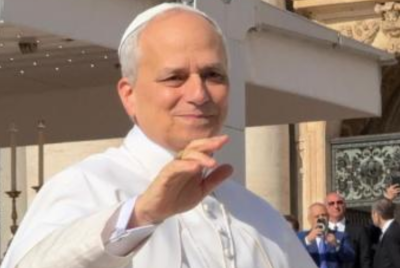
The two presidents have tried to set some of that baggage aside. They began mending fences at the United Nations General Assembly in September, then held a first private meeting in Malaysia in October, followed by several calls. Last month, Lula publicly backed Pope Leo XIV after a tense exchange of barbs between the pontiff and Trump over the war in Iran, another reminder of how global flashpoints spill into their bilateral relationship.
At home, Lula, now 80, is seeking an unprecedented fourth non consecutive term in October's elections and is running neck and neck in polls with Flavio Bolsonaro, the senator son of his far right rival. The trip to Washington, first reported by Brazilian newspaper O Globo, was meant to strengthen his image as a statesman and show he could still do business with a volatile White House.
Instead, the Trump and Lula meeting became a story about what the world was not allowed to see, and about two leaders who appear far more comfortable discussing tariffs, crime and war once the cameras are out of the room.
© Copyright IBTimes 2026. All rights reserved.
- Recommended For You