Trump Snaps At Press Briefing After Being Grilled Over How Long The Iran War Will Last – 'How Many Years was Vietnam?'
The US President faced intense scrutiny over the timeline of the conflict with Iran, drawing controversial parallels to Vietnam and Iraq during a heated press briefing

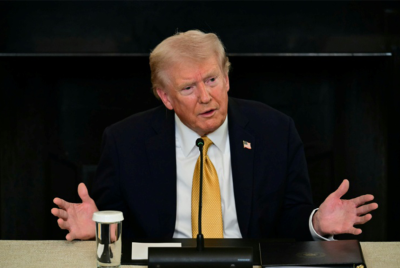
President Donald Trump has struck a defiant tone at a White House press briefing, lashing out at reporters who pressed him for a clear end date to the military conflict with Iran.
The President, visibly irritated by persistent questioning, defended his administration's progress by comparing the current six-week campaign to some of the longest engagements in American history.
When asked how long he was willing to wait for a diplomatic response from Tehran, Trump pushed back sharply: 'Don't rush me, Jeff. We were in Vietnam for 18 years. We were in Iraq for many, many years.'
The exchange highlights the growing tension between the White House and the media over the objectives of the Trump-Iran war briefing.
Despite critics raising concerns about the lack of a defined exit strategy, the President insisted that the Iranian military is 'totally defeated' and that his administration is now prioritising a long-term, lasting deal over a hasty withdrawal.
Heated Exchange Over War Timeline
During the briefing on Thursday, the reporters pressed the president on the lack of clarity surrounding a potential end date for the US military campaign in Iran. 'On the war with Iran, how long are you willing to wait until you get a response?' a reporter whom Trump referred to as 'Jeff' asked the US president.
He repeatedly pointed to Vietnam as an example, suggesting that critics were ignoring how long earlier conflicts had taken to resolve. 'Well, don't rush me. Don't rush me, Jeff,' adding that 'We were in Vietnam for 18 years. We were in Iraq for many, many years. We're in for all the... I don't know. I don't like to say World War II because that was a biggie. But we were four and a half, almost five years in World War II. We were in the Korean War for seven years.'
Trump reiterated that he has only been dealing with the conflict for a few weeks. 'I've been doing this for six weeks. And their military is totally defeated,' he said during the briefing.
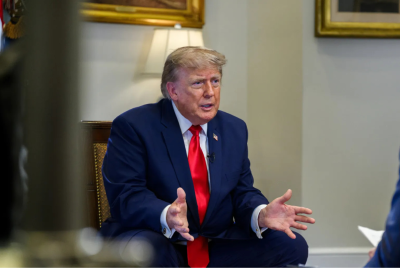
The exchange escalated as Trump expressed frustration with the line of questioning, reports said, with him appearing visibly irritated as he defended his administration's strategy and rejected pressure to set a fixed timeline for withdrawal or resolution.
When pressed by another reporter, asking, 'What do you say to the American people who question how much longer this will take?' he responded sharply, saying, 'You are such a disgrace. Did you know what I just said? Vietnam. How many years was Vietnam?'
In a pointed remark about military action and diplomatic negotiations, Trump emphasised both the speed of recent operations, committing to putting an end to the conflict if Iran refuses a deal. 'I took the country out militarily in the first four weeks. Now all we're doing is sitting back and seeing what deal. And if they don't want to make a deal, then I'll finish it up militarily,' he maintained.
Rising Tensions In Media Briefings
The heated exchange reflects how interactions between Trump and members of the press have become increasingly tense, particularly on coverage of the Iran conflict. Reporters have repeatedly pressed the president for clarity on military objectives and timelines, while Trump has responded with criticism of the framing and comparisons to past wars.
According to multiple accounts of the briefing, Trump dismissed suggestions that he was under pressure to end the war quickly and instead reiterated that he is focused on achieving what he considers a favourable outcome rather than meeting a specific deadline. He noted, 'It's amazing what we've done. So I've done that within the time period I mentioned. But I don't want to rush myself.'
Beyond the military rhetoric, the President used the briefing to address the domestic impact of the war, particularly regarding oil. He dismissed fears of energy shortages, citing record-breaking domestic production that exceeds the combined output of Russia and Saudi Arabia. This confidence suggests the White House believes it has the economic cushion to sustain a longer conflict if Tehran continues to resist terms.
As the conflict stretches into its second month, the Trump-Iran policy seems clear: military pressure will remain the baseline, and diplomacy will only be pursued on his terms. For now, the 'rush' is off the table, but as the President himself noted, if a deal is not reached soon, he stands ready to use the 'other 25%' of his military targets to finish the job.
© Copyright IBTimes 2026. All rights reserved.
- Recommended For You