Is The Iran 10 Point Proposal Feasible To Stop The Current World War? Conflict Points Discussed
Iran's 10-point proposal offers a framework to end the conflict, but major demands make a final agreement uncertain
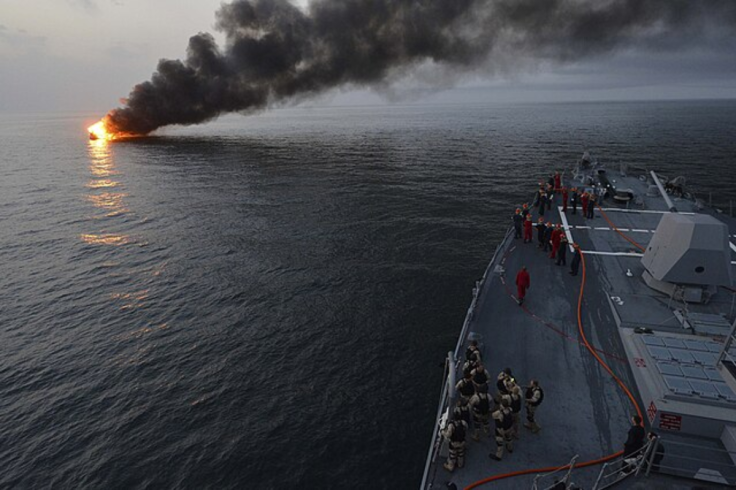
Iran's 10-point proposal to end the conflict with the United States and Israel has been described by Donald Trump as a 'workable basis' for negotiations, but key demands within the plan highlight why a final agreement remains uncertain.
The framework, delivered through intermediaries including Pakistan, sets out conditions for a permanent end to hostilities alongside the reopening of the Strait of Hormuz. According to reporting by The New York Times, the proposal includes guarantees that Iran will not be attacked, the lifting of US sanctions, and an end to military action involving Iran and its regional allies.
Posting on Truth Social on 8 April, Trump said he had agreed to suspend planned strikes for two weeks, calling it a 'double sided CEASEFIRE' tied to the reopening of the Strait. He added that the proposal formed 'a workable basis on which to negotiate' and said 'almost all' major points of contention had been addressed, though talks remain ongoing.
🚨 President Donald J. Trump makes a statement on Iran: pic.twitter.com/9mqTayL0Q3
— The White House (@WhiteHouse) April 7, 2026
Core Elements Of The Proposal
The reported proposal goes beyond a temporary ceasefire and calls for a permanent end to the war. It includes demands for a halt to all attacks on Iran, the removal of sanctions, and an end to Israeli military activity against Hezbollah in Lebanon.
It also sets out detailed conditions for reopening the Strait of Hormuz, including the introduction of a transit fee of around $2 million per vessel, with revenue shared with Oman and partly used to rebuild infrastructure damaged during the conflict.
A separate statement attributed to Iran's foreign ministry and shared by Trump said Iranian forces would cease operations if attacks stopped, and that safe passage through the strait could resume for a limited period under military coordination.
These terms outline a structured framework for de-escalation, but they also introduce conditions that would require significant concessions from multiple parties.
Key Points Of Disagreement
Several elements of the proposal remain contested. The demand for a permanent end to hostilities and guarantees against future attacks goes beyond the scope of a short-term ceasefire and would require long-term security commitments.
Here’s the 10 point peace plan found “acceptable” by Trump now circulating. Huge strategic defeat for the US, biggest loss since Vietnam. Shows the surge of Iran as the emerging 4th center of world power. pic.twitter.com/zrcNyWqhZj
— Robert A. Pape (@ProfessorPape) April 8, 2026
Calls for the removal of sanctions and an end to military action involving Iran's allies also present challenges for the United States and its partners. These issues are not directly addressed in existing US positions and remain central points of negotiation.
There is also a difference in how progress is being described. Trump has suggested that an agreement is close, while Iranian statements frame the proposal as conditional on further commitments.
Role Of The Strait Of Hormuz
The Strait of Hormuz remains central to the proposal and the wider conflict. The route carries around 20 per cent of global oil supply, and disruption has contributed to recent volatility in energy markets.
The inclusion of transit fees and coordinated passage arrangements reflects Iran's attempt to formalise control over the waterway while offering a pathway to reopening it. Any agreement on the strait would have immediate economic implications, though it would depend on broader acceptance of the proposal's terms.
Ongoing Negotiations
Talks in Muscat are continuing as both sides assess the framework and consider next steps. While the proposal has been described as a basis for negotiation, it includes conditions that extend beyond immediate de-escalation.
As a result, the plan outlines a possible route towards ending the conflict, but its feasibility depends on whether the United States and its allies are willing to accept the broader political and military concessions it requires.
© Copyright IBTimes 2026. All rights reserved.
- Recommended For You