Trump Tells UFC Star 'You Look So Good' — While Iran Peace Talks Implode in Pakistan
President Trump's UFC Appearance Raises Eyebrows Amidst Nuclear Negotiation Collapse
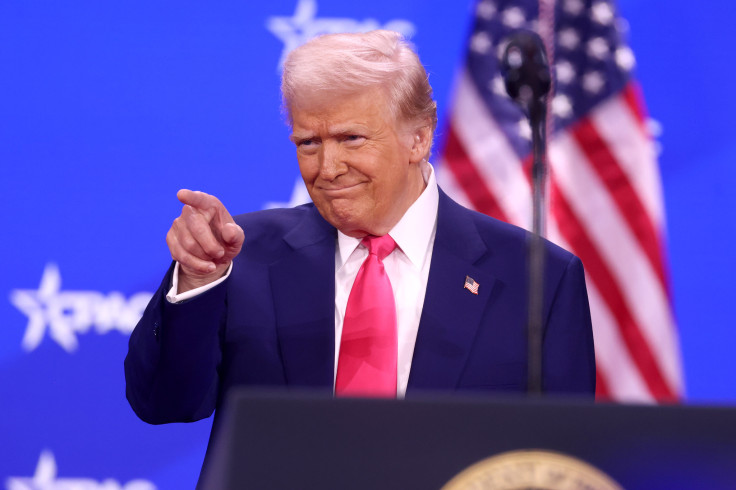
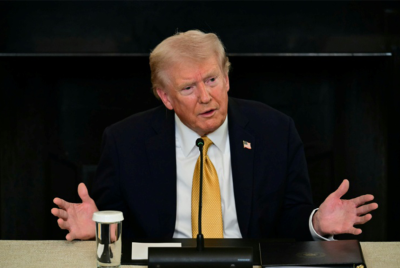
President Donald Trump spent his Saturday evening admiring a Brazilian mixed martial arts fighter in Florida. This occurred as his diplomatic team faced a breakdown in nuclear negotiations with Iranian officials.
The stark contrast between the president's leisure activities and the collapsing peace process has drawn international attention. While global security hangs in the balance ahead of a ceasefire deadline, the commander-in-chief appeared unfazed.
How Praise for Paulo Costa Overshadowed the Diplomatic Mission
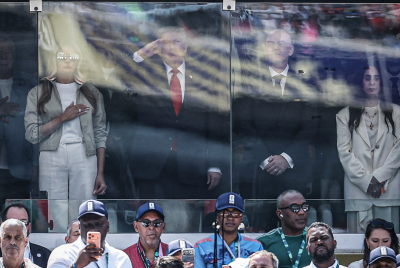
A video captured the 79-year-old president sitting ringside at UFC 327 in Miami. Trump struck up a conversation with 34-year-old Paulo Costa following the athlete's victory over Azamat Murzakanov.
The footage showed the president holding the fighter's hand and tapping his leg while offering praise. 'You're a beautiful guy. Great fight,' Trump told Costa during the interaction.
'You could be a model, you look so good,' the president continued. 'You're too good-looking to be a fighter.' He added, 'You are some fighter. Thank you, man.'
Secretary of State Marco Rubio also attended the sporting event, opting for the fights over overseas negotiations. Trump later amplified the interaction by sharing a clip of the encounter on Sunday.
'Congratulations to Paulo Costa on a Great UFC Fight last night in Miami,' Trump wrote online. 'He will absolutely be a future Champion. It was great talking to him outside the ring after his Big Victory last night in Miami!'
Why the Collapse of Nuclear Talks Threatens Global Security
As the president enjoyed the event, Vice President JD Vance engaged in a 21-hour negotiation session in Islamabad, Pakistan. The diplomatic mission aimed to secure a lasting peace agreement regarding the ongoing conflict.
The talks collapsed on Sunday when officials from Tehran rejected demands to abandon their nuclear weapons ambitions. Vice President Vance confirmed the failure shortly after the discussions concluded, outlining the strict parameters.
'We need to see an affirmative commitment that they will not seek a nuclear weapon, and they will not seek the tools that would enable them to quickly achieve a nuclear weapon,' the vice president explained. The delegation included Jared Kushner and Steve Witkoff.
While Vance noted that Iran refused the terms, he declined to specify the exact conditions that led to the rupture. Iranian Parliament speaker Mohammad Bagher Ghalibaf stated it was up to the United States 'to decide whether it can gain our trust or not.'
Donald Trump told Paulo Costa he’s too good looking to be a fighter 💀
— Happy Punch (@HappyPunch) April 12, 2026
“You’re a beautiful guy. You could be a model, you look so good.” pic.twitter.com/Xe7FRH0Sfa
How the 22 April Ceasefire Deadline Could Trigger a Blockade
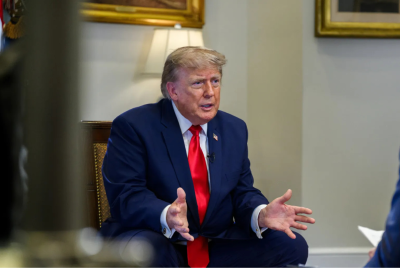
Despite the implications of the failed diplomatic mission, the president expressed indifference regarding the outcome in Islamabad. Speaking to the press on Saturday, Trump dismissed the necessity of a diplomatic resolution.
'I don't care,' the president stated bluntly. 'Whether we make a deal or not makes no difference to me.' This approach comes as the fragile ceasefire approaches its 22 April expiration date.
Rather than pursuing further diplomacy, the administration is pivoting toward aggressive military posturing in a critical maritime route. On Sunday, Trump announced severe naval measures targeting the Strait of Hormuz.
The president declared the military would begin blockading vessels attempting to enter or exit the vital waterway. According to news reports, naval forces will 'seek and interdict' commercial ships that have paid transit tolls to the Iranian government.
Trump punctuated this maritime strategy with a severe warning to Tehran regarding potential naval confrontations. 'Any Iranian who fires at us, or at peaceful vessels, will be BLOWN TO HELL!' he proclaimed.
© Copyright IBTimes 2026. All rights reserved.
- Recommended For You