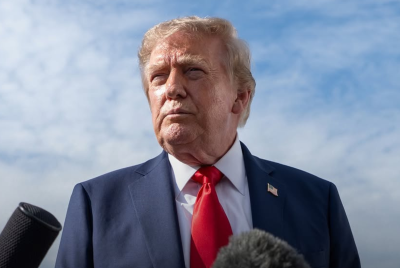
Trump's 'Perfect Statement' on Americans Financial Situation Leaves Republicans Worried
Republican leaders scramble to manage fallout from Trump's controversial economic remarks

Current political dynamics are fracturing as the autumn midterm elections approach. After telling reporters on 12 May 2026 that he is 'not thinking about' Americans' financial situation 'even a little bit,' Donald Trump drew immediate criticism from within his own party.
Trump subsequently described his earlier remarks as a 'perfect statement' during a broadcast interview, a characterisation that has left conservative lawmakers working to distance their campaigns from the comments ahead of the November midterms.
Why the 'Perfect Statement' Is Causing Panic on Capitol Hill
For several days, Republican officials worked to distance their campaigns from the president's economic remarks. Party leaders initially argued the comments were taken out of context by opposition researchers.
Congressional representatives assured voters that Trump never genuinely meant to ignore the financial realities facing households. Those efforts were further complicated when the full, unedited interview segment aired, showing Trump reaffirming his original phrasing and labelling his assessment a 'perfect statement.'
Speaker Mike Johnson told reporters he did not know the context in which Trump made the original comment. Representative Ralph Norman suggested the president was 'too busy' to focus on household finances. Neither offered a direct defence of the substance of Trump's remarks.
Echoes of the Past and the 'Perfect Phone Call' Parallel
The episode drew comparisons to earlier controversies that defined Trump's first administration. Analysts recalled his repeated description of his communications with Ukrainian leadership as a 'perfect phone call' — a characterisation that ultimately featured prominently in his first impeachment trial.
Repurposing that same terminology to describe his stance on domestic financial hardship is drawing concern among his wealthiest financial backers. Campaign strategists have said the phrasing leaves them with limited room to soften the message before November, particularly in competitive swing-state districts where economic anxiety is running high.
Campaign strategists suspect that embracing this defiant stance on core economic issues will actively alienate essential voting blocs across key swing states. The deliberate phrasing leaves communicators with practically zero room to soften the underlying message before ballots are cast.
Trump on saying Americans' financial situations don't matter:
— FactPost (@factpostnews) May 15, 2026
"That's right. That's a perfect statement. I'd make it again." pic.twitter.com/2IX7uUs3HF
How Polling Data Is Influencing the Upcoming Midterm Elections
This messaging difficulty arrives as Republican candidates face structural weakness in polling ahead of the midterms. Surveys consistently show economic stability and the cost of living as the top priorities for the electorate this year.
Concern is growing among conservative officials that projecting distance from voters' financial pressures could prove damaging at the ballot box. Some have expressed concern that the president may reiterate the position rather than walk it back ahead of a period when candidates are consolidating their electoral coalitions.
Republican campaign committees have not issued coordinated guidance on how candidates should address the remarks. The window to shift the narrative before November is narrow.
What Lawmakers Fear Next as the National Narrative Unfolds
The difficulty in containing the political fallout highlights a growing disconnect between the executive branch and congressional campaign committees. Establishing a unified messaging strategy has proved difficult while the president continues making remarks that contradict his primary defenders on core economic issues.
Republicans confronted with Trump's words on camera declined to directly address the substance of his comments, with several changing the subject or questioning the framing of reporters' questions. House Minority Leader Hakeem Jeffries said Trump and the GOP 'don't give a damn' about Americans' financial struggles.
Political observers will watch closely to see if the party can actually navigate this entirely self-inflicted obstacle without shedding more support. The coming weeks will ultimately determine if this recent broadcast turns into a defining moment that permanently shifts the balance of power in Washington.
© Copyright IBTimes 2026. All rights reserved.
- Recommended For You