

Andy Burnham's Cabinet Shake-up Explained: What Happened to Rachel Reeves and Other Starmer Allies?
The Cabinet reshuffle marks Burnham's first major move as UK Prime Minister
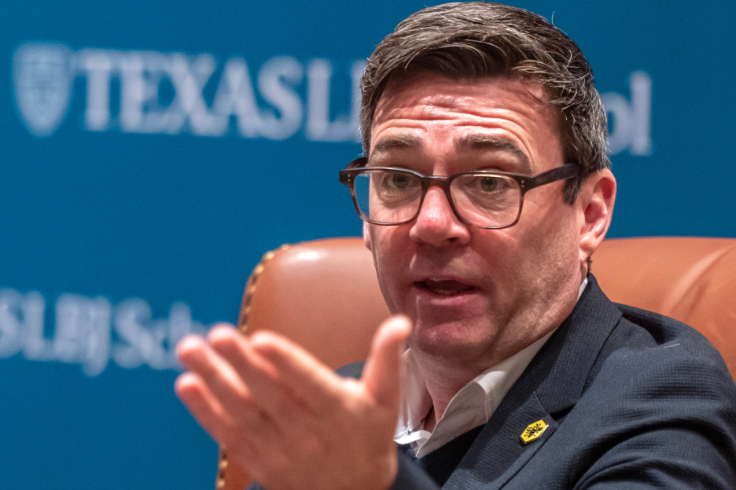
Prime Minister Andy Burnham unveiled his first cabinet on Monday after succeeding Sir Keir Starmer, appointing former defence secretary John Healey as chancellor while removing Rachel Reeves from the Treasury.
The reshuffle also reassigned several senior ministers, although a number of Starmer-era figures retained positions in Burnham's administration as the new prime minister sought to stamp his authority on government.
Why Rachel Reeves Left Burnham's Cabinet
Rachel Reeves, who served as Chancellor under Starmer, exited government after Burnham took office and announced a new ministerial team. Her departure marked one of the highest-profile changes in the reshuffle, with Healey replacing her at the Treasury.

However, Reeves publicly backed Burnham's new administration despite stepping down from government.
Healey's appointment came just weeks after he resigned as defence secretary during Starmer's premiership following disagreements over defence spending. Burnham's allies have described him as an experienced figure whose economic views closely align with the prime minister's plans for regional investment, fiscal discipline and long-term growth.
Who Stayed and Who Moved in Burnham's Cabinet?
Although Burnham made sweeping changes, several senior ministers from the previous government remained in Cabinet, albeit in different roles.
Shabana Mahmood kept her position as home secretary, while Pat McFadden remained secretary of state for work and pensions. Lisa Nandy also retained the culture brief.
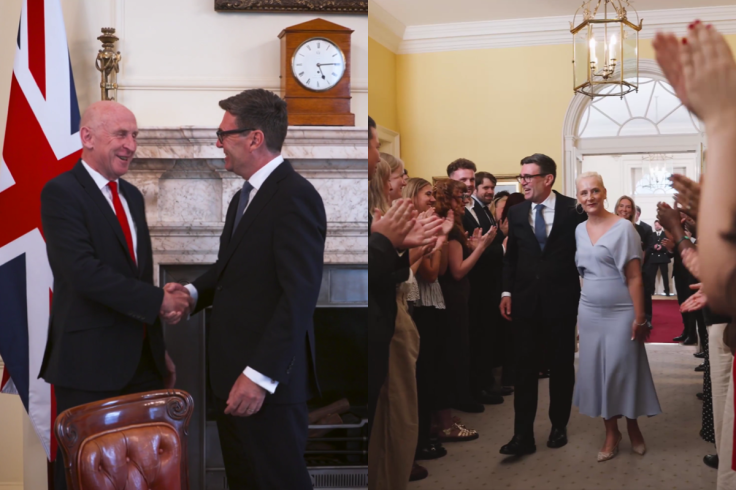
Elsewhere, Ed Miliband moved from energy secretary to foreign secretary, while Yvette Cooper shifted from foreign secretary to health secretary.
Angela Rayner returned to frontline government as housing secretary after previously leaving the cabinet, while Wes Streeting was appointed defence secretary. Meanwhile, Lucy Powell became education secretary, while Louise Haigh was named chancellor of the Duchy of Lancaster and first secretary of state.
The reshuffle also elevated several Burnham allies, including Anneliese Midgley as chief whip and Miatta Fahnbulleh as energy secretary.
Why Burnham Reshuffled the Cabinet
Burnham assumed office after Starmer resigned as Labour leader and prime minister, promising to end what he described as years of political instability and launch a new economic programme focused on decentralisation, public services and tackling the cost-of-living crisis.
Political analysts have interpreted the reshuffle as Burnham's effort to build a government around ministers who share his priorities rather than simply preserving Starmer's team. While several experienced figures stayed in government, key positions such as chancellor reflected Burnham's willingness to make significant personnel changes.
Burnham is expected to face immediate scrutiny over his first budget, with Healey now responsible for setting the government's economic direction amid continued pressure over inflation, public spending and growth. His Cabinet appointments are also likely to shape Labour's political direction as the new Prime Minister seeks to establish his own leadership after the Starmer era.
What Burnham's Cabinet Reshuffle Signals for Labour
The cabinet reshuffle marks Andy Burnham's first major attempt to establish his own political identity.
By moving trusted allies into key posts while retaining several experienced ministers from the previous government, Burnham has opted for a blend of continuity and change.
According to experts, the appointments are expected to shape Labour's approach to the economy, public services, devolution and defence, while also signalling how the party intends to govern under its new leadership.
© Copyright IBTimes 2026. All rights reserved.