

Day One Promise Delivered: PM Andy Burnham Cuts Electricity Tax for Immediate Relief
UK households will see reduced electricity bills as VAT is abolished, saving around £45 annually. The move, funded by cancelling the Digital ID programme, aims to ease cost-of-living pressures.
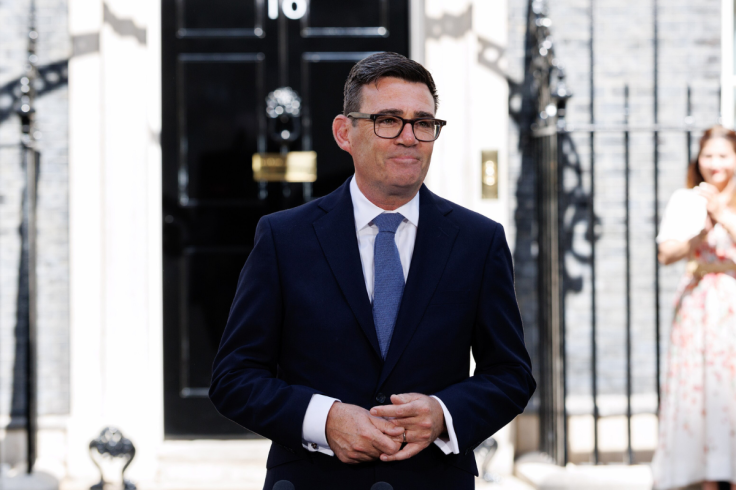
Millions of households across the UK will see their electricity bills fall from 1 October after Prime Minister Andy Burnham abolished VAT on domestic electricity bills on his first day in office, delivering on his pledge to begin easing the country's cost-of-living pressures with immediate action.
The move will cut around £45 from the annual Ofgem price cap, adding to the £150 already removed from energy bills at the last Budget. Announced within hours of Burnham entering Downing Street, the measure is intended to provide families with extra financial breathing room before winter, when energy costs typically become a greater burden.
The government said the tax cut is fully funded for the current financial year through the cancellation of the £1.8 billion Digital ID programme.
Any further support, including longer-term funding decisions, will be considered at the Budget alongside an Office for Budget Responsibility (OBR) forecast, while remaining consistent with the government's fiscal rules.
'We're taking immediate action to cut taxes on energy bills, put more money in people's pockets and bring back hope,' Burnham said.
Electricity VAT Cut To Benefit Households and Organisations
The removal of VAT from domestic electricity bills is expected to benefit millions of households struggling with the cost of living by reducing energy bills ahead of winter. The government believes the measure will particularly help lower-income families, who spend a larger proportion of their income on household energy.
Energy suppliers are expected to pass the VAT reduction on to all customers, including those on fixed tariffs, as they did following the £150 reduction announced at the last Budget.
The relief will also extend to small businesses that qualify for domestic energy VAT relief but are not registered for VAT. Eligible charities and residential care homes receiving the reduced rate will also benefit from the change.
John Healey MP, Chancellor of the Exchequer, said the decision would ease pressure on household budgets while supporting the wider economy.
'Today's energy tax cut will give families some breathing room on bills and provide some reassurance this winter,' Healey said.
'This measure is funded this year from cancelling the Digital ID programme, and it will help bring down inflation while supporting households in every postcode.'
The cost of living has dominated daily life for many people in recent years, with rising household expenses limiting how families spend their money. Burnham has previously said financial pressures have left many unable to afford everyday activities such as going out for a pint, taking their children out or going on holiday. By reducing electricity bills before winter, the government hopes to ease some of that pressure while helping to keep inflation down.
Burnham Hints at Broader Tax Reforms
Although the electricity VAT cut represents Burnham's first major policy decision as Prime Minister, he has indicated that wider tax reforms could follow.
He has maintained Labour's commitment not to raise the main rates of income tax, National Insurance or VAT. However, he has suggested reviewing other parts of the tax system, including allowing people to earn more before paying income tax by increasing the personal allowance.
Speaking on his first day in office, Burnham acknowledged that such a change would be difficult under the current economic conditions.
Income tax and National Insurance thresholds remain frozen until April 2031 in England, Wales and Northern Ireland, meaning a greater proportion of earnings becomes taxable as incomes rise. Reversing part of that policy would require either alternative sources of revenue or additional borrowing.
Burnham has also suggested that some people could be asked to pay 'a little bit more' in tax while keeping Labour's pledge not to increase the main rates of income tax, National Insurance or VAT.
While any broader tax reforms will take time and require difficult funding decisions, the government's first action has already been set. From 1 October, millions of households will begin benefiting from lower electricity bills, marking Burnham's opening move in delivering his promise to tackle the cost of living.
© Copyright IBTimes 2026. All rights reserved.