

'Plainly Discriminatory:' Language Experts Slam Reform UK's Plan to Criminalise Non-English Election Materials
Reform UK says the policy would strengthen democracy and promote integration
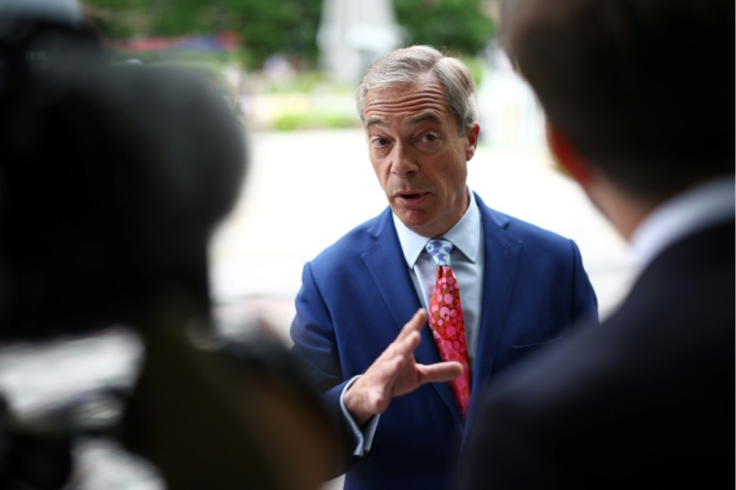
Reform UK's proposal to make it a criminal offence to publish election campaign material in languages other than English or Welsh has drawn fierce criticism from language experts, politicians and civil rights campaigners, who argue the plan would discriminate against minority communities and undermine democratic participation.
According to reports, the controversial amendment, tabled by Reform UK deputy leader Richard Tice and backed by all of the party's MPs, would introduce penalties of up to six months in prison and fines for candidates or parties distributing election literature in languages outside English or Welsh.
Critics say the proposal could criminalise campaign materials in Irish, Scottish Gaelic, Cornish and a range of community languages spoken by British citizens.
Experts Call Proposal 'Plainly Discriminatory'
The amendment to the Representation of the People Bill has sparked immediate backlash from linguists and legal experts, who argue it goes far beyond encouraging the use of English.
Language expert and author Sophia Smith Galer described the proposal as 'plainly discriminatory,' saying it targets both Britain's indigenous languages and multilingual communities.
'It's discriminatory not only to the other indigenous languages of the UK affected by this... but also to individuals who could be publishing political literature in any of the migrant languages that also have a home here,' she told Byline Times.
Galer also argued the proposal reflects a wider attempt to portray multilingualism as a problem rather than an asset, warning that restricting political communication based on language would be highly unusual in Western Europe.
Reform UK says the policy is designed to ensure voters understand campaign messages while promoting integration and protecting the English language. The party has made language and cultural integration a key part of its wider immigration platform.
Cornish And Gaelic Campaigns Face Criminal Risk
Opposition to the proposal has come from across the UK, particularly in regions where minority languages are officially recognised.
Five Cornwall MPs issued a joint statement condemning the amendment, saying it amounts to 'a direct attack on the Cornish language, identity and culture' after Kernewek received enhanced legal recognition earlier this year.
The Scottish National Party also criticised the proposal, warning that it could criminalise election materials featuring Scots or Scottish Gaelic. In Northern Ireland, Irish language advocates argued the measure could conflict with protections established under the Good Friday Agreement.
Julian de Spáinn, general secretary of Conradh na Gaeilge, described the proposal as 'very small minded,' arguing that it ignores the legal status of Irish in Northern Ireland and risks creating unnecessary conflict.
Meanwhile, Mebyon Kernow, the Cornish nationalist party, said the amendment is so broad that even its own party name could become illegal on election materials because it is written in Cornish.
Proposal Faces Legal And Political Scrutiny
Legal experts have also questioned whether the proposal could withstand challenges under the Equality Act 2010, human rights protections and the European Charter for Regional or Minority Languages, which the UK ratified in 2001.
Meanwhile, conservative MPs have proposed a separate amendment that would restrict foreign-language campaign materials while explicitly protecting indigenous UK languages such as Cornish, Irish, Scottish Gaelic and Ulster Scots.
The Representation of the People Bill has reportedly been delayed until September, giving ministers additional time to review amendments before Parliament resumes debate.
For now, Reform UK's proposal remains a campaign amendment rather than government policy. However, the controversy has intensified debate over language rights, democratic access and cultural identity ahead of future elections, with experts warning that restricting multilingual election materials could disenfranchise voters rather than strengthen democracy.
© Copyright IBTimes 2026. All rights reserved.