

US Officials Fear Netanyahu Chemical Weapons Claim Looks Like the 2002 Iraq WMD Playbook All Over Again
Gulf governments also rejected the warning, and Israel's briefings came with no evidence
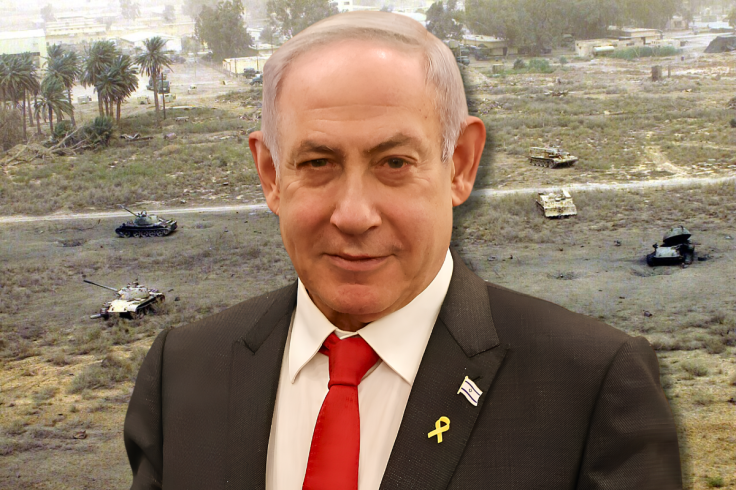
Some US officials fear they're watching the 2002 Iraq playbook replay, after Israel warned Washington this month that Iran may be preparing chemical weapons, intelligence several American officials privately distrust as a push to drag Trump back into war.
Washington Doubts Its Own Ally
The warning, first reported by The New York Times on 3 November, has divided the US government rather than uniting it against a common enemy. Some officials want Washington to treat the threat as real and urgent.
Others see something more cynical, an effort by Prime Minister Benjamin Netanyahu's government to pull President Donald Trump's administration back into large-scale military operations against Tehran.
That suspicion is the real story. It isn't Iran that a bloc of American officials distrust right now. It's the ally handing them the intelligence. That raises uncomfortable questions about Israel's motives.
The Ghost of Iraq 2002
For those officials, the chemical weapons talk revived one of the most painful episodes in modern US history.
Before the 2003 invasion, intelligence agencies told George W. Bush's White House their assessment that Iraq held weapons of mass destruction was ironclad. It wasn't.
Post-war investigations found Iraq had destroyed almost all of its prohibited chemical stockpile in 1991 and never rebuilt a significant arsenal. Nearly 4,500 American troops died in a war sold on weapons that didn't exist.
What Israel Says Iran Is Building
According to the Times, Israeli intelligence told its US counterparts that Iran may be developing missile technology to deliver chemical agents and exploring ways to smuggle them into enemy countries.
Netanyahu's government framed the chemical threat as more urgent than Iran's nuclear programme, a marked shift after years of warnings centred on uranium.
Yet the claims describe possible preparations, not a confirmed decision by Iran's leadership to attack. Iran has repeatedly denied holding chemical weapons and dismissed the allegations as psychological warfare.
Netanyahu has pushed this line in public before. In a July interview on Newsmax, he said of Iran, 'They definitely have chemical weapons', calling it another threat Tehran poses.
Gulf States Aren't Convinced
Israel shared its findings with Gulf governments too, and several reportedly expressed similar doubts. A regional official told the Times that Israeli representatives described Iranian efforts to make chemical weapons operational without providing supporting evidence.
Israel's Home Front Command had not emphasised chemical scenarios in its emergency drills, a quiet detail that sits awkwardly beside the urgency of the warning.
What the public record actually shows is thinner than the alarm suggests. The 2024 US Annual Threat Assessment said Iran probably aims to keep researching chemical and biological agents, an assessment of possible offensive research, not proof of an operational arsenal. No disclosed evidence shows Iran's leaders have ordered a chemical attack.
The timing sharpens every question. US Central Command reportedly prepared options for fresh strikes on Iran as early as 4 November, with three aircraft carriers already in the region.
Americans who lived through 2002 know how this sequence can end, and this time a growing number of officials inside their own government are the ones raising the alarm. The historical parallels are difficult to ignore.
© Copyright IBTimes 2026. All rights reserved.