Why Trump's Decision to Cancel VA Home Loan Rescue Is Pushing Veterans Toward Foreclosure
The abrupt end of a VA mortgage relief program leaves thousands of veterans facing foreclosure.
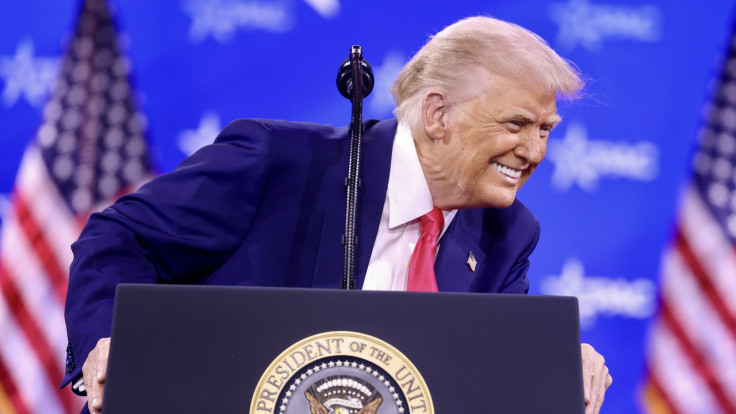
Thousands of US military veterans are facing the loss of their homes as a crisis tied to the Department of Veterans Affairs' mortgage system deepens, following Donald Trump's cancellation of a key rescue program that once helped struggling borrowers stay afloat.
Trump Administration Scraps VA Mortgage Relief Program, Sparking Veteran Housing Crisis
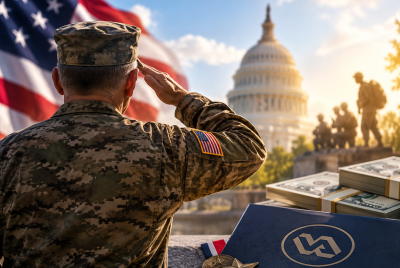
The issue centres on VA-backed home loans, a long-standing benefit designed to help veterans achieve homeownership with favourable terms, including low or no down payments. The US Department of Veterans Affairs guarantees these loans, but does not issue them directly, instead working with private lenders to support eligible borrowers.
Problems began to intensify after pandemic-era relief measures ended. During COVID-19, many veterans were allowed to pause mortgage payments through forbearance programs. However, when a key policy expired in 2022, thousands were suddenly required to repay missed payments in lump sums, which is an option many could not afford.
In response to mounting pressure, the VA introduced a rescue initiative known as the Veterans Affairs Servicing Purchase (VASP) program. The program offered a lifeline by restructuring loans into new, low-interest mortgages, which were sometimes as low as 2.5%. This way, the program was able to help more than 30,000 veterans avoid foreclosure.
Unfortunately, the relief was short-lived. In May 2025, the program was abruptly shut down by the Trump administration, reportedly over concerns about long-term costs. The decision left tens of thousands of veterans without access to the same protections, particularly those who had not yet enrolled.
The impact has been severe. According to recent estimates, around 90,000 veterans are now behind on their mortgages or already in the foreclosure process. Without the VASP program, many borrowers are left with limited options. They can either accept higher-interest loan modifications, sell their homes, or face foreclosure.
What Happens Now?
For some, the consequences have already become reality. Families say they were caught in a bureaucratic maze that prevented them from resuming payments. After years of attempting to navigate the system, their home was ultimately foreclosed.
Compounding the issue is the structure of alternative solutions. Loan modifications—often the only available option—can significantly increase monthly payments due to higher interest rates. With mortgage rates hovering between 6% and 7%, many veterans who originally secured lower rates are finding new terms unaffordable.
Housing advocates and industry experts warn that veterans are now at a disadvantage compared to other homeowners. Borrowers with loans backed by agencies like Fannie Mae or Freddie Mac still have access to more flexible relief options that do not necessarily raise monthly payments. Veterans, by contrast, face stricter and often costlier pathways to recovery.
The VA has acknowledged the challenges and says a new assistance program is in development. The proposed plan would allow borrowers to move missed payments to the end of their loan term, helping them regain current status without drastically increasing monthly costs. However, the program is not expected to be operational for several months, leaving a critical gap in support.
In the meantime, advocates are urging lenders to pause foreclosures until new protections are in place. Without immediate intervention, many warn that thousands more veterans could lose their homes. Ironically, it proves that one of the most significant benefits offered to those who have served may never be fulfilled.
© Copyright IBTimes 2026. All rights reserved.
- Recommended For You