

Walmart Ice Cream Brand Files Bankruptcy: Rebel Creamery Owes $23.8M Over Copied Packaging
Rebel Creamery files for Chapter 11 bankruptcy after a federal judge ordered it to pay $23.8 million to Van Leeuwen for copying ice cream packaging sold at Walmart, Target and Kroger
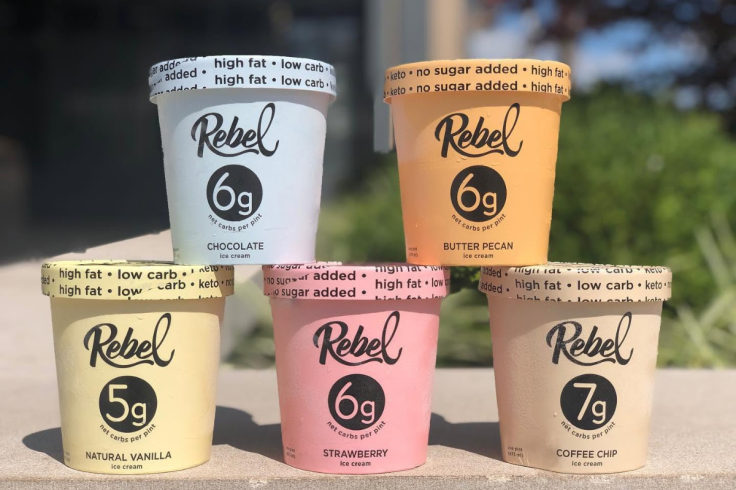
Rebel Creamery, the Utah-based low-carb ice cream brand sold at Walmart, Target and Kroger, has filed for Chapter 11 bankruptcy protection weeks after a federal judge ordered it to surrender nearly $23.8 million £17.6 million) in profits to rival Van Leeuwen over an ice cream packaging dispute.
The filing, lodged on 14 August in the US Bankruptcy Court for the District of Utah, lists between $10 million (£7.4 million) and $50 million (£37.1 million) in both assets and liabilities. Van Leeuwen is listed among Rebel's unsecured creditors with a disputed $23.785 million (£17.6 million) claim that Rebel is appealing.
Rebel Creamery Bankruptcy Filing Follows $23.8M (£17.6M) Packaging Judgment
The bankruptcy follows a five-year legal battle that began in 2021, when Brooklyn-based Van Leeuwen Ice Cream sued Rebel over what it alleged was deliberate copying of its distinctive pint packaging.
On 16 July, US District Judge Eric Komitee ruled in Van Leeuwen's favour after a bench trial, finding Rebel liable for trade dress infringement, unfair competition and dilution. The dispute centred on Van Leeuwen's distinctive packaging, which combines monochromatic pastel cardboard pints, matching lids, minimalist designs and black cursive lettering.
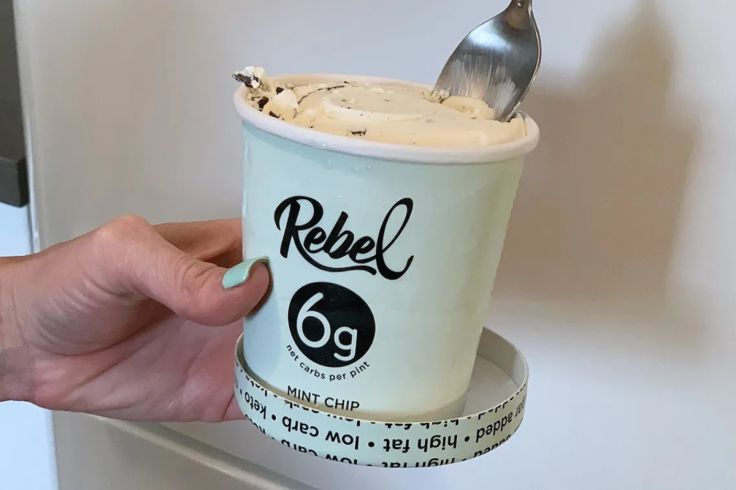
Komitee found that Rebel used a near-identical colour scheme and script, with relatively minor differences used to communicate dietary information. The judge concluded that the similarities were likely to confuse consumers and that Rebel had copied the packaging intentionally.
The court ordered Rebel to stop selling products bearing trade dress likely to be confused with Van Leeuwen's and required the company to redesign its packaging to create a 'substantially different commercial impression'.
Van Leeuwen was also awarded $23.785 million (£17.6 million) in disgorged profits from Rebel's sales of the infringing products.
'The evidence at that trial left no doubt that Rebel infringed and diluted Van Leeuwen's trade dress and did so intentionally,' Komitee wrote.
Rebel disputed the allegations during the litigation, arguing that its founders were unaware of Van Leeuwen's packaging when developing their own design. The court rejected that account. Rebel filed a notice of appeal on 12 August, two days before seeking Chapter 11 protection.
What Rebel Creamery Bankruptcy Means for Shoppers and Creditors
For customers buying Rebel's keto-friendly ice cream at major US retailers, the Chapter 11 filing does not by itself mean the company is shutting down. Chapter 11 generally allows a business to continue operating while restructuring its debts under bankruptcy-court supervision.
The filing also triggers an automatic stay that generally prevents creditors from pursuing collection of pre-bankruptcy debts without permission from the bankruptcy court. Van Leeuwen's $23.785 million (£17.6 million) judgment is listed in Rebel's bankruptcy filing as a disputed unsecured claim that remains subject to appeal.
The bankruptcy filing should not, however, be interpreted as automatically cancelling the separate injunction governing Rebel's packaging. The precise effect of Chapter 11 on that order and the ongoing appeal will depend on further proceedings in the bankruptcy and appellate courts.
Court records show the underlying case concerned 'trade dress', the distinctive overall appearance of a product or its packaging that can identify its commercial source.
Van Leeuwen argued that the combination of its packaging elements had become associated with its brand. Following trial, the court agreed that the trade dress was protectable and that Rebel's packaging created a likelihood of consumer confusion.
Why Rebel Was Ordered to Surrender $23.8m
The $23.785 million (£17.6 million) award was not calculated simply as compensation for Van Leeuwen's lost ice cream sales. Instead, the court ordered disgorgement of Rebel's profits from sales of the infringing pints.
The judge reduced the amount attributable to Rebel's infringing sales by 33%, finding that factors unrelated to the packaging, including broader demand for ketogenic products, contributed to the company's sales. The resulting award was $23.785 million (£17.6 million).
That distinction matters because disgorgement focuses on profits earned by the infringer rather than requiring the competing brand to demonstrate that every sale would otherwise have gone to it.
The bankruptcy now adds another layer to the dispute. Van Leeuwen appears in Rebel's filing as an unsecured creditor, but its claim is marked as disputed because Rebel is appealing the underlying judgment.
It remains unclear how much creditors will ultimately recover, whether Rebel will successfully reorganise or what effect its appeal could have on Van Leeuwen's claim.
For Rebel, Chapter 11 now offers an opportunity to restructure while attempting to keep the business operating. But the company must navigate bankruptcy proceedings at the same time as it challenges one of the largest liabilities on its books. The nearly $23.8 million (£17.6 million) judgment arising from the packaging that helped put its ice cream on freezer shelves nationwide.
© Copyright IBTimes 2026. All rights reserved.