

Bad Bunny's Lawyer Claims Reggaeton Lawsuit Threatening 1,800 Songs 'Assembled a Frankenstein'
In a Los Angeles courtroom, the global sound of reggaeton is on trial over who, if anyone, owns its heartbeat
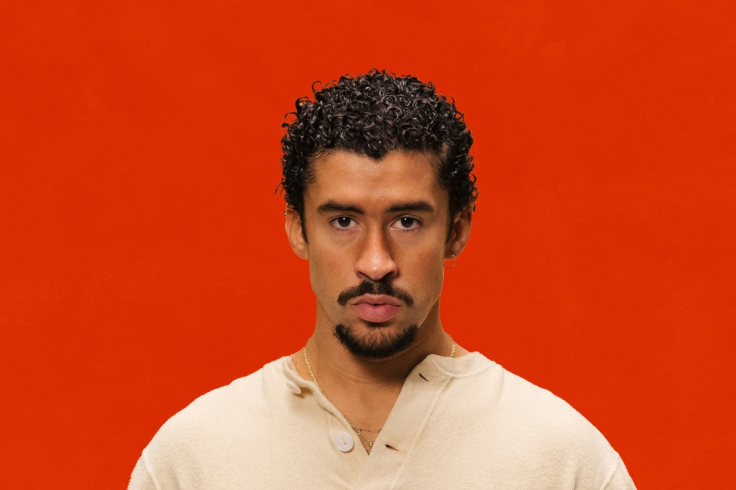
Bad Bunny was back in a Los Angeles federal courtroom on Friday, as his lawyers urged a judge to rethink a ruling that leaves copyright claims involving nearly 2,000 reggaeton tracks by more than 150 artists, including Drake and Karol G, potentially heading towards a major trial over a Jamaican rhythm first recorded in 1989.
US District Judge André Birotte Jr. ruled on 1 July that a jury must decide key questions over the originality and copyright protection claimed for musical elements associated with Fish Market, a track by Jamaican duo Steely & Clevie. The producers and their representatives claim Fish Market is the original source of reggaeton's dembow rhythm, the percussive backbone that underpins much of the genre and helped propel artists like Bad Bunny from local radio to global stadium tours.
At stake is not just money, but the legal status of musical elements that have been recycled, borrowed and reimagined for three decades. If the plaintiffs ultimately prevail on their infringement claims, the case could have major implications for the use of rhythmic patterns that many musicians regard as part of the shared language of Caribbean and Latin music.
Bad Bunny Team Says 'Frankenstein' Beat Never Existed
Bad Bunny's legal team led the pushback. It was his lawyers who filed the motion asking Judge Birotte to reconsider his July decision, with counsel for other defendants later supporting the effort.
Their core complaint is straightforward enough. They say the judge based his ruling on something that does not actually exist in any one copyrighted work owned by the plaintiffs. The supposedly protectable 'Fish Market Elements'—a collection of musical elements the plaintiffs say forms a distinctive selection and arrangement—are, the defence claims, stitched together from scattered parts of different recordings.
Bad Bunny's lawyers argued in their filing that Cleveland 'Clevie' Browne had acknowledged under oath that the two-measure timbale loop central to the claim was taken from two different segments of Fish Market, located about 20 bars apart.
The defence further argues that elements relied upon by the plaintiffs extend across Fish Market, Dem Bow and Pounder (Dub Mix II), rather than appearing together in a single work. That distinction matters because the motion argues that Pounder is asserted only through a sound-recording copyright, which protects the recording itself rather than giving the plaintiffs composition rights over every underlying musical element.
Freundlich argued in the defendants' filings that a protectable selection and arrangement cannot be based on elements pieced together from separate works. In written filings, Bad Bunny's lawyers memorably accused the plaintiffs of having 'assembled a 'Frankenstein' across three separate songs.'
Judge Grills Lawyers on Whether Bad Bunny Beat Is Real
Judge Birotte has previously questioned the defendants and plaintiffs over the complicated musicological dispute at the centre of the case. His July ruling ultimately concluded that competing expert testimony created factual disputes that could not be resolved at the summary judgment stage.
At an earlier hearing, Birotte questioned whether any single work contained all of the claimed 'Fish Market Elements,' an issue Bad Bunny's lawyers have now placed at the centre of their reconsideration request.
The plaintiffs, however, maintain that Fish Market contains an original and protectable selection and arrangement of musical elements and dispute the defence's characterisation of their claim as an artificial combination of different works.
Freundlich has argued that the plaintiffs' position conflicts with Browne's testimony about where the relevant timbale elements appear in Fish Market. For the defence, the case involves an attempt to claim exclusive rights over a combination of rhythmic elements that, it says, cannot be located together in any single copyrighted composition owned by the plaintiffs.
Plaintiffs' attorney Stephen Doniger has rejected the defence's 'Frankenstein' characterisation. After Bad Bunny filed the reconsideration motion, Doniger described the defendants' argument as a 'false narrative' and said they had offered no proper basis for reconsideration.
The plaintiffs' broader position is that their selection and arrangement of percussion, drum and bass elements is sufficiently original to qualify for copyright protection. The defendants counter that those elements are commonplace musical building blocks that cannot be monopolised through copyright. Judge Birotte's July order found enough disagreement between the competing experts to leave those questions for a jury.
Reggaeton Stars Want Out Before '2035'
Beyond the arcane discussion of bars and timbales, there is the sheer scale of what a trial would entail. Bad Bunny's motion not only asks Judge Birotte to reverse his July ruling but, failing that, to let the defendants seek an immediate appeal before the Ninth Circuit rather than plough into full discovery.
His lawyers argue that resolving the threshold copyright question now could avoid a substantial-similarity analysis involving more than 1,000 works, potentially saving years of litigation. With the broader consolidated litigation involving more than 150 artists and nearly 2,000 tracks, the scale of discovery and expert analysis could be enormous.
Bad Bunny has already denied infringing Steely & Clevie's work on tracks implicated in the litigation, with songs including Tití Me Preguntó among those potentially subject to the next phase of analysis. Nothing in court on Friday altered that stance.
For now, his camp is focused on stopping the case from turning into an industry-wide reckoning over a rhythm many musicians and defendants argue should not be controlled by a single copyright claim.

Whatever Judge Birotte decides on the reconsideration request, the lawsuit is not necessarily going away. Even if he scales back the composition claims tied to Fish Market, separate allegations over unauthorised sampling of sound recordings owned by the plaintiffs could remain to be litigated, as Bad Bunny's own motion acknowledges.
Until the court draws a clearer line between unprotectable musical building blocks, protectable original arrangements and unlawful copying, the dembow beat will carry a legal question mark that hangs over some of the biggest songs in Latin music.
© Copyright IBTimes 2026. All rights reserved.