How Can Amazon Shoppers Receive Automatic Refunds From the $600 Million Tariff Reimbursement?
A rare corporate windfall is trickling back to Amazon shoppers, but on terms only Amazon itself can fully see.
Amazon shoppers in the UK and elsewhere could soon see unexpected refunds land in their accounts after the tech giant confirmed it has received a $600 million tariff reimbursement and plans to return part of it directly to customers.
The pledge was outlined this week by Amazon's chief financial officer, Brian Olsavsky, during the company's second-quarter earnings call.
The refund relates to import tariffs that had been baked into the cost of goods over several years. Olsavsky told investors that Amazon had 'largely absorbed' those higher costs itself instead of pushing them on to Amazon shoppers, but accepted there were cases where extra import charges did feed into prices paid at the checkout.
The refund from authorities has now prompted a review of those charges and how much of the $600 million pot can be traced back to individual orders.
How Amazon Shoppers Might Get Their Tariff Cash Back
The key detail for Amazon shoppers is that there will be no application form, no claims process and no online portal to navigate.
According to Olsavsky, Amazon has identified a 'limited set of circumstances' where it can link specific tariff payments directly to what a customer was charged for an item. In those instances, the company says it will contact affected customers itself and issue automatic refunds.
Amazon has not disclosed which products, categories or time periods are in scope. The company has also declined to say when any refunds will actually be paid, or how much money a typical shopper might receive. Nothing is confirmed yet, so everything should be taken with a grain of salt until Amazon publishes more concrete guidance.
The refund will never show up as a line item in their order history. Instead, management says the remaining share of the $600 million will be used in a more diffuse way, by 'keeping prices low' across the platform rather than sending out individual payments. It is a neat framing, but also a vague one. Even seasoned Amazon shoppers will find it almost impossible to tell whether a lower price on a future purchase is meaningfully tied to the tariff refund or to the company's usual pricing wars.
The lack of specificity is not especially surprising. Tariff regimes are complex, and Amazon's marketplace has its own layers.
More than 60 per cent of sales on the site now come from third-party sellers, who often act as their own importers of record. Olsavsky argued that this structure is one reason the company's reimbursement figure looks comparatively modest. Amazon, he suggested, stocked up on inventory in advance and was not the legal importer for many of the products affected by the tariffs in the first place, which limited the scale of charges it could reclaim.
Limited Scope Means Most Amazon Shoppers May Never See a Refund
The upshot is that only a small fraction of Amazon shoppers are likely to be eligible for direct tariff refunds. The company's own language about a 'limited set of circumstances' hints at a narrow pool, probably centred on items Amazon itself imported and where the cost impact of tariffs can be cleanly separated out.
Customers who suspect they overpaid on certain goods will not, for now, have any mechanism to challenge that or request a review. Amazon is explicit that this is not a claims programme. The process runs one way: the company's internal systems identify qualifying orders, and Amazon then reaches out if a refund is due. If no email comes, there is no appeal route.
That closed approach will not satisfy everyone, but Amazon looks generous when set against at least one rival. Nintendo, which also received a tariff refund, has reportedly resisted calls to share it with customers at all. Its lawyers argued that buyers unhappy with prices at the time had the straightforward option not to purchase the product. It is a blunt line of reasoning that underscores how discretionary these consumer refunds really are.
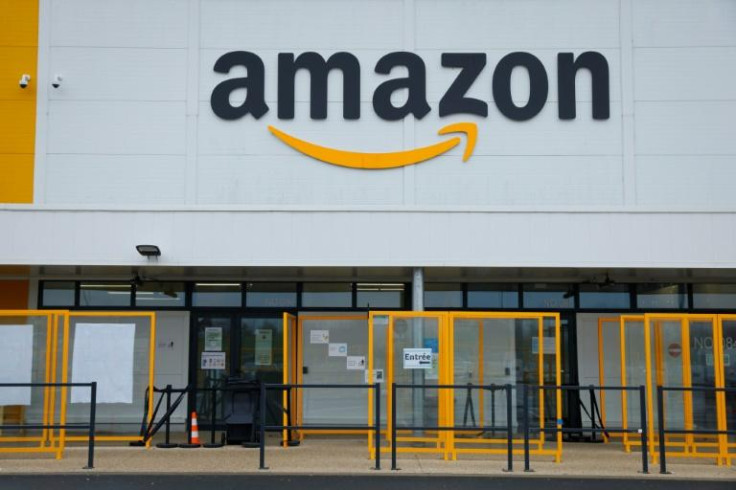
By contrast, Amazon is at least keen to cast itself as the platform that absorbed costs on behalf of users. The narrative is clear enough. The company took a hit when tariffs rose, did not fully pass that on to Amazon shoppers, and now wants some credit for sharing the reimbursement where it can. Whether the sums involved in individual refunds will live up to that pitch is an open question.
In the meantime, shoppers should temper expectations. There is no public list of qualifying orders, no published timetable and no official estimate of how much of the $600 million pool is earmarked for direct payouts rather than general price support. Until those details emerge, the promise of automatic refunds remains more of a broad corporate gesture than a guaranteed windfall for regular Amazon users.
© Copyright IBTimes 2026. All rights reserved.
- Recommended For You