

Senator Mark Warner Warns Trump's Medicaid Cuts Could Leave Millions of Americans Without Health Coverage
The Virginia Democrat renewed his call for universal healthcare as critics and the Trump administration offered competing assessments of the legislation's effects
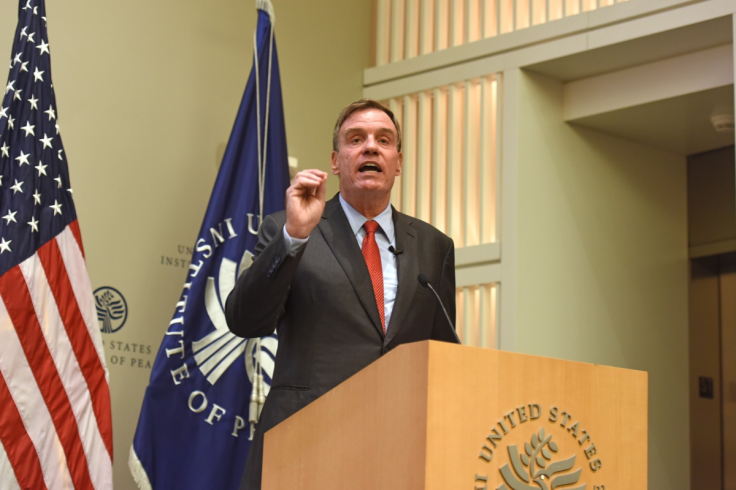
Medicaid changes in Donald Trump's healthcare law could leave 7.5 million more Americans uninsured by 2034, according to Congressional Budget Office estimates. On Monday, 23 November, Democratic Senator Mark Warner of Virginia warned that the changes could strip millions of people of health coverage.
'Trump's Medicaid cuts will strip millions of Americans of their health care coverage,' Warner wrote on X.
He renewed his call for universal healthcare, arguing that access to treatment should not depend on whether someone can afford the bill.
Trump’s Medicaid cuts will strip millions of Americans of their health care coverage. I’ve said it before, and I’ll say it again: We need to move toward universal health care. No American should go without the care they need simply because they can’t afford it.
— Mark Warner (@MarkWarner) November 23, 2026
'I've said it before, and I'll say it again: We need to move toward universal health care,' the senator added. He also said: 'No American should go without the care they need simply because they can't afford it.'
Warner's comments come amid debate over the potential effects of the legislation on low-income households and people who rely on government assistance to access healthcare.
Why Are Trump's Medicaid Changes Causing Concern?
The dispute centres on the Republican-backed One Big Beautiful Bill Act, which Trump signed into law on 4 July 2025. The legislation changes federal healthcare spending, including projected reductions in funding for Medicaid and the Children's Health Insurance Program (CHIP).
A KFF analysis projects that the law will reduce federal Medicaid spending by about $911 billion (£699 billion) over the decade from 2025 to 2034, compared with previous spending projections.
The Congressional Budget Office estimated that the law's broader health coverage provisions could increase the number of uninsured Americans by 10 million by 2034, including an estimated 7.5 million as a result of its Medicaid provisions.
A March 2026 Public Citizen report identified 446 US hospitals as being at heightened risk of closure or reduced services because of Medicaid cuts under the legislation. Together, the hospitals served approximately 6.6 million patients in 2024 and employed around 275,000 direct patient-care workers.
The report said many of the facilities served communities with higher poverty rates, and classified 176 of the hospitals as rural.
Warner Is Not the Only Senator Raising the Alarm
Republican Senator Thom Tillis of North Carolina has warned of 'significant headwinds' from healthcare reductions in the tax and spending legislation. Tillis, who is due to leave the Senate in January 2027, said some effects of the policy could influence the 2029 election.
Democratic Senator Patty Murray of Washington criticised President Donald Trump and congressional Republicans over rising healthcare costs. Referring to the expiration of enhanced Affordable Care Act tax credits, she said some families had seen their insurance premiums 'double, triple or even worse'.
Michigan senator-elect Abdul El-Sayed said Medicaid reductions could increase financial pressure on hospitals.
He argued that hospitals facing higher costs from unpaid emergency care could pass some of the burden to insured patients, potentially pushing insurance premiums up by double digits. Those figures were El-Sayed's projections and have not been independently confirmed.
Healthcare Battle Could Intensify Under Trump
The US Department of Health and Human Services (HHS) said in a statement on 23 November that 92.1 per cent of projected savings from Medicaid state-directed payments between 2026 and 2035 would come from limiting future spending growth, rather than reducing spending below 2025 levels.
HHS also said rural hospitals received 7.8 per cent of Medicaid state-directed payments in 2025. The department cited the figure in arguing that the payments were not primarily directed towards rural facilities.
The department's assessment differs from warnings by critics, including Senator Mark Warner, that the law's Medicaid provisions could reduce access to healthcare.
© Copyright IBTimes 2026. All rights reserved.