

Germany Expresses Concern Over Reports of Russia's Alleged Nuclear Space Weapon Amid Sputnik-S Launch Rumour
Berlin says it is taking the reports seriously, while Moscow dismisses the allegations
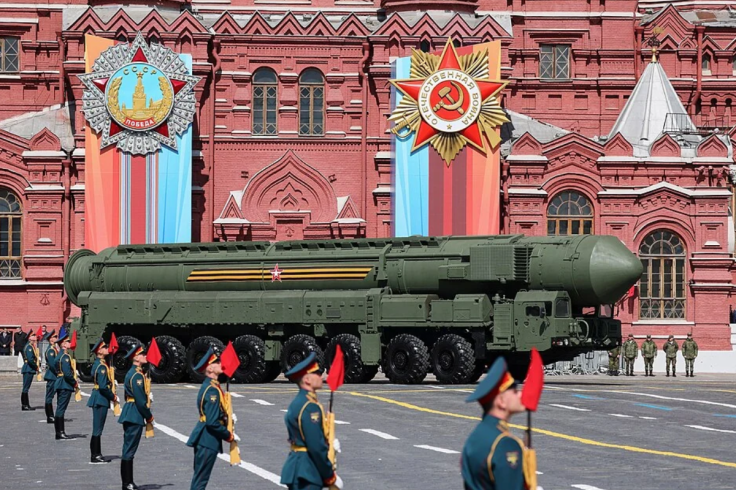
Germany is treating reports that Russia could launch a nuclear-capable satellite into orbit as a serious security concern, fearing such a move could threaten global satellite networks and mark a dangerous escalation in the militarisation of space. German officials have not confirmed the intelligence assessments but say the allegations are being taken seriously because of the potential consequences for NATO allies and critical infrastructure.
Concerns about Russia's alleged space ambitions have persisted for years. Western intelligence agencies have repeatedly warned that Moscow may be developing an anti-satellite system involving a nuclear detonation in space, potentially damaging or disabling large numbers of satellites rather than targeting locations on Earth.
Mounting Concerns Over Possible Nuclear Weapons in Space
German broadcasters NDR and WDR and newspaper Süddeutsche Zeitung reported that intelligence shared by Germany's foreign intelligence service, the BND, suggests Russia could launch a satellite known as Sputnik-S in the coming weeks. The satellite is reportedly intended to carry a nuclear warhead, although German authorities have not independently confirmed the claim.
If such a weapon were ever detonated in orbit, military experts warn it could damage or disable satellites used for communications, navigation, banking, weather forecasting and military operations. German officials have warned the disruption could extend far beyond Europe, affecting services that millions rely on every day.
German Chancellor Friedrich Merz said the reports were 'no less shocking' despite not being entirely new, adding they revealed the level of escalation Russia appeared prepared to pursue. A government spokesperson also said Berlin was taking the reports 'very seriously' while cautioning against creating unnecessary panic before the intelligence can be verified.
Speaking after a meeting with his Ukrainian counterpart, German Defence Minister Boris Pistorius said it was 'too early to speculate publicly', particularly because 'the nature of these nuclear weapons is not clear'.
'We are consulting internally and taking the measures that need to be taken,' he added.
Germany's Concerns Reflect Wider NATO Fears
NATO Secretary General Mark Rutte said the alliance continually assesses threats in space and would ensure it can defend all NATO territory, including against risks affecting the space domain.
Separately, NATO will send an AWACS surveillance aircraft to Poland after three Russian cruise missiles landed in the country. Meanwhile, Josef Aschbacher, head of the European Space Agency, told the German business newspaper Handelsblatt that nuclear weapons in space would be 'the ultimate nightmare scenario'.
Russia has firmly rejected the allegations. Kremlin spokesperson Dmitry Peskov dismissed the reports as based on unverified claims from unnamed sources. The Russian embassy in Berlin said it was not aware of the reported plans and rejected the allegations, adding that Russian space activities were conducted in line with international obligations and served exclusively peaceful purposes.
The reports have renewed attention to the 1967 Outer Space Treaty, which prohibits placing nuclear weapons or other weapons of mass destruction in Earth's orbit. If the allegations were confirmed, such a deployment would represent a significant breach of long-standing international agreements designed to prevent nuclear weapons from being stationed in space.
© Copyright IBTimes 2026. All rights reserved.