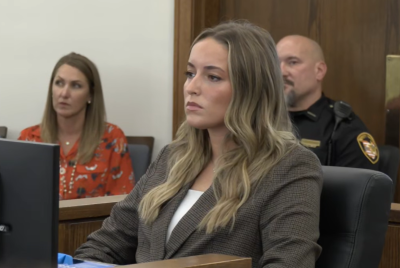
Waterbury Teacher Under Fire for Alleged Messages to Teen Student, Court Date Today
Philip Carl Hughes, a teacher from Waterbury, is accused of sending inappropriate messages to a student, sparking a broader conversation on digital safety in education.

When a trusted educator's reputation suddenly collides with serious legal accusations, the impact ripples far beyond the classroom.
Today, all eyes are on Philip Carl Hughes, a Waterbury Teacher accused of sending inappropriate messages to a 16‑year‑old student, as he faces his first court appearance.
The story has drawn attention not just locally, but internationally, because it taps into a broader conversation about digital boundaries and the safety of students in schools.
This case involves allegations of harmful communication that occurred both on personal devices and through school communication platforms, intensifying community concerns and heightening the urgency of how teachers interact with students in the digital age.
Who Is the Waterbury Teacher at the Center of the Case
The educator accused is Philip Carl Hughes, 42, of Southbury, Connecticut, who worked as a technology education teacher and assistant band director at a school in the Waterbury Public Schools district.
Police say the alleged inappropriate exchanges began during the winter break, after Hughes first contacted the student through the school's BAND app — a platform often used to communicate about extra‑curricular activities.

According to court records, the messages reportedly shifted from professional or friendly greetings to more personal language, prompting concern and alarm.
More serious allegations include messages in which Hughes allegedly referred to the teen as 'baby girl' and asked intimate questions about her outfits, according to the arrest warrant.
Hughes was placed on administrative leave on December 31, 2025, and later arrested on February 18, 2026. He posted a $50,000 (£37,000) bond and is scheduled to appear in Waterbury Superior Court today.
What Prompted the Investigation
The investigation reportedly began when the student's mother contacted Waterbury police late last year after noticing unusual messaging from Hughes to her daughter.
Once law enforcement examined the communications, they took over the case, and the Connecticut State Police Western District Major Crime Squad joined the probe.
Law enforcement officials say that besides messages sent through iMessage, digital records revealed communication over the BAND app, which the assistant band director was authorized to use.
Given the serious nature of the allegations, the legal charge Hughes faces is harmful communication with a minor, a Connecticut statute intended to address inappropriate or predatory digital interaction with people under 18.
How Waterbury Public Schools Responded
In a prepared statement after the arrest, Waterbury Public Schools Superintendent Darren Schwartz said the district took swift action once the allegations were reported.
The statement emphasized that Hughes was placed on immediate administrative leave as soon as officials learned of the situation and that the district continues to cooperate with law enforcement.
'The safety and well‑being of our students are of the utmost priority,' Schwartz said, adding that further details could not be shared due to the ongoing investigation and personnel matters.
School districts typically restrict comment on active legal matters to protect student privacy and ensure that investigations unfold without outside influence. This includes not naming the specific school where Hughes was employed.
What Happens When a Teacher Faces Court
Being a Waterbury Teacher due in court does not equate to guilt, but it does mark the beginning of formal legal proceedings. In today's court appearance, a judge will typically address procedural matters such as bond conditions and scheduling future hearings.
If the case moves forward, evidence will be presented by prosecutors and the defense, potentially leading to a trial.
Because the allegations involve a minor, parts of the case may be restricted from public release to protect the student's identity and privacy. This kind of adult‑minor case can take months to resolve in the US judicial system.
Why This Case Matters
Cases like this one reverberate beyond Waterbury because they highlight the evolving challenge of safeguarding students in an era of digital communication. They raise important questions about teacher conduct, oversight of school messaging platforms, and how policies can adapt to new technology.
For parents, educators, and communities worldwide, the case of a Waterbury Teacher accused of inappropriate text messages serves as both a cautionary tale and a prompt to reassess how boundaries are protected in schools.
© Copyright IBTimes 2026. All rights reserved.
- MOST POPULAR IN Crime