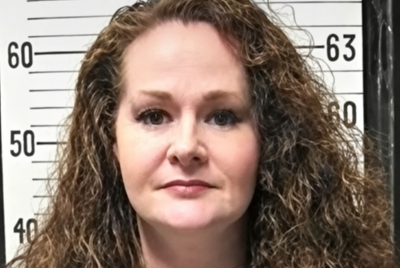
Who Is Paul Mackenzie? Inside the Doomsday Cult Horror as Kenyan Court Charges Him with 52 More Deaths
Mackenzie and seven others face charges of organised criminal activity

Paul Mackenzie, a Kenyan self-proclaimed preacher and doomsday cult leader, has been charged by a court in Kilifi County over 52 additional deaths discovered in the village of Kwa Binzaro. The charges come as part of an ongoing investigation into one of the largest cult-related disasters in recent history.
Mackenzie and seven other defendants pleaded not guilty, with the next hearing scheduled for 4 March. Prosecutors allege that the group promoted radical teachings and facilitated criminal acts that resulted in multiple fatalities.
Court Charges and Allegations
Kenya's public prosecutions office said in a statement on X that Paul Mackenzie and the other defendants face charges including organised criminal activity, two counts of radicalisation, and two counts of facilitating the commission of a terrorist act.
'The Cabinet Secretary for Interior and National Administration declares Good News International Ministries to be an organised criminal group for the purposes of the Act,' the statement reads.
Cabinet Secretary for @InteriorKE @KindikiKithure declares Paul Mackenzie's Good News International Ministries an organized criminal group. pic.twitter.com/U5t9yXT6Yz
— Ministry of Interior | Kenya (@InteriorKE) January 31, 2024
The allegations relate specifically to the deaths of at least 52 people at Kwa Binzaro, in Chakama, Kilifi County. Prosecutors said the defendants had promoted an extreme belief system that opposed government authority and facilitated acts that led to the deaths.
Mackenzie has remained in custody since his first trial in Mombasa, where he pleaded not guilty to multiple counts of manslaughter connected to the Shakahola Forest deaths. The new charges indicate that authorities believe he continued to direct harmful activities even after detention.
Background: Shakahola Forest and Previous Deaths
Investigations into Mackenzie and his Good News International Church began after bodies were exhumed from Shakahola Forest, located along Kenya's east coast. By 2025, more than 400 bodies had been recovered. Autopsies revealed that the majority of the victims had died of hunger, while others, including children, showed signs of strangulation, suffocation, or physical abuse.
Prosecutors allege that Mackenzie instructed followers to starve themselves and their children to death, claiming it would secure passage to heaven before the world ended. Families and local authorities had raised concerns about missing persons in the area, but the scale of the tragedy only became clear after the mass exhumations.
Recent Discoveries at Kwa Binzaro
The village of Kwa Binzaro, approximately 30 kilometres from Shakahola, yielded fresh evidence of the cult's activities. Investigators discovered additional shallow graves containing the bodies of dozens more victims. Forensic reports confirmed that the causes of death were consistent with starvation and violence, including strangulation and suffocation.
Prosecutors allege that Mackenzie and his followers recruited victims using radical teachings and continued to orchestrate deadly activities even after his detention in 2023. The new findings have intensified scrutiny of the authorities' handling of fringe religious groups and the effectiveness of previous interventions.
Government and Legal Response
The Kenyan government has called for stricter oversight of fringe denominations following the Shakahola and Kwa Binzaro deaths. Reports by the Senate of Kenya and a state-funded human rights commission suggest that authorities may have been able to prevent some of the fatalities.
Mackenzie and his co-defendants are currently in custody, and court proceedings are ongoing. The case has drawn both national and international attention due to its scale and the alleged methods used to manipulate victims.
© Copyright IBTimes 2026. All rights reserved.
- MOST POPULAR IN Crime