Wicked's Biggest Question Returns: Is The Glinda–Elphaba Love Story Real? Author Weighs In
Gregory Maguire explains why the story intentionally leaves Glinda and Elphaba's bond undefined.
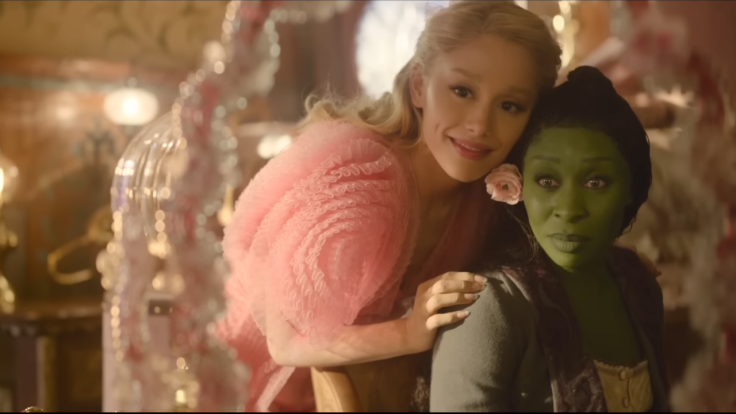
As the second instalment of the film series hits the big screen, Wicked's biggest question has returned with new force as viewers once again ask whether the Glinda–Elphaba love story is real. Now, the author behind the tale has gone on record to address the long-standing speculation.
Audiences leaving cinemas after watching the instalments of the two-part Wicked film have found themselves debating more than the plot's unanswered threads. Among the most persistent points of conversation is the tension between Glinda and Elphaba, and whether their relationship holds deeper meaning beyond friendship.
These discussions draw back to the roots of the story itself, long before the musical stage adaptation. When Gregory Maguire began writing the 1995 novel on which the production is based, he was interested in how wickedness forms and how people become entangled in wrongdoing. To explore this convincingly, he set the complexities of real life within the fictional landscape of Oz.
Maguire has explained that he wanted Oz to feel textured, layered and believable, shaped by political, religious and personal forces. He noted that sexuality had to be part of that fabric in order to make the world feel lived-in. This decision has continued to guide how readers and viewers interpret the two witches' relationship.
Authorial Intent And Narrative Space
A scene in the original book includes a kiss between Glinda and Elphaba, though it does not appear in the same form in the stage musical. As a result, audiences have, for years, returned to the question of whether the characters share romantic feelings. With the film bringing the story to a wider global audience, those conversations have surfaced once more.
Maguire has acknowledged that the tension was intentional, though presented with restraint. He has suggested that one character may have felt more than the other or perhaps simply refused to express it. He also noted that a novelist cannot write every moment, leaving room for personal interpretation.
This narrative openness is part of what has sustained interest in the relationship. Maguire has said he crafted the story to allow for multiple readings rather than fixed conclusions. He has said this was deliberate, encouraging readers to consider possibilities without asserting definitive answers.
Revisiting Wicked At Its Largest Scale Yet
The resurgence of the Glinda–Elphaba question coincides with the story reaching its broadest audience since its initial publication. Maguire has spent decades with this world, from watching the classic Wizard of Oz broadcast as a child to developing the novel in the 1990s. Since then, the story has moved from page to stage and now to major cinematic release.
Despite this long relationship, Maguire has indicated he may step back from discussing Wicked in detail in the future. He shared that he is either indefinitely or permanently nearing the end of public commentary on the topic. Even so, he has reaffirmed that all reworkings of the tale have come from a place of care for the material.
In conversation, Maguire spoke about his choices around the characters' sexuality and why he believes their dynamic should remain open to interpretation. He explained that complexity was essential when constructing Oz as a credible world. He felt that excluding aspects of human experience would create an incomplete picture.
By choosing not to impose rigid conclusions, he has allowed the story to adapt to different eras and audiences. The discussion has therefore remained alive with each new retelling.
As Wicked continues its journey through its recent second release, the question about Glinda and Elphaba's connection is expected to persist. The narrative's structure and Maguire's approach encourage renewed examination. The answer, as intended, remains one readers and viewers must interpret for themselves.
© Copyright IBTimes 2026. All rights reserved.
- MOST POPULAR IN Entertainment