

Alaska 'Turkey Bomber' Drops 42 Frozen Birds From Plane Window to Snowbound Off-Grid Families in Remote Cabins
The volunteers have been delivering Thanksgiving turkeys since 2022
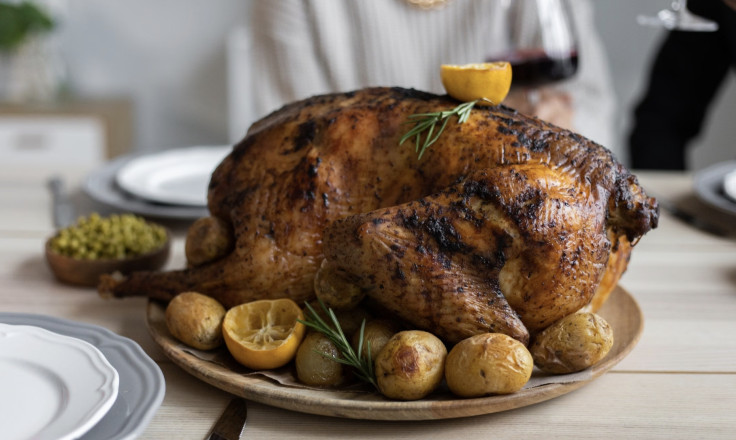
Alaska's Thanksgiving tradition of dropping frozen turkeys from the sky has returned, with two volunteers delivering 42 birds to families living in remote cabins across the West-Susitna region.
Esther Keim and Heidi Hastings completed their latest aerial delivery, continuing a charitable operation launched in 2022 to bring holiday meals to households with limited access to shops and roads.
The spectacle has revived comparisons with the infamous turkey-drop episode of 'WKRP in Cincinnati', but the real-life operation is carefully planned. Frozen birds are packaged in protective sacks and dropped near isolated homes, turning an unconventional delivery method into a much-needed Thanksgiving gesture.
Alaska Turkey Bombers Deliver 42 Birds Across Wilderness
Keim and Hastings have been delivering Thanksgiving turkeys since 2022, reaching families around Alexander Creek, Finger Lake, the foothills of Denali, the Talkeetna River, the Susitna River and the Yentna River. Their latest campaign involved 42 birds, with Hastings flying the aircraft while Keim handled the drops.
'We dropped a total of 42 turkeys this season, so we went from Alexander Creek area all the way up to Finger Lake, to foothills of Denali, Talkeetna River, the big Susitna River, Yentna River and everywhere in between,' Keim said.
The initiative was inspired by a childhood family friend, Kenny Hughes, who previously delivered turkeys and Christmas toys to remote residents. Keim revived the tradition after visiting Skwentna in 2022 and hearing about the difficulties families faced getting food and supplies through the winter.
The area has no road connections, conventional electricity grid or grocery stores, leaving residents dependent on aircraft, riverboats and snowmachines to reach supplies.
How Frozen Turkeys Survive a 100-Foot Drop
The most frequently asked question surrounding the viral deliveries is how a turkey survives falling from a moving plane.
The birds are frozen solid and packed into volunteer-sewn gunny sacks, secured with bright yellow tape so recipients can spot them against snow. The aircraft typically flies between 75 and 100 feet (approximately 23–30 metres) above the ground, with the volunteers aiming for open areas, including swamps and frozen lakes.
Soft snow and suitable landing surfaces can absorb some of the force. However, being frozen does not make a turkey immune to damage, and the success of a drop depends on the landing conditions.
One recipient briefly struggled to locate their bird after it landed in a patch of alders. Keim said lakes and swamps are often preferred because they provide more visible landing areas.
WKRP Comparisons and the Community Spirit Behind the Drops
The deliveries inevitably bring back memories of the 1978 sitcom WKRP in Cincinnati and its Thanksgiving episode, 'Turkeys Away', in which a fictional publicity stunt involving live turkeys dropped from a helicopter ended disastrously. Its famous line, 'As God is my witness, I thought turkeys could fly', remains a television classic.
Alaska's operation, however, is about helping isolated households. The bags often contain sweets, coffee and other treats, with the initiative entirely funded through donations and volunteers.
Keim and Hastings have also attempted Christmas deliveries involving hams, toys and handmade quilts, although fog, snow and icing can disrupt winter flights.
The Turkey Bomb is more than a viral spectacle: it is a creative way of bringing holiday generosity to families who might otherwise struggle to celebrate.
© Copyright IBTimes 2026. All rights reserved.