

Andy Burnham Rules Out Wealth Tax as First Major Economic Priority Under Labour
Incoming PM Andy Burnham prioritises economic stability over wealth tax debates.
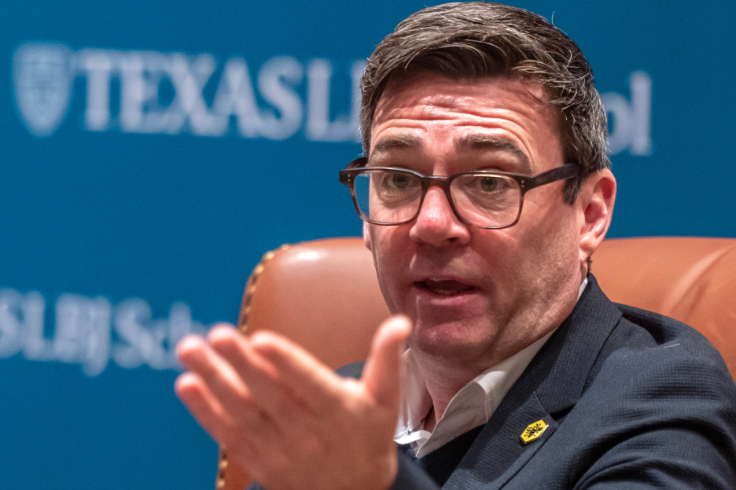
Incoming Prime Minister Andy Burnham has signalled that a wealth tax will not be among the first major economic measures pursued by his government, offering the clearest indication yet of the direction Labour intends to take as it prepares to enter a new political chapter.
Speaking before formally taking office, Burnham said he did not want to create 'new divisions' and suggested that debates over taxing wealth were not an immediate priority despite growing pressure from some within Labour to consider the measure. His comments have been widely interpreted as an attempt to reassure businesses, investors, and middle-income voters that his government will pursue a pragmatic economic strategy rather than a radical fiscal overhaul.
The remarks come as Burnham prepares to inherit a challenging economic landscape marked by sluggish growth, strained public finances, and rising demands for investment in housing, public services, and infrastructure.
Early Signal of Burnham's Economic Approach
Although Burnham stopped short of permanently ruling out a wealth tax, he made clear that any such debate would not define the opening phase of his premiership.
Instead, he indicated that his immediate focus would be on improving living standards, addressing the cost-of-living pressures facing households, and restoring confidence in the economy. Burnham has repeatedly pledged to maintain Labour's commitments not to increase the headline rates of income tax, VAT, or national insurance.
The position represents one of the first major policy signals from the incoming prime minister and suggests that economic stability will take precedence over more controversial tax reforms.
Many investors welcomed the comments, viewing them as evidence that the new administration intends to maintain fiscal discipline while avoiding policies that could unsettle financial markets.
Pressure From Labour's Left Wing
Burnham's stance is likely to disappoint some figures within Labour who have argued that taxes on wealth or higher capital gains taxes could help fund investment in public services and infrastructure.
Supporters of a wealth tax contend that those with the largest assets should contribute more toward addressing fiscal pressures and reducing inequality. Several Labour politicians have previously suggested that asset-based taxation deserves consideration as governments search for additional revenue sources.
However, Treasury officials and some economists have expressed doubts about how much revenue a wealth tax would generate in practice and whether it could be implemented effectively without unintended consequences.
Burnham appears determined to avoid allowing that debate to dominate the start of his government.
Balancing Fairness and Growth
Despite shelving the issue for now, Burnham has continued to emphasise the importance of fairness within the tax system.
He has suggested that the UK taxes work more heavily on some forms of wealth and assets, while also acknowledging that difficult fiscal decisions may lie ahead. At the same time, he has argued that any future changes must support economic growth rather than create uncertainty.
The approach reflects a broader balancing act facing the incoming government: finding ways to fund public spending commitments while maintaining investor confidence and avoiding political divisions.
Burnham's Next Moves
Burnham's decision to take a wealth tax off the immediate agenda provides one of the strongest clues yet about the priorities of his administration.
Rather than pursuing eye-catching tax reforms, the incoming prime minister appears focused on presenting Labour as a government of stability, economic competence and gradual change. Whether that approach satisfies voters demanding faster action on inequality remains to be seen, but it has already established the tone of Burnham's opening weeks in power.
© Copyright IBTimes 2026. All rights reserved.