

Why Thomas Tuchel's Biggest Decision May Have Cost England a Place in the World Cup Final
Tuchel's defensive switch criticised after England fall short in World Cup semi-final.
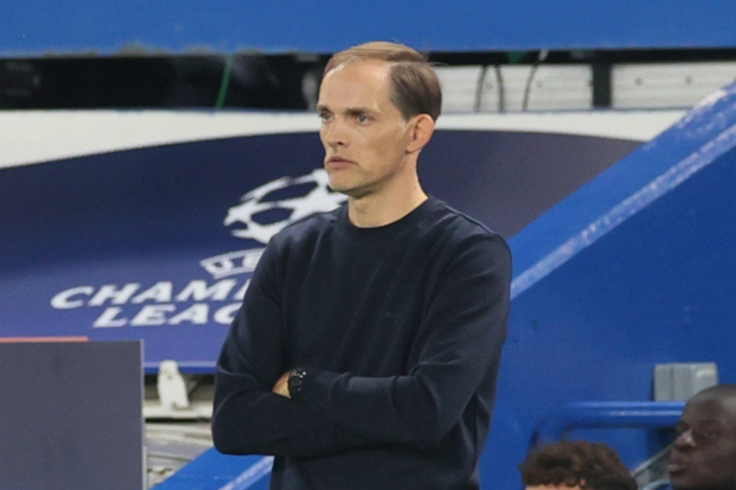
England were less than 20 minutes away from reaching their first men's World Cup final since 1966. Anthony Gordon's second-half goal had put Thomas Tuchel's side on course for a famous victory over Argentina, and The Three Lions' dreams of a final suddenly felt within touching distance.
Then the momentum shifted.
Rather than pushing for a second goal, Tuchel opted to protect England's narrow lead by reshaping his team into a more defensive setup. The decision immediately changed the rhythm of the semi-final, allowing Argentina to dominate possession before Enzo Fernández equalised in the 85th minute and Lautaro Martínez completed a dramatic late turnaround in stoppage time. For many supporters and pundits, the tactical switch became the defining moment of England's World Cup exit.
The Substitution That Changed The Match
England had frustrated Argentina for much of the contest by staying compact defensively while remaining dangerous on the counter-attack. Gordon's pace repeatedly stretched Argentina's back line, forcing the South American side to think twice before committing too many players forward.
After taking the lead, however, Tuchel replaced Gordon with defender Ezri Konsa and switched to a back five. The move was intended to strengthen England defensively and help absorb Argentina's increasing pressure, similar to a tactical adjustment that had worked earlier in the tournament.
This time, though, the gamble produced the opposite effect.
Without Gordon providing an outlet on the break, England struggled to move the ball upfield. Every clearance came straight back, allowing Argentina to push higher, dominate territory and spend long periods attacking around England's penalty area.
Why Argentina Took Control
The tactical adjustment gradually changed the balance of the game.
With England sitting deeper, Argentina no longer had to worry about the space behind their defence. Their full-backs advanced higher, midfielders controlled possession and Lionel Messi was able to dictate the tempo from more advanced positions.
Instead of chasing the game cautiously, Argentina committed numbers forward knowing England posed far less threat on the counter-attack.
The pressure steadily increased.
Alexis Mac Allister struck the post, Jordan Pickford produced several important saves and England found themselves defending almost continuously during the closing stages. The equaliser finally arrived when Fernández fired home from distance before Messi created the winning goal with another decisive delivery that Martínez converted with a late header.
Tuchel Admitted England Became Too Passive
After the match, Tuchel accepted that England had become too passive after taking the lead.
The England manager defended his tactical change, explaining that Argentina's aerial threat and attacking pressure influenced his decision to reinforce the defence. However, he also acknowledged that his team struggled to regain possession once they retreated deeper.
Captain Harry Kane reached a similar conclusion, admitting England failed to keep hold of the ball during the final stages and allowed Argentina to dictate the game.
Why Fans Are Questioning The Decision
Much of the post-match discussion centred on Tuchel's tactical approach rather than England's overall performance.
Supporters on social media and football forums argued England abandoned the aggressive style that had carried them through the tournament, choosing to defend a one-goal advantage against one of the world's strongest attacking sides. Many pointed to Gordon's substitution as the moment England lost both their attacking outlet and their ability to relieve sustained pressure.
Former players and commentators echoed similar concerns, suggesting the defensive switch handed the initiative to Argentina at precisely the moment England needed to remain proactive. While no single substitution guarantees a result, the tactical change became the defining talking point because it coincided with a dramatic shift in momentum.
Whether Tuchel's decision was ultimately the right one will remain open to debate. What is difficult to dispute is the timing. England were within touching distance of a place in the World Cup final before the tactical adjustment altered the flow of the match, and for many supporters, that was the moment their World Cup dream began to unravel.
© Copyright IBTimes 2026. All rights reserved.