

UK Extends £100,000 Political Donation Cap to Recent Returnees
The rules prevent donors re-establishing residence to bypass limits, building on previous measures on overseas donations and cryptocurrencies
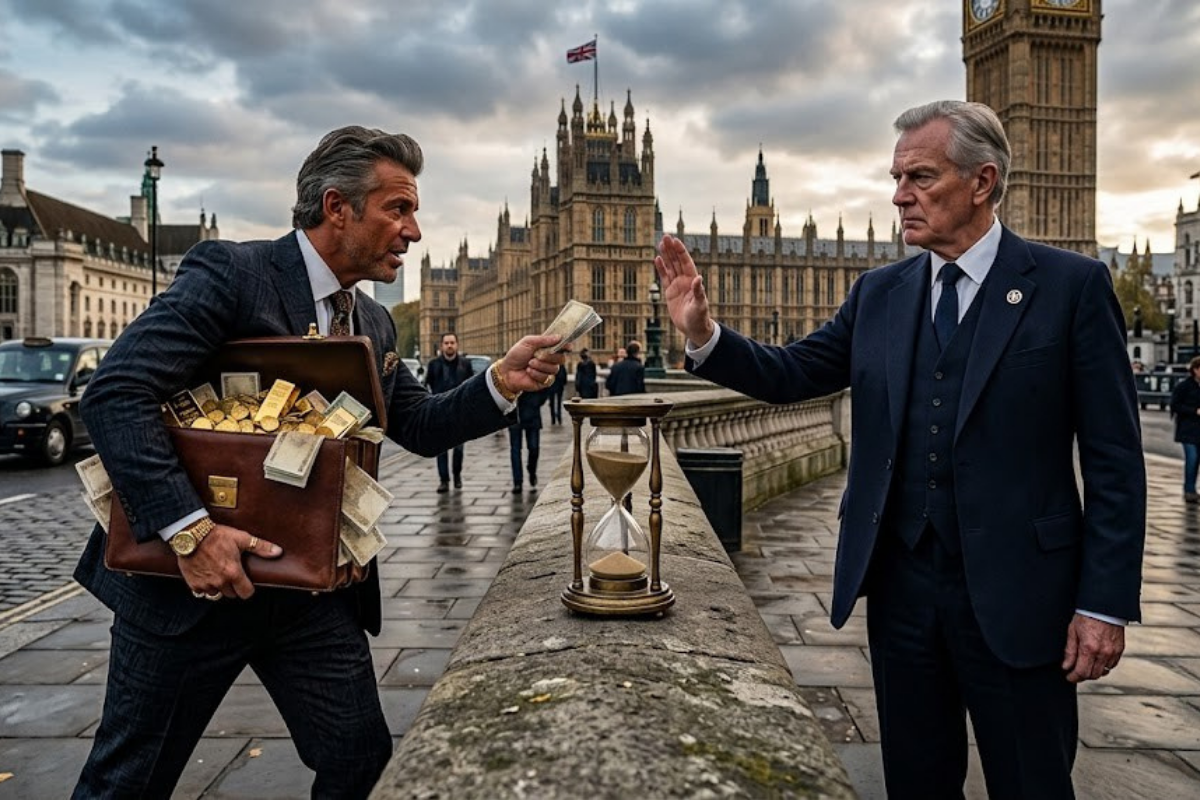
Wealthy donors who move to the UK from abroad will have to wait a full calendar year before they can give more than £100,000 ($133,510) to a political party or candidate, under reforms the government set out on 6 July.
Until now, the £100,000 ceiling applied only to donors registered to vote from overseas. The new timebound cap extends it to anyone who has recently arrived in the country, setting a minimum period a person must be permanently based in the UK before giving above the threshold.
The Ministry of Housing, Communities and Local Government said the change is meant to stop the rules being sidestepped by donors who re-establish residence shortly before making a large contribution. It forms part of the government's full response to the independent review by Philip Rycroft into foreign financial influence in British politics.
The package builds on measures announced in March, which brought in the original cap on donations from overseas electors and a moratorium on cryptocurrency donations. Ministers said they have now accepted the remainder of Rycroft's recommendations.
The reforms will be carried through as amendments to the Representation of the People Bill, which returns to the House of Commons for its report stage in the week beginning 13 July.
What the Donation Cap Means for Company Money
Businesses face stricter checks. Political donations will be assessed against a company's post-tax profits over the previous five years, rather than its revenue alone. Ministers said the shift is designed to ensure only firms with genuine, taxed activity in the UK can donate, since a company can record high revenue while paying little or no tax in the country.
Corporate donors will also have to show a real connection to the UK or Ireland, proving they are headquartered in the UK, or majority owned or controlled by UK electors or citizens.
Candidates take on new obligations too. For the first time, they must prove that any campaign funding received before they formally became a candidate came from legitimate sources. Donations above £2,230 ($2,980) received before that point will have to be declared.
'British democracy is not for sale,' said Steve Reed, the Secretary of State for Housing, Communities and Local Government. He said the measures would 'shut down dodgy funding' and stop foreign money influencing elections, adding that the rules had to keep pace with new and emerging threats.
What the Donation Cap Means for Reform UK
The one-year wait stands to affect some of Reform UK's largest backers. Nigel Farage's party has leaned on a small number of wealthy donors, several of them based overseas.
Christopher Harborne, a crypto entrepreneur who has lived in Thailand for more than two decades, has given Reform around £15M ($20M) since 2025 and recently registered to vote in Hampshire.
Ben Delo, another crypto investor, donated £4M ($5.3M) and has signalled a move back to the UK from Hong Kong. Together the pair have contributed roughly £19M ($25M). Under the new rule, both would stay bound by the £100,000 cap for a year after settling in Britain.
The bill was drafted partly over concern that overseas figures could route money into UK politics through British-registered subsidiaries, after reports in late 2024 that Elon Musk had discussed a large donation to Reform. As a US citizen, Musk is barred from donating personally.
Campaigners want the government to go further. The Electoral Reform Society and Transparency International UK have called for a £100,000 cap on all donations, whether from UK-based or overseas donors, and are backing an amendment to the bill expected from Labour MP Stella Creasy.
In the year before the 2024 general election, the Electoral Reform Society found, parties accepted 18 donations of £1M ($1.34M) or more, worth almost £41M ($55M), with nearly a third of all donations coming from just nine sources.
The government has not adopted a blanket cap. Its stated focus is where political money comes from, rather than how much of it any one donor can give.
© Copyright IBTimes 2026. All rights reserved.