

Labour's New Leader: How Andy Burnham Secured a Landslide Victory to Replace Keir Starmer
Burnham's overwhelming support from Labour MPs marks a swift transition to national leadership.
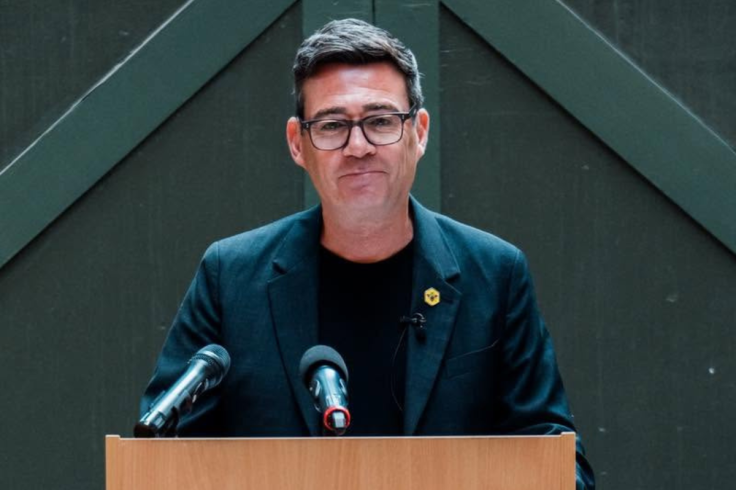
Andy Burnham has secured a decisive victory in the Labour leadership race, paving the way for the former Greater Manchester mayor to replace Keir Starmer and become the United Kingdom's next prime minister.
The leadership contest effectively ended on 13 July after Burnham secured overwhelming backing from Labour MPs, making it impossible for any rival candidate to gather enough nominations to mount a serious challenge. Burnham received support from 349 Labour MPs, comfortably surpassing the threshold required to enter the race and establishing himself as the clear successor to Starmer.
The result marks a dramatic return to frontline national politics for Burnham, who spent the past nine years serving as Mayor of Greater Manchester before returning to Westminster as MP for Makerfield in June.
Leadership Race Ends Before It Began
Burnham entered the contest as the overwhelming favourite following Keir Starmer's decision to step down after less than two years as prime minister.
Potential challengers quickly fell away. Former Health Secretary Wes Streeting publicly backed Burnham, while several other senior Labour figures declined to stand. As support consolidated around the former mayor, the leadership race rapidly transformed from a competitive contest into an effective coronation.
Labour is expected to formally confirm Burnham as leader at a special party conference on 17 July. He is then expected to become prime minister on 20 July, completing one of the fastest leadership transitions in the party's modern history.
The scale of support behind Burnham reflects a growing belief among Labour MPs that he is best positioned to unite the party and restore confidence after a turbulent period in government.
Why Burnham Won
Burnham's victory is rooted in both his long political career and his record in Greater Manchester.
Supporters credit him with championing regional devolution, improving public transport, and advocating for greater investment outside London. During his time as mayor, he became one of the country's most recognisable regional leaders, frequently challenging the central government and arguing for stronger local powers.
His political message has focused on reducing regional inequality and rebuilding trust among voters who feel disconnected from Westminster politics.
The 56-year-old also brings extensive government experience. Before becoming mayor in 2017, he served in several Cabinet positions under former Prime Minister Gordon Brown, including Health Secretary, Culture Secretary, and Chief Secretary to the Treasury.
That combination of national experience and local leadership helped him attract support from across different wings of the Labour Party.
Challenges Ahead
Burnham will inherit a lengthy list of challenges once he enters Downing Street.
The UK continues to face sluggish economic growth, pressure on public services, housing shortages, and ongoing concerns about the cost of living. Burnham has pledged to focus on regional investment while maintaining Labour's existing fiscal framework.
Foreign policy is expected to remain broadly consistent, with Burnham reaffirming support for NATO, Ukraine, and Britain's existing security commitments.
His supporters view his landslide victory as an opportunity to reset Labour's agenda and strengthen the party's connection with voters. Critics, however, question whether strong support within Parliament will translate into broader public enthusiasm.
Regardless of those debates, Burnham's ascent represents a significant moment in British politics. After years of speculation about a return to national leadership, the former mayor now stands on the brink of the country's highest office, tasked with leading both Labour and the nation through a challenging political and economic period.
© Copyright IBTimes 2026. All rights reserved.