

'There Will Be No Patience for Bad Recruits' as Republicans Plan 2028 Senate Campaigns After Losses
The incoming NRSC chair will oversee recruitment and fundraising as Republicans defend vulnerable seats and seek gains in key battleground states
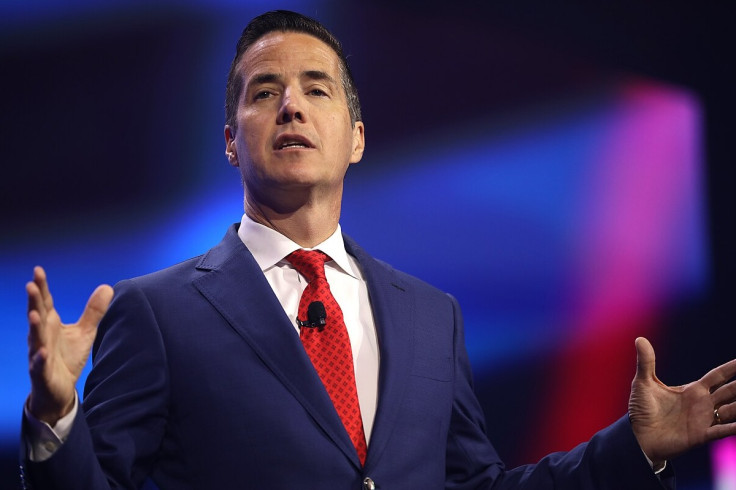
Senator Bernie Moreno has warned that Republicans face 'absolutely a savagely brutal map' in their 2028 Senate campaigns after losing control of the chamber in the 3 November midterms.
The Ohio Republican made the assessment during a Capitol Hill interview with Politico, published on Wednesday, 18 November.
The task became clearer after Democrat Mary Peltola defeated Republican incumbent Dan Sullivan in Alaska.
The race, called on 17 November, gave Democrats and two independents who caucus with them a 56–44 majority in the next Senate. Republicans had entered the midterms controlling 53 seats.
Republicans Must Defend 19 Senate Seats in 2028
Moreno is taking over the National Republican Senatorial Committee (NRSC), which recruits candidates and raises funds for Senate races. His party is expected to defend 19 seats in 2028, compared with 16 held by Democrats.
Eighteen Republican seats face regularly scheduled elections. The nineteenth is an anticipated special election in Tennessee, where Republican Senator Marsha Blackburn was elected governor on 3 November.
Once she becomes governor, Blackburn is expected to appoint a Republican successor to serve until that vote.
Starting with 44 seats, Republicans would need a net gain of six to draw level at 50–50, or seven for a 51-seat majority, assuming no other changes. Which party controls a tied chamber would depend on the 2028 vice-presidential result, because the vice-president can cast deciding votes.
Republicans have possible targets in Arizona, Pennsylvania, Georgia and Nevada, where Democratic Senators Mark Kelly, John Fetterman, Raphael Warnock and Catherine Cortez Masto face voters. Ohio's Sherrod Brown must also seek a full term after winning a special election this month, two years after Moreno defeated him for the state's other Senate seat.
But the party cannot focus solely on Democratic incumbents. Republican Senators Ron Johnson in Wisconsin and Ted Budd in North Carolina hold seats that Democrats could contest aggressively. Each competitive defence would compete for funding with Republican efforts to make gains elsewhere.
Recruitment and Fundraising Put Moreno's Strategy to the Test
The first challenge is identifying nominees who can survive Republican primaries without alienating the wider electorate. Picking candidates with limited fundraising appeal or weaknesses in closely divided states could force the NRSC to redirect resources from better opportunities.
According to Politico, Moreno's team has interviewed several people for the NRSC executive director role. Chris Grant, who worked on Moreno's and President Donald Trump's campaigns, is expected to serve as a leading outside consultant.
Those staffing choices could shape how the committee recruits nominees and directs campaign spending.
Axios reported on 12 November that Moreno was also assembling an advisory team including Republican strategists Ward Baker, Jason Thielman and Scott Jennings. The group is intended to review the 2026 defeat, rebuild donor confidence and plan the next election cycle.
Moreno has avoided directly blaming Trump or Vice-President JD Vance for the losses. Before the election, he suggested public anger over high fuel prices could hurt Republicans, Politico reported.
The 2028 presidential race could bring different voters to the polls, and Vance may seek his party's nomination.
For Moreno, however, a national campaign offers no substitute for selecting credible Senate candidates and defending vulnerable seats.
© Copyright IBTimes 2026. All rights reserved.