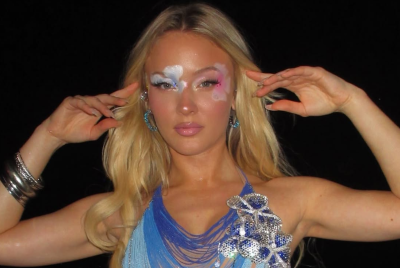
BLACKPINK's Rosé Reveals Painful Truth: K-Pop Culture Traps Idols and Shapes the Group's Future
Rosé calls out fame's limitations on dating and relationships and affirms BLACKPINK's bond and shared choices

BLACKPINK's Rosé has issued one of her most revealing statements about life as a K-Pop idol, saying the intense scrutiny of fame has 'trapped' performers in a world where even simple truths about relationships are weighed down with fear and judgement.
The 28-year-old Grammy-nominated singer explained that K-Pop culture often prevents idols from living as ordinary people, especially when it comes to dating and personal authenticity, saying the pressure to maintain an idealised image weighs heavily on her and others in the industry. In a candid interview, Rosé stressed that despite her status, she still wants the chance to experience real relationships and normalcy, underscoring the human cost of constant public analysis.
Her honesty also touched on the future of BLACKPINK, the globally renowned girl group she shares with Lisa, Jisoo and Jennie as, the quartet balances collective success with individual growth, a dynamic that could shape their path forward, E! Online noted.
Confessing the Pressure: 'We're Human Too'
Rosé's heartfelt remarks came during a lengthy appearance on a popular podcast, where a simple question about her romantic life sparked deep emotion. She described how even truthful responses can spiral into invasive narratives online, emphasising that idols are still people with private lives.
The singer said that despite being thrust into the global spotlight, the desire to experience love and relationships like anyone else hasn't faded. This admission that she wants 'to be human' beyond her celebrity stature touches on a key tension within K-Pop culture, where idols' relationships are often considered public property rather than personal matters, as per Bandwagon.
'I would love to just be like, 'Yes or no', [instead of] being like, 'Is this going to define who I am?' How sad,' Rosé told Alex Cooper during the latest episode of 'Call Me Daddy' podcast. 'How sad of a reality is that?'
'Just because I was from a K-pop group doesn't mean I am a different type of human being,' the 'APT' singer tearfully added, Billboard quoted.
Rosé also revealed humourous but telling antics from her past, explaining she once donned an elderly disguise just to visit a boyfriend without being recognised, a vivid example of the lengths idols take to protect their privacy.
K-Pop Culture: Image Over Individual
The intense focus on perfection and control in K-Pop can make even the idea of dating controversial. Fans often idolise stars not just for their music but for a crafted persona that can't allow the messy reality of personal relationships. Rosé's comments lay bare how this affects mental health and personal freedom.
She also reflected on past relationships through her music, including themes of toxicity and growth, showing a willingness to engage with emotional complexity rather than maintain an untouchable image. Rosé laughed about youthful missteps, acknowledging that some relationships were not healthy yet formative and shaped her views on what she truly deserves.
By sharing these experiences, she challenges a culture that often expects idols to be flawless symbols rather than evolving individuals. This narrative strikes at the heart of why many fans react strongly when idols deviate from crafted images: it disrupts a fantasy ideal.
Still Sisters: The BLACKPINK Dynamic
Even amidst this introspection, Rosé underscored the strong bond she shares with her BLACKPINK bandmates. She described their relationship as akin to sisters: a mix of deep friendship, shared history and mutual support.
The group's small four-member structure means decisions about their future are made collectively. Rosé said that if one member feels it is 'not the right thing' to continue at any given time, they all respect that choice, a philosophy rooted in trust and individual well-being, Just Jared reported.
This approach reflects both the unity and the tension of navigating global fame together while pursuing personal growth. Rosé pointed to their recent hiatus as a necessary period that allowed each member to explore identity outside of the group, helping them return with renewed perspective.
Looking Ahead: Freedom, Identity and Creativity
Rosé's candour opens a broader conversation about how K-Pop idols navigate fame, privacy and personal freedom. By publicly asserting that stars are 'human too', she invites fans and the industry to reconsider how much control and space young artists should have.
As BLACKPINK continues to evolve balancing group milestones with solo creativity, Rosé's voice may well inspire a shift in how idols' personal lives intersect with fan expectations, reshaping the narrative around identity and authenticity in the modern music landscape.
© Copyright IBTimes 2026. All rights reserved.
- MOST POPULAR IN Entertainment