8 Photos of Alana Anisio Rosa: Gym Reject 'Stabs Her 50 Times' as Chilling TikTok 'If She Says No' Trend Explodes
The disturbing link between a viral TikTok trend and a violent attack on a young woman in Brazil

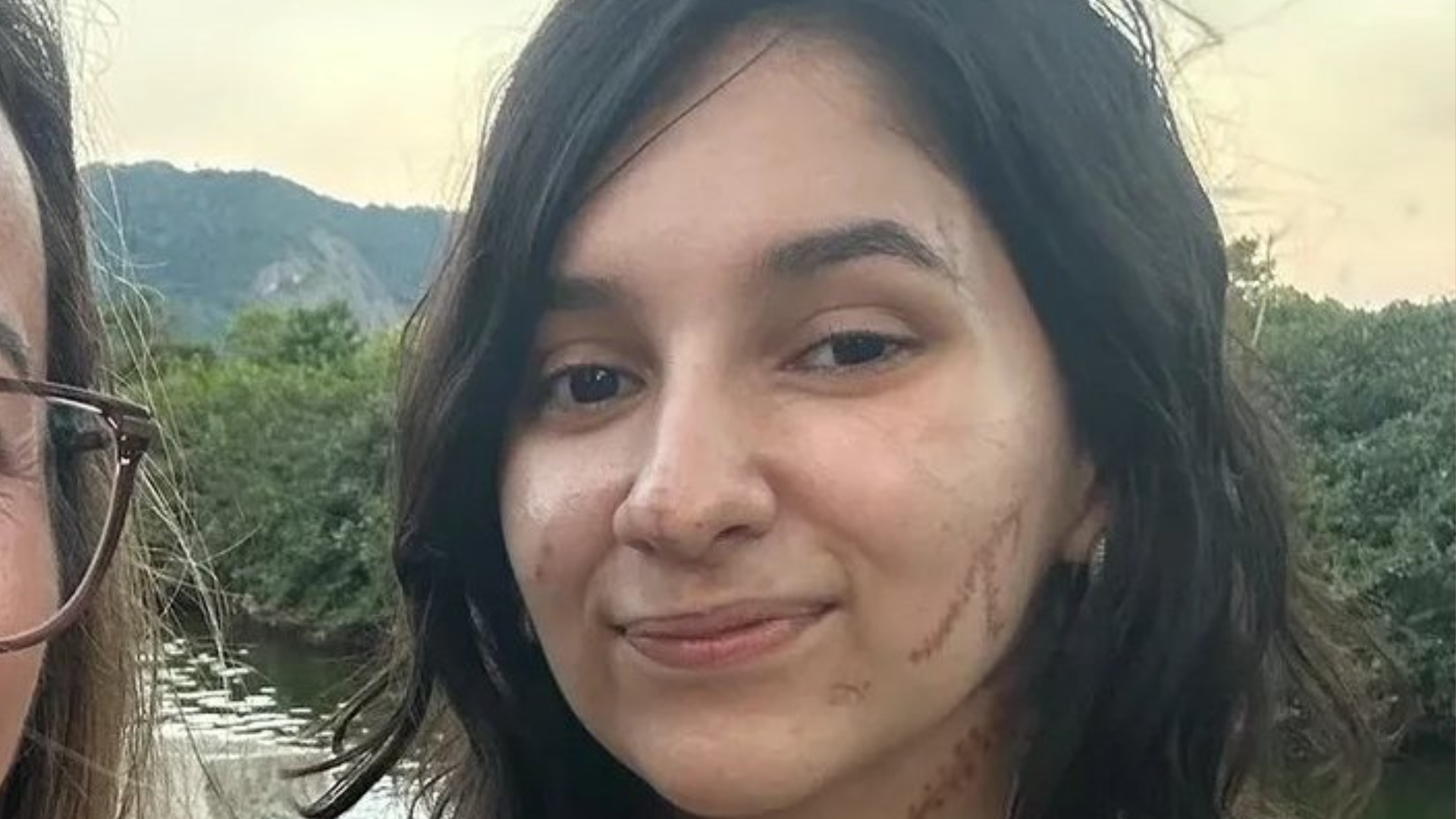
A shocking knife attack that left a young woman fighting for her life has sent waves of fear across Brazil, with disturbing links emerging between the violence and a viral social media trend. The brutal assault on 20-year-old Alana Anisio Rosa has not only horrified the nation but also ignited urgent questions about how online content may be fuelling real-world attacks on women.
Rosa had politely declined advances from a man at her gym who had been persistently sending her flowers and chocolates. According to reports, the man later forced his way into her home in São Gonçalo and carried out a frenzied stabbing, striking her around 50 times with a pocket knife.
The Brutal Attack
Her mother, Jaderluce Anisio de Oliveira, returned home early and was confronted with a scene she described as horrific. She said, 'He just kept stabbing her, over and over again. I pulled him off her. My entire living room was covered in blood.'
Rosa was rushed to hospital, placed in an induced coma, and underwent multiple surgeries. In the weeks that followed, she slowly recovered, but the psychological and emotional scars remain profound.






Viral TikTok Trend
As the case gained attention, an unsettling online trend began to surface. Videos circulating on TikTok showed men simulating violent reactions to rejection, often using mannequins and staging mock attacks with captions such as 'training in case she says no.'
The trend quickly went viral around International Women's Day, drawing widespread criticism and concern. Authorities in Brazil opened investigations into the content, warning that such videos could encourage real acts of violence.
Officials requested platforms to remove the material and preserve user data linked to the accounts. While some content has been taken down, similar videos continue to appear, raising questions about moderation and accountability.
Rosa's mother believes her daughter's attacker had engaged with this type of content online, intensifying fears that digital trends may be influencing behaviour in dangerous ways.
Experts Warn of Rising Online Radicalisation
The attack has brought renewed focus to the rise of misogynistic content linked to so-called 'Red Pill' culture, a growing online movement that critics say promotes male dominance and hostility towards women.
Experts warn that exposure to such content can lead to a gradual process of radicalisation. Professor Daniel Cara from the University of São Paulo said the ideology 'legitimises and encourages' violence against women.
Police cybercrime chief Flavio Rolim explained that the process often begins with subtle messaging that frames women as adversaries. Over time, some individuals are drawn into more extreme communities where violent content is normalised.
Studies reveal the scale of the issue. Research from the Federal University of Rio de Janeiro found that over 120 online channels promoting misogynistic narratives had amassed more than 23 million subscribers. Authorities say such environments can lead to the dehumanisation of women, making violence seem acceptable to some users.
Brazil's Crisis Over Violence Against Women
The case has also highlighted a broader crisis in Brazil, where gender-based violence remains alarmingly high. Official figures show that 1,568 women were killed in 2025 alone, marking the highest number since femicide laws were introduced.
President Luiz Inácio Lula da Silva recently warned that 'men are becoming increasingly inhuman and violent,' while officials have linked the surge in part to the spread of online hate.
Lawmakers are now pushing for stronger measures. Proposed legislation aims to criminalise content that promotes violence against women, while another bill seeks to classify misogyny as a crime similar to racism.
Despite differing opinions, with some commentators arguing that such movements are misunderstood, the connection between online rhetoric and real-world harm is becoming harder to ignore.
© Copyright IBTimes 2026. All rights reserved.
- Recommended For You